

Security is one of the most vital components of a safe, functioning society. Whether it’s protecting private property, public spaces, or people, security guards serve as the first line of defense. But not all security guards perform the same duties or serve the same type of client. There are several different kinds of guards, each with unique responsibilities and skillsets depending on their work environment.
In this blog, we’ll explore 4 types of security guards and explain why each is essential for maintaining safety in a wide range of settings. Understanding the differences between these roles helps individuals and businesses make informed decisions about what kind of security is best suited to their needs.

Unarmed Security Guards
Who they are:
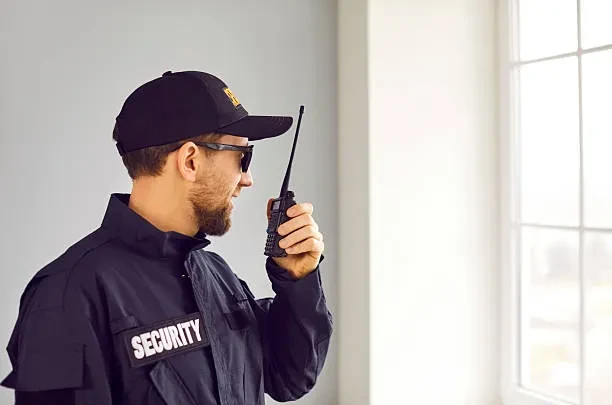
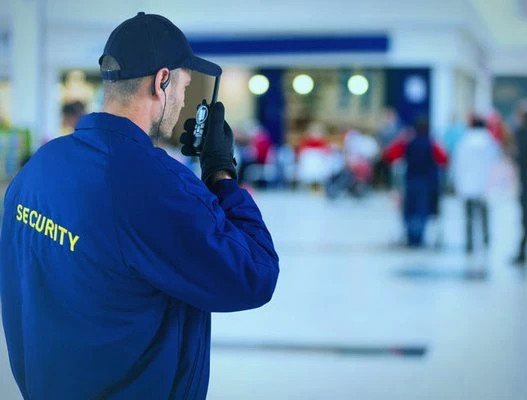
Unarmed security guards are the most commonly deployed type of guard. They are hired to monitor areas, patrol facilities, enforce rules, and report suspicious activities. As the name suggests, they don’t carry firearms but may have non-lethal tools like batons, pepper spray, radios, or flashlights.
Why they’re essential:
Unarmed guards are ideal for locations where the threat level is low to moderate—like schools, residential complexes, retail stores, or office buildings. Their role is preventative. By simply being present, they deter criminal behavior and assist in managing crowd behavior, handling customer inquiries, and documenting incidents. They are essential for providing peace of mind without escalating tension with the presence of weapons.
Armed Security Guards
Who they are:
Armed guards carry firearms and have advanced training in weapons handling, legal use-of-force, and emergency response. They are often former military or law enforcement personnel and are employed in high-risk environments such as banks, government buildings, or high-value asset transport operations.
Why they’re essential:
In areas where the risk of violent crime or theft is higher, armed security guards offer a necessary level of deterrence and protection. Their presence alone can stop threats before they begin. Armed guards are trained to react swiftly in high-pressure situations, providing critical defense during active threats. They are essential for safeguarding high-risk, high-value, or high-profile environments.
Mobile Patrol Security Guards
Who they are:
Mobile patrol guards are responsible for patrolling large areas using vehicles, bikes, or on foot. Unlike stationary guards, they cover more ground and are frequently used in industrial areas, campuses, gated communities, and construction sites.
Why they’re essential:
These guards offer flexible, roving security that can detect and respond to incidents across larger properties. They’re essential in preventing theft, vandalism, and trespassing, especially in off-hours or remote areas. Mobile patrols often perform spot checks, lock/unlock services, and ensure perimeter security. Their mobility allows for rapid response and visible deterrence over a wide area.
Event Security Guards
Who they are:
Event security guards are specially trained to manage large gatherings such as concerts, sports events, festivals, corporate functions, and political rallies. They handle access control, crowd management, emergency response, and VIP protection.
Why they’re essential:
Large events often draw thousands of people, making them susceptible to everything from minor disturbances to serious emergencies. Event security guards are crucial for ensuring public safety, preventing stampedes or fights, and maintaining a controlled, peaceful environment. Their training enables them to respond quickly to medical emergencies, control access points, and collaborate with local law enforcement when needed.
Residential Security Guards
Who they are:
Residential security guards protect private homes, gated communities, apartment complexes, and condominium developments. Their duties typically include access control, monitoring surveillance systems, patrolling property perimeters, and responding to resident concerns or suspicious activity.
Why they’re essential:
In an age of increasing home invasions, theft, and package piracy, residential guards provide a critical layer of security for homeowners and tenants. They create a visible presence that deters intruders and help foster a sense of safety within the community. They’re often trained in customer service, making them approachable while maintaining professional vigilance. By knowing regular residents and spotting unfamiliar or suspicious behavior, they act as the community’s frontline protection team.
Corporate Security Guards
Who they are:
Corporate security guards protect business campuses, office buildings, and commercial centers. Their responsibilities may include managing visitor access, enforcing internal policies, protecting intellectual property, and preventing workplace violence or unauthorized entry.
Why they’re essential:
Today’s corporate environments face complex threats, from data theft and insider sabotage to unauthorized access and employee disputes. Corporate guards not only help maintain a secure perimeter but also contribute to a safe, productive workplace. They often work closely with HR and IT teams and may even handle badge systems, ID verification, and internal investigations. Their presence is vital for businesses that value continuity, employee safety, and asset protection.
Industrial and Construction Site Guards
Who they are:
These guards specialize in protecting high-value assets in locations like warehouses, factories, construction zones, and storage facilities. They monitor deliveries, control equipment access, and perform regular patrols to prevent vandalism, trespassing, or theft of materials.
Why they’re essential:
Industrial and construction sites are often unmanned at night and can be easy targets for criminals looking to steal tools, copper wiring, or machinery. These guards offer round-the-clock protection for multi-million-dollar assets, while also ensuring safety by enforcing site regulations, checking for hazards, and assisting with emergency response protocols. Their vigilance reduces insurance claims, construction delays, and material losses, saving companies both time and money.
Conclusion: Different Guards, One Shared Goal—Safety
Although their responsibilities and environments may differ, all types of security guards play a critical role in keeping people and property safe. Whether they are armed, patrolling on wheels, or managing massive crowds, these professionals act as deterrents, responders, and peacekeepers.
Choosing the right kind of guard depends on your specific safety needs. For low-risk areas, unarmed guards may be ideal. For high-risk sites or valuable assets, armed guards are a must. For larger spaces, mobile patrols offer efficiency, and for gatherings or temporary events, event security guards are essential. No matter the type, professional security guards contribute greatly to our daily safety and security infrastructure.













Sign in to leave a comment.