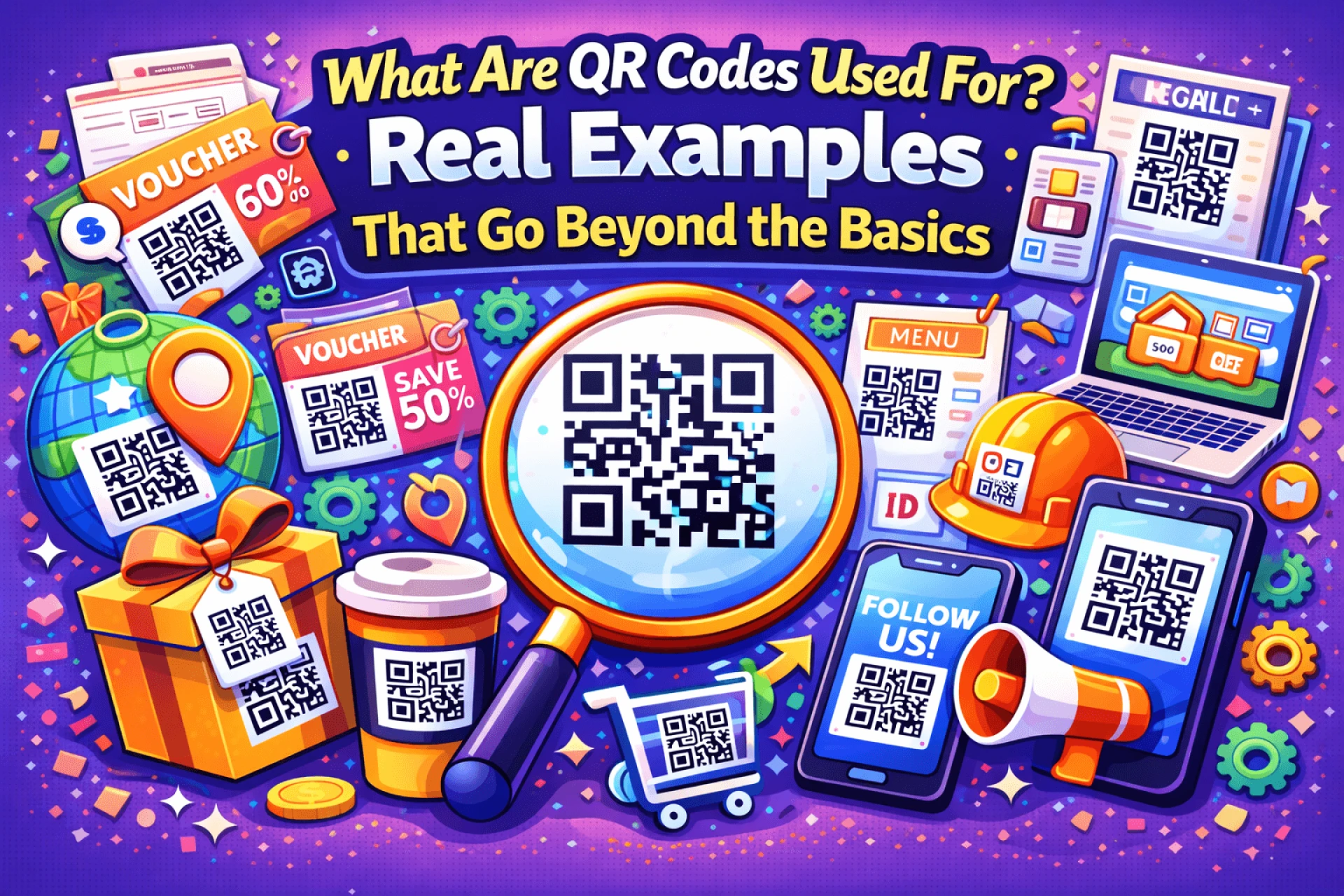

QR codes are often described as shortcuts to websites, but that explanation barely scratches the surface. In practice, QR codes are used to simplify everyday interactions, reduce friction, and connect physical spaces with digital information.
Below are real-world examples of how QR codes are actually used — not as trends, but as practical tools that solve common problems.
Connecting Offline Materials to Online Information
One of the most effective uses of QR codes is linking something physical to something digital.
You’ll commonly find QR codes on:
- Printed flyers linking to web pages
- Posters pointing to event details
- Business cards opening personal or company websites
This removes the need for typing URLs and makes it more likely people will access the content.
Restaurants and On-Demand Information
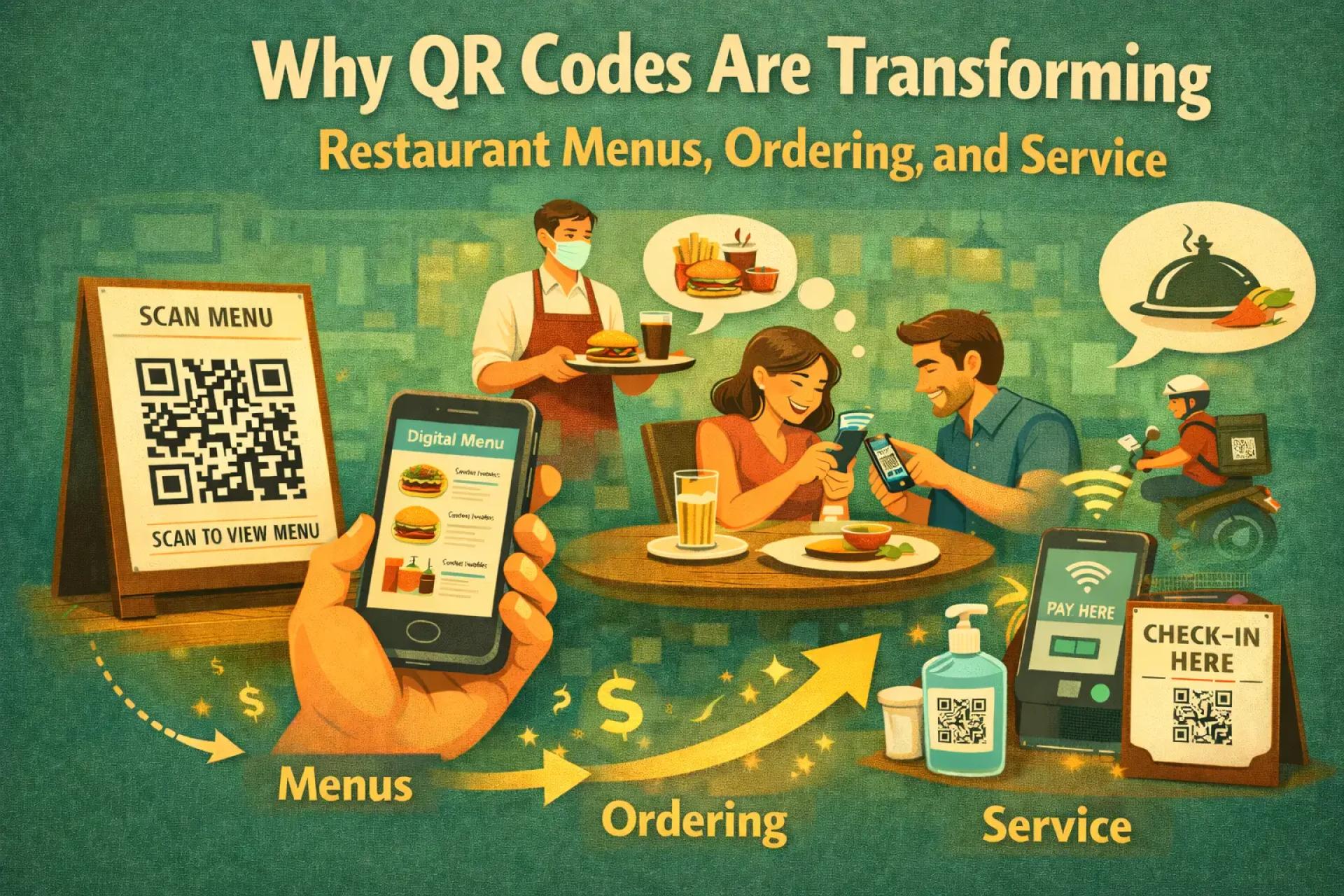
QR codes are widely used in restaurants because they’re flexible and easy to maintain.
They’re often used for:
- Digital menus
- Daily or seasonal specials
- Online ordering systems
- Ingredient and allergen information
Updating information becomes instant, without reprinting materials.
Events, Access, and Verification
QR codes are commonly used to manage event access.
Typical uses include:
- Digital tickets
- Registration confirmations
- Entry verification
- Access to schedules or programs
Scanning QR codes speeds up entry and reduces congestion at check-in points.
Product Packaging and Extended Details
Physical packaging has limited space. QR codes solve this by moving extra information online.
Brands often use QR codes to link to:
- Setup and assembly instructions
- User manuals
- Warranty information
- Product support pages
This keeps packaging clean while still providing detailed help when needed.
Promotions and Campaign Landing Pages
In marketing, QR codes work best when they lead to a specific destination.
They’re commonly used for:
- Promotional landing pages
- Discount or coupon offers
- Limited-time campaigns
- Contest or giveaway entries
QR codes also make it easier to track engagement from offline channels.
Education, Training, and Reference Material
QR codes are frequently used in educational and training environments.
They link printed materials to:
- Video lessons
- Additional reading
- Practice exercises
- Interactive resources
This allows learning materials to stay simple while offering deeper context.
Sharing Contact Information
QR codes simplify contact sharing and reduce errors.
They’re often used to:
- Save contact details directly to a phone
- Open professional or social profiles
- Link to personal websites
This avoids outdated or mistyped information.
Feedback, Reviews, and Surveys
Collecting feedback works best when it’s easy and immediate.
QR codes are commonly placed to:
- Open review pages
- Link to feedback forms
- Run short surveys
Lower effort increases participation.
Internal Organization and Asset Management
QR codes are also widely used behind the scenes.
Common internal uses include:
- Asset labeling
- Inventory tracking
- Accessing internal documentation
- Linking equipment to digital records
This helps teams find information quickly and consistently.
Creating QR Codes That Match the Use Case
Not all QR codes are created the same way. Some use cases require flexibility, updates, or visual customization.
Tools like QRColor allow users to create QR codes that fit different real-world needs while remaining easy to scan.
You can see an example here:
👉 https://qrcolor.com
Final Thoughts
QR codes are most useful when they remove steps instead of adding them. Whether used for menus, events, packaging, education, or internal systems, their best applications focus on convenience and clarity.









Sign in to leave a comment.