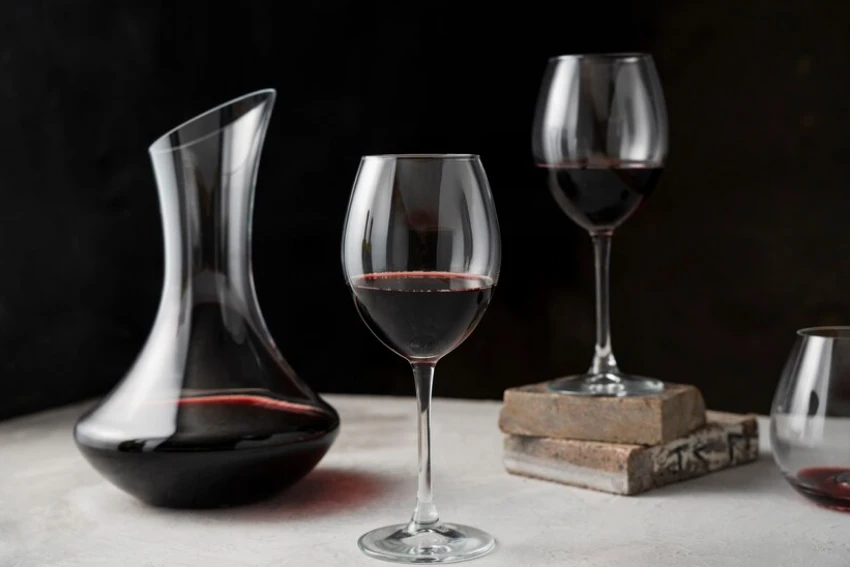

A decanter is a container made especially for presenting and aerating wine. Wine experts and lovers use it as a tool to improve the experience of their preferred wines. A decanter has a tremendous impact on the flavour, aroma, and overall enjoyment of the wine by allowing the wine to breathe and separating it from any sediment. We shall examine the idea of decanting, comprehend the function of a decanter, and delve into the advantages it provides in this post.
What is decanter
A decanter is a glass or crystal vase with a stopper or cover, a wide base, and a thin neck. Its function is to make the decanting procedure, which entails pouring wine from the original bottle into the decanter, easier. The decanter's design exposes more of the wine's surface to air, which encourages aeration and helps the wine reach its full potential.
Benefits of using a decanter
Aeration and Oxygenation
The wine is aerated and oxygenated during the decanting process, which is one of the main advantages. The chemical reaction known as oxidation occurs when wine is exposed to air. Red wine's tannins are softer as a result of this process, which also enables the wine's tastes and aromas to fully develop. Young, full-bodied red wines can benefit greatly from decanting since it softens their sharp edges and brings out more subtle nuances.
Improving aroma and bouquet
Aromas are crucial to how we perceive and appreciate wine. The aromas of the wine are liberated and enhanced by decanting. Wine's volatile ingredients begin to evaporate when it is exposed to air, exposing its diverse and alluring aromas. The overall sensory experience is enhanced by the subtle flavours of fruits, spices, flowers, and earthiness becoming more distinct.
Sifting Sediment
As a result of natural ageing, some wines, particularly older red wines, accumulate sediment over time. Solids like tannins and pigments that precipitate and settle at the bottle's bottom make up sediment. Decanting enables the wine and sediment to be separated, resulting in a visually beautiful and sediment-free pour.
Showcasing Wine Presentation
A decanter enhances the presentation of wine with style and finesse. It acts as a beautiful vessel that can improve the overall design of the table or gathering. Decanters are available in a variety of sizes, styles, and materials, so people can pick one that matches their particular preferences or harmonizes with the wine being served. The decanting process itself can become the centrepiece and provide a ceremonial element to the wine experience.
Softening Sharp Wines
When first opened, some wines, particularly young, tannic reds, can be astringent and harsh. Even if the wine is young, decanting can help reduce these astringent characteristics and make it more palatable. By exposing the wine to oxygen during the aeration process, the tannins can be mellowed out and any bitterness reduced, making the wine smoother and more delightful to drink.
Enabling Customized Serving
More control over the serving size and temperature is possible by decanting wine into a separate vessel. The broader design of a decanter, as opposed to the traditional wine bottle, allows for better temperature control. Additionally, it gives the option to pour different sizes of wine depending on the occasion and personal desire. Wine lovers can customize the serving to their preferences and assure maximum satisfaction thanks to this versatility.
Conclusion
For wine enthusiasts looking to improve their wine experience, a decanter is an invaluable tool. A decanter offers many advantages by encouraging aeration, increasing aromas, removing sediment, and presenting wine in an aesthetically beautiful way.
Wine lovers may bring out the most in their favourite bottles by decanting, whether they're sipping a fresh red wine or an elderly vintage. Wine lovers can improve the flavour, aroma, and overall enjoyment of their wines by purchasing a high-quality decanter and learning how to use it properly.










Sign in to leave a comment.