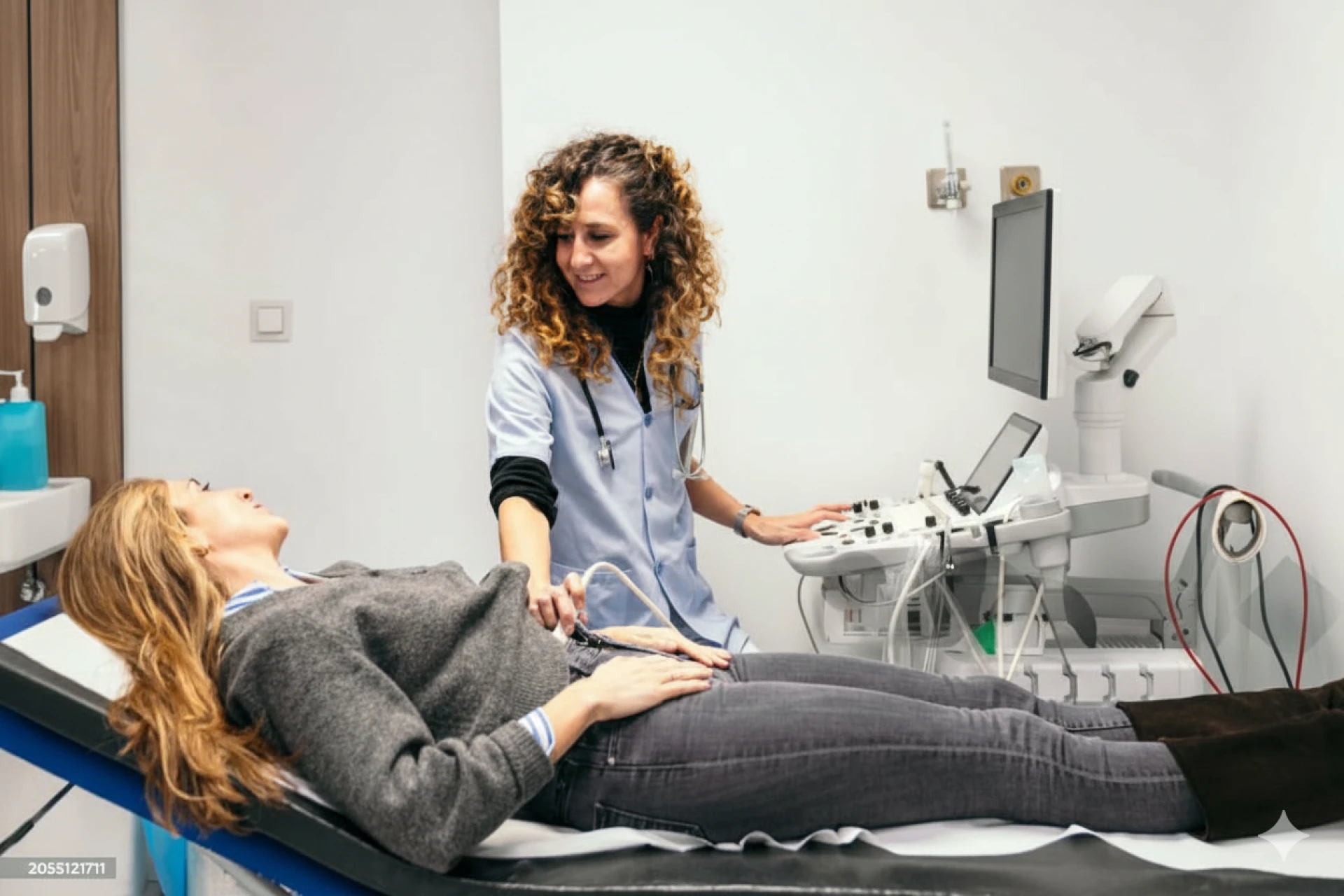

Pregnancy is a journey filled with excitement, anticipation, and countless questions. One of the most common curiosities for expectant parents is discovering the baby’s gender. While waiting for a traditional mid-pregnancy scan has long been the norm, advances in medical imaging now allow parents to learn this information much earlier. An early gender scan has gained popularity for its ability to provide insight during the first trimester and early second trimester. Beyond simply revealing whether it’s a boy or a girl, early gender scans offer multiple emotional, practical, and medical benefits that can enhance the overall pregnancy experience.
This article explores these advantages in detail, highlighting why early gender scans are becoming a valuable part of prenatal care.
Understanding Early Gender Scans
An early gender scan is typically performed between 12 and 16 weeks of gestation. Using advanced ultrasound technology, the scan examines the developing fetus and attempts to determine the baby’s sex based on anatomical markers.
Unlike standard ultrasounds, which are primarily focused on monitoring fetal health and development, early gender scans are designed to provide parents with additional insights and a sense of connection to their baby. While the accuracy of these scans is slightly lower than later scans, when performed by experienced professionals using high-resolution equipment, results can be remarkably reliable.
Emotional Benefits of Early Gender Scans
One of the most significant benefits of an early gender scan is the emotional impact it has on parents. Pregnancy is an emotional rollercoaster, and having the opportunity to see the baby and gain a glimpse into their gender can create a strong bond even before birth.
Strengthening Parental Bonding
Seeing the baby on screen — moving, stretching, and responding in real time helps parents develop a deeper connection. Knowing the gender can make conversations and plans feel more personal, enhancing emotional attachment during this critical stage.
Sharing the Experience
Early gender scans also allow families to share the joy with loved ones. Many parents choose to record the session or invite relatives to witness the scan in person. This shared experience strengthens family bonds and creates memories that last a lifetime.
Reducing Anxiety
For some parents, uncertainty about the baby’s development and gender can contribute to stress. An early gender scan provides reassurance and a sense of clarity, helping to reduce anxiety and enhance confidence in the pregnancy journey.
Practical Benefits
Beyond emotional advantages, early gender scans offer practical benefits that can make life easier for expectant parents.
Early Planning and Preparation
Knowing the baby’s gender in the early stages allows parents to make more informed decisions about names, nursery themes, and clothing. This early insight helps families prepare in a way that feels organized and thoughtful, turning what could be a logistical challenge into an enjoyable planning process.
Gender-Specific Purchases
Parents often appreciate having the ability to purchase gender-specific items sooner, including clothing, toys, and nursery decorations. This early knowledge can also make gift registries more accurate, helping friends and family choose meaningful presents.
Emotional and Social Celebrations
Many families choose to celebrate the baby’s gender with gatherings or reveal parties. Early gender scans provide ample time to plan these events thoughtfully, incorporating creativity and personal touches that can make the experience memorable.
Medical Advantages
While early gender scans are often sought for emotional and practical reasons, they can also provide important medical insights.
Monitoring Fetal Development
The scan allows healthcare providers to assess fetal growth and detect potential anomalies in the early stages. Although not as detailed as the mid-pregnancy anomaly scan, an early scan can highlight certain developmental aspects and provide reassurance about overall fetal health.
Identifying Potential Concerns
In rare cases, early scans can reveal indicators of chromosomal conditions or other developmental concerns. While not a diagnostic tool on their own, early scans can prompt further testing or monitoring when needed, enabling timely interventions and informed medical decisions.
Complementing Routine Prenatal Care
An early gender scan complements traditional prenatal visits by providing additional visual information about the fetus. It offers both parents and healthcare providers a clearer picture of the baby’s early development, supporting a more comprehensive approach to prenatal care.
Accuracy and Considerations
Accuracy is a key consideration when opting for an early gender scan. While results are generally reliable, it is important to understand the limitations.
- Gestational Age: Scans performed closer to 12 weeks may be slightly less accurate due to incomplete fetal development. Accuracy improves as the pregnancy progresses toward 16 weeks.
- Fetal Position: The position of the fetus during the scan can affect visibility and, consequently, gender determination.
- Equipment and Expertise: High-resolution ultrasound machines operated by trained sonographers provide the best chances for accurate results.
- Expectations: Parents should maintain realistic expectations and understand that, in rare cases, early scans may need confirmation with later imaging.
By keeping these factors in mind, parents can enjoy the benefits of early gender scans while understanding the context and potential limitations.
Emotional Preparation and Family Involvement
Early gender scans are not only about discovering the baby’s sex — they are also about creating meaningful experiences for families. These scans help parents feel more involved in the pregnancy, encourage bonding, and provide opportunities for siblings or extended family to connect with the baby.
Many clinics now offer packages that include images or videos of the scan, allowing parents to share these moments with loved ones. This involvement can foster excitement, strengthen relationships, and create a sense of shared anticipation as the family prepares for the baby’s arrival.
Conclusion
Early gender scans offer a combination of emotional, practical, and medical benefits that make them a valuable addition to prenatal care. They provide parents with an early glimpse into their baby’s life, strengthen bonding, reduce anxiety, and allow for informed planning and preparation. While accuracy is slightly lower than later scans, advances in technology and skilled sonographers ensure that early results are highly reliable.
By understanding both the advantages and limitations of early gender scans, parents can make informed decisions that enhance their pregnancy experience. Beyond simply revealing gender, these scans transform prenatal visits into moments of joy, connection, and excitement — helping families create lasting memories even before their baby arrives.
FAQs
Q1: What is an early gender scan?
An early gender scan is an ultrasound performed between 12 and 16 weeks of pregnancy to determine the baby’s sex and monitor early development.
Q2: How accurate is an early gender scan?
Accuracy ranges from 85% to 95%, depending on gestational age, fetal position, equipment quality, and the sonographer’s expertise.
Q3: What are the benefits of an early gender scan?
Benefits include emotional bonding, early planning, medical insights, reduced anxiety, and the opportunity for family involvement.
Q4: When is the best time to get an early gender scan?
The optimal window is between 12 and 16 weeks of pregnancy, with accuracy improving closer to 16 weeks.
Q5: Are early gender scans safe?
Yes, when conducted by trained professionals using approved ultrasound technology, early gender scans are considered safe for both mother and baby.
For more insights, you can explore other articles on related topics
How Reliable Are Early Gender Scans Compared to Later Scans?
What’s the best week for an accurate early gender scan?













Sign in to leave a comment.