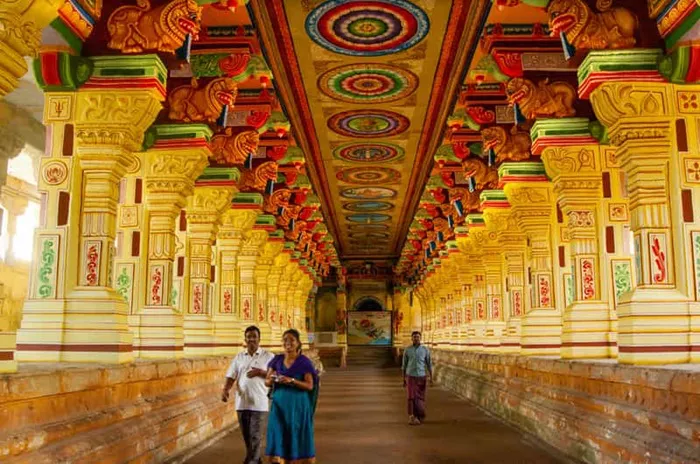

India is home to thousands of temples, each with its own traditions, architecture, and spiritual significance. Visiting a temple is not just a tourist activity; it is a sacred experience. To fully respect the sanctity of these places, visitors need to understand the rules and customs that govern temple visits. These rules help maintain a peaceful environment and ensure that the spiritual atmosphere is preserved for worshippers.
In this article, we provide a complete analysis of the rules for visiting temples in India, combining knowledge of Buddhist teachings and Indian temple culture. We will also answer common questions that visitors often have.
Understanding the Spiritual Significance of Temples

The Role of Temples in Indian Culture
Temples in India are not only religious centers but also cultural hubs. They serve as places for prayer, meditation, and community gatherings. For Buddhists and followers of other religions, temples are spaces where one can connect with the divine, practice mindfulness, and seek spiritual guidance.
Visiting a temple is considered a form of spiritual discipline. By following temple rules, visitors show respect for the religious practices and the sacred environment.
The Buddhist Perspective on Visiting Sacred Places
From a Buddhist viewpoint, visiting a temple is more than a physical act. It is an opportunity to cultivate mindfulness, compassion, and gratitude. Buddha emphasized the importance of respect, calmness, and ethical behavior when entering sacred spaces. By adhering to temple rules, visitors can enhance their spiritual experience.
General Rules for Visiting Temples in India

1. Dress Modestly
One of the most important rules is to dress modestly. Temples are sacred spaces, and revealing or inappropriate clothing is considered disrespectful. Both men and women should cover their shoulders and knees. In some temples, visitors may be required to wear traditional attire or remove shoes at the entrance.
2. Remove Footwear
Before entering the inner sanctum, visitors must remove their shoes. This practice symbolizes humility and cleanliness. Many temples provide shelves or designated areas for storing footwear. Bare feet are considered pure and appropriate for sacred spaces.
3. Maintain Silence and Calmness
Temples are places of meditation and prayer. Loud conversations, phone calls, or unnecessary movements are discouraged. Visitors should speak softly and move quietly, respecting the devotion of others.
4. Photography Rules
Some temples allow photography only in specific areas, while others prohibit it completely. It is important to ask for permission before taking photos. Flash photography is often forbidden as it can disturb the sanctity of the space and the concentration of worshippers.
5. Offerings and Donations
Offering flowers, incense, or fruits is a common practice in Indian temples. Visitors should follow the temple’s guidelines for offerings. Donations are usually welcomed, but they should be given respectfully, either at the donation box or to temple staff.
6. Following Ritual Protocols
Each temple has specific rituals that visitors may be invited to observe or participate in. For example, lighting a lamp, ringing a bell, or chanting mantras. Visitors should follow instructions carefully and avoid disrupting the rituals.
Special Rules for Buddhist Temples in India
1. Respect for Buddha Statues and Relics
Buddhist temples often house statues of the Buddha, relics, and sacred texts. Visitors must show respect by bowing slightly or placing hands together in the Anjali Mudra. Touching sacred objects is usually not allowed unless a monk or temple guide permits it.
2. Meditation and Silence Areas
Buddhist temples may have designated areas for meditation. These spaces require complete silence. Visitors should avoid unnecessary movement, sitting on raised platforms reserved for monks, or talking loudly.
3. Following Monastic Rules
Many Buddhist temples are attached to monasteries. Visitors should not disturb monks during their practices. Photography near monks is often restricted, and physical contact is discouraged. Offering alms or gifts to monks should be done with both hands as a sign of respect.
4. Mindful Conduct
Buddhist teachings emphasize ethical behavior. Visitors should avoid any actions that reflect greed, anger, or disrespect. This includes refraining from littering, pointing feet towards Buddha statues, or consuming alcohol or meat inside temple premises.
Temple-Specific Rules Across India

1. South Indian Temples
Temples in Tamil Nadu, Kerala, and Karnataka have strict dress codes. Men may be required to wear dhotis, and women may need to wear sarees or long skirts. Many South Indian temples strictly prohibit photography and mobile phone usage.
2. North Indian Temples
In North India, temples often have large crowds, especially during festivals. Visitors should follow queue systems, maintain personal space, and avoid pushing. Donations are often expected at major temples, but visitors should follow posted instructions.
3. Buddhist Temples in Ladakh and Sikkim
Monasteries in the Himalayan regions are known for their serene environment. Visitors should walk clockwise around the main shrine, spin prayer wheels with the right hand, and avoid disturbing monks in prayer. Shoes should always be removed before entering inner halls.
4. Temples with Seasonal or Festival-Specific Rules
During festivals, additional rules may apply, such as restrictions on bringing food, photography limits, and specific entry timings. Visitors are advised to check temple notices or official websites in advance.
Etiquette for Interacting with Temple Staff and Monks
1. Polite Communication
When asking questions or seeking guidance, use polite language. Bow slightly as a gesture of respect and avoid raising your voice.
2. Following Instructions
Temple staff may guide visitors on where to sit, how to participate in rituals, or where to leave offerings. Follow these instructions without argument, as they are designed to maintain the sanctity of the temple.
3. Respecting Personal Space
Monks and priests often have designated areas for their activities. Visitors should not enter these areas uninvited. Physical gestures like hugging or touching are usually inappropriate unless offered by the monk.
Safety and Health Guidelines in Temples

1. Crowd Management
Many temples attract thousands of visitors. Always stay aware of your surroundings, follow entry and exit signs, and avoid pushing or running in crowded areas.
2. Personal Belongings
Keep bags, wallets, and valuables with you. Some temples provide lockers, but it is safest to carry only essentials to avoid loss or theft.
3. Hygiene Practices
Many temples have clean water for washing hands or drinking. Avoid littering, and dispose of offerings or waste in designated areas. Respecting hygiene is a form of mindfulness and consideration for others.
Planning Your Temple Visit
1. Research Before Visiting
Before visiting any temple, learn about its specific rules, opening hours, and rituals. Official temple websites or local guides are reliable sources. Research helps avoid misunderstandings and enhances your spiritual experience.
2. Choosing the Right Time
Early morning visits are often quieter and more peaceful. Avoid peak festival hours if you prefer a calm environment. Planning your visit ensures a more meaningful experience.
3. Preparing Spiritually
Visiting a temple is not just a physical journey but also a spiritual one. Take time to meditate, set intentions, and approach the visit with humility and respect.
Conclusion
Visiting temples in India is a deeply enriching experience. By following the rules and etiquette, visitors show respect for sacred traditions and enhance their own spiritual growth. From dressing modestly to maintaining silence, removing footwear, and respecting monks, every rule reflects a deeper understanding of mindfulness and reverence. Understanding temple-specific customs, Buddhist practices, and general etiquette ensures that your visit is both respectful and spiritually fulfilling.











Sign in to leave a comment.