
In the ever-evolving landscape of infrastructure and development, civil engineering stands as one of the most impactful and respected professions. For aspiring engineers in India, choosing the right university is the first step toward a successful career. Among the many institutions offering a BTech in Civil Engineering, Chitkara University has emerged as a top choice for students—and for good reason.
This blog explores the top reasons why students across the country prefer Chitkara University to pursue their BTech in Civil Engineering.
1. Impressive Placement Record
One of the most compelling reasons students choose Chitkara is its 100% placement assistance in core and interdisciplinary industries. The university has a proven track record of placing BTech in Civil Engineering graduates in top-tier companies such as:
- Larsen & Toubro (L&T)
- Shapoorji Pallonji
- Tata Projects
- Afcons Infrastructure
- Sobha Ltd.
- Simplex Infrastructures
- DLF
The Career Development Cell (CDC) at Chitkara works tirelessly to connect students with employers through campus placements, job fairs, mock interviews, and aptitude training. The average salary package is competitive, and students are often recruited even before completing their degree.
2. Best-in-Class Faculty with Industry Experience
Chitkara’s Civil Engineering Department boasts some of the most qualified and experienced faculty members in the country. These professionals bring a balance of academic expertise and real-world project experience, which enriches the learning process for students.
Many professors hold PhDs, have been published in reputed journals, and have previously worked with government agencies or leading construction firms. The mentorship provided here goes far beyond classroom teaching—it inspires students to innovate, research, and explore practical challenges.
3. Industry-Relevant Curriculum & Specializations
Chitkara’s BTech in Civil Engineering program is built on an industry-integrated curriculum that reflects the evolving needs of the profession. It includes:
- Structural Engineering
- Geotechnical Engineering
- Transportation Engineering
- Environmental Engineering
- Construction Management
- Surveying, GIS, and Remote Sensing
Moreover, the curriculum is designed in collaboration with industry partners, ensuring that students are job-ready from day one. Regular curriculum updates also incorporate the latest technologies, including Building Information Modeling (BIM), Green Building Design, and Artificial Intelligence in Construction.
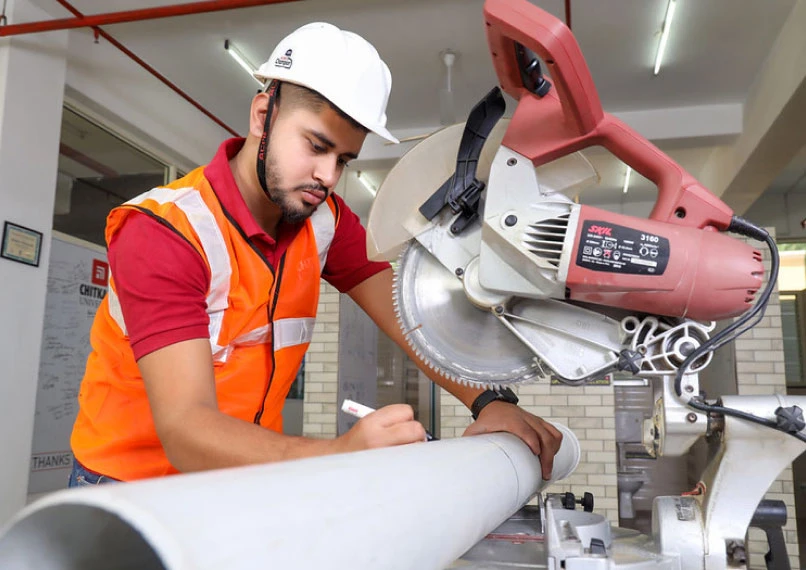
4. Hands-On Learning Through Labs and Projects
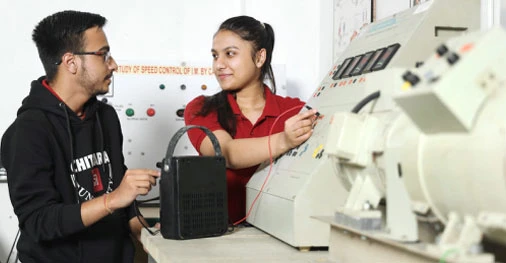
Chitkara understands that engineering is best learned by doing. The civil engineering department is equipped with state-of-the-art labs, including:
- Structural Engineering Lab
- Soil Mechanics Lab
- Surveying Lab with Total Stations and GPS
- Environmental Engineering Lab
- Concrete and Highway Material Labs
From the very first semester, students are involved in practical assignments, real-world projects, and field visits. By the final year, they work on capstone projects that tackle live challenges in infrastructure and sustainability.
5. Strong Industry Collaboration & MoUs
Chitkara University actively collaborates with leading industry players and government bodies for curriculum development, guest lectures, workshops, and internships. Strategic partnerships with:
- Indian Green Building Council (IGBC)
- National Highways Authority of India (NHAI)
- PWD and Urban Development Authorities
- Software companies offering AutoCAD, STAAD Pro, and Revit training
These collaborations ensure students are always ahead of the curve and have access to cutting-edge technology and industry standards.
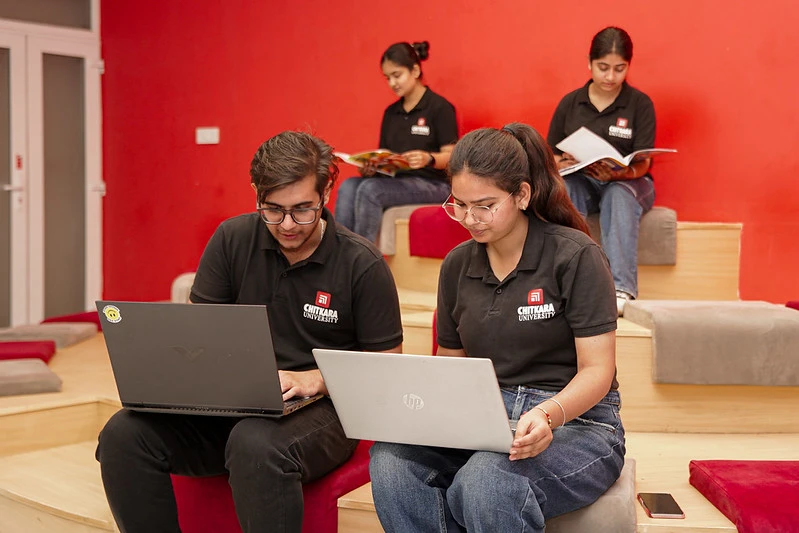
6. Vibrant, Tech-Enabled Campus Environment
The university offers a world-class learning environment that inspires innovation and creativity. The green and Wi-Fi-enabled campus includes:
- Smart classrooms with digital boards
- 24/7 library and digital learning resources
- High-performance computing labs
- Dedicated student innovation centers and clubs
- Cafeterias, sports facilities, and hostels that foster a strong community
All these facilities make Chitkara a home away from home—ideal for both academic growth and personal development.
7. Academic Excellence & Accreditation
Chitkara’s BTech in Civil Engineering program is approved by AICTE and accredited by NBA, ensuring that the education meets national quality standards. The university is also:
- NAAC A+ accredited
- QS I-Gauge certified
- Listed among top engineering colleges by NIRF
These recognitions provide confidence to students and parents that the degree holds value—both in India and abroad.
8. International Exposure & Exchange Programs
Chitkara believes in building global citizens. BTech in Civil Engineering students can take part in:
- Semester abroad programs with universities in Europe, the USA, and Australia
- International internships with multinational construction firms
- Global online certifications in design, project management, and sustainability
These opportunities help students build cross-cultural skills and global networks giving them an edge in the competitive engineering landscape.
9. Emphasis on Innovation, Research & Startups
Chitkara encourages students to go beyond the curriculum and solve real-world problems.
The Chitkara University Research and Innovation Network (CURIN) provides:
- Research grants for final-year projects
- Mentorship for publishing papers and patents
- Incubation support for startups in the civil engineering domain
From sustainable housing solutions to earthquake-resistant designs, students are working on projects that can transform the future of infrastructure in India.
10. Student Life, Clubs & Leadership Development
Beyond academics, Chitkara offers an active student life with:
- Civil Engineering Society of India (CESI) student chapter
- Technical fests and hackathons
- Leadership training through Toastmasters, Rotaract, and E-cell
- Site visits, surveys, and industry workshops
These activities help students develop communication, leadership, and teamwork skills—critical traits for successful civil engineers.
Final Thoughts
Choosing where to pursue a BTech in Civil Engineering can define your future. At Chitkara University, students don’t just earn a degree—they build a strong foundation for a rewarding, impactful career in shaping the physical world around us.
Whether it's the exceptional placement record, world-class faculty, hands-on learning, or innovative ecosystem, Chitkara University has all the right ingredients to empower the next generation of civil engineers in India.
FAQs
1. What makes Chitkara University a top choice for a BTech in Civil Engineering?
Chitkara University offers a 100% placement record, highly qualified faculty, industry-aligned curriculum, and hands-on lab training. Its focus on innovation, real-world projects, and global exposure makes it one of the most preferred destinations for students pursuing a BTech in Civil Engineering in India.
2. Does Chitkara University provide placements for BTech in Civil Engineering graduates?
Yes, Chitkara ensures excellent placement support through its Career Development Cell. Top construction firms and infrastructure companies such as L&T, Tata Projects, and DLF frequently recruit from Chitkara’s BTech in Civil Engineering program.
3. Are there practical learning opportunities in the BTech in Civil Engineering course at Chitkara?
Absolutely. Chitkara integrates live projects, industrial training, site visits, and lab-based learning throughout its BTech in Civil Engineering curriculum. Students gain real-world skills in surveying, concrete testing, environmental analysis, and more.
4. What is the eligibility to apply for BTech in Civil Engineering at Chitkara University?
Candidates must have passed 10+2 with Physics, Chemistry, and Mathematics. Admission is typically based on academic performance and may include counseling or entrance tests as per university guidelines.
5. How does Chitkara support innovation and research in civil engineering?
Chitkara fosters a strong innovation culture through its CURIN research hub. BTech in Civil Engineering students can engage in research projects, publish papers, and even launch startups related to construction technology, green buildings, and smart infrastructure.











Sign in to leave a comment.