When your child speaks Spanish at home and is learning English at school, every book you choose matters. Reading time is not just about new words. It is about confidence, belonging, and feeling seen. Many parents worry that focusing on English might cause their child to lose connection with their first language. Others wonder how to support classroom learning without overwhelming their child.
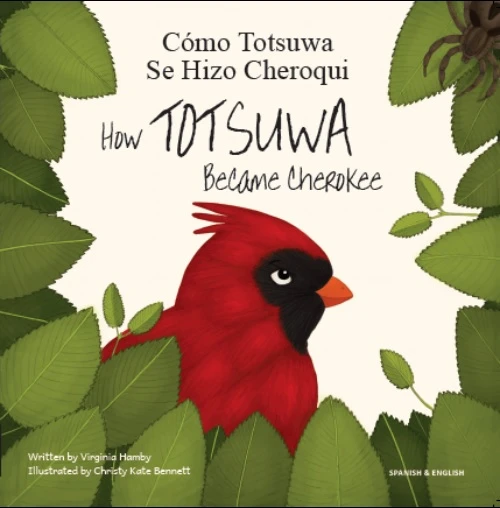
The right stories can do both. Carefully designed bilingual books in English and Spanish allow children to see their home language and English side by side. This visual and emotional balance helps young learners feel secure as they build new skills. But these books do far more than introduce vocabulary lists. They shape identity, strengthen literacy foundations, and create meaningful bridges between home and school.
Let us explore what they truly teach.
1. Confidence Through Familiar Language
For children who speak Spanish at home, entering an English-speaking classroom can feel intimidating. When they open a picture book and recognize familiar words next to English text, something powerful happens.
They realize:
- My language belongs here.
- I can understand this story.
- I am capable of learning English.
This confidence reduces anxiety and encourages participation in school. Instead of feeling behind, children feel supported. The presence of Spanish alongside English acts like a security net, allowing them to take risks with new words.
2. Literacy Skills That Transfer Across Languages
Many parents ask, “Will reading in Spanish slow down English learning?”
The answer is no. In fact, literacy skills transfer.
When children learn:
- How sentences are structured
- How punctuation works
- How stories are organized
- How pictures support meaning
These skills apply in both languages. Spanish bilingual children’s books help children see patterns in English without abandoning what they already know.
Here is how it works:
| Skill Learned in Spanish | How It Supports English |
| Recognizing letter sounds | Builds phonics awareness |
| Understanding story sequence | Improves comprehension |
| Identifying descriptive words | Expands vocabulary |
| Asking questions about a story | Strengthens critical thinking |
This dual exposure accelerates learning instead of dividing it.
3. Identity and Belonging in the Classroom
Children thrive when they see themselves reflected in books. For English learners, representation matters deeply.
Bilingual picture books show:
- Families who speak another language at home
- Cultural celebrations alongside everyday experiences
- Children navigating two languages with pride.
This validation strengthens identity. A child who feels proud of their background is more likely to engage confidently in school.
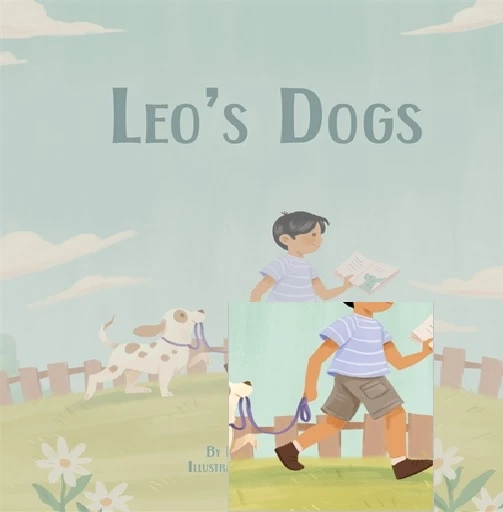
Even resources like a Spanish-English book that introduces everyday vocabulary can reinforce this sense of belonging when both languages are treated equally on the page.
4. Making English Learning Practical and Enjoyable
Learning English should not feel like a test. It should feel like a discovery.
Well-designed bilingual picture books often include:
- Colorful illustrations that support understanding
- Repeated sentence patterns for easy recognition
- Audio options for pronunciation support
- Visual cues that connect words with actions
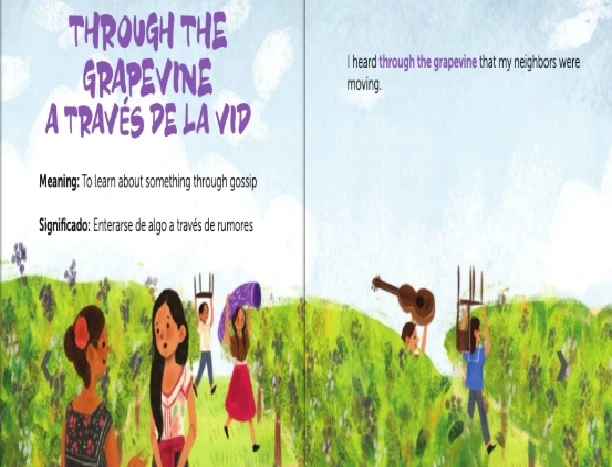
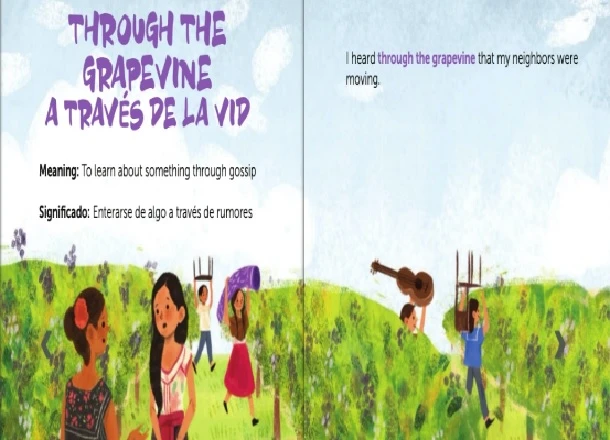
For example, an idiom collection, such as a 4 Idiom Books Set with bilingual, multicultural themes, can turn complex language into something playful and accessible. When children see idioms explained clearly, with literal translations and illustrations, they understand not just what the phrase means but how it is used.
This makes classroom participation easier and more enjoyable.
5. Support for Parents and Teachers
Parents often ask, “How can I help if English is not my strongest language?”
Bilingual picture books offer practical support:
- You can read together in Spanish.
- Your child can practice English in a safe space.
- You can compare meanings naturally during conversation.
Teachers also benefit. In culturally diverse classrooms, these books:
- Encourage inclusive discussions
- Provide scaffolding for English learners.
- Promote culturally responsive teaching.
Some collections even include:
- English audio versions
- Lesson plans
- Activities for home or classroom use
- Background information about language origins
This turns storytime into a full learning experience.
6. Building Long-Term Academic Strength
Early exposure to structured, side-by-side language learning builds more than vocabulary. It strengthens:
- Cognitive flexibility
- Memory
- Problem-solving skills
- Attention control
Children naturally learn to shift between languages. This mental flexibility supports future academic success across subjects.
When children regularly engage with bilingual books in English and Spanish, they are not simply memorizing translations. They are training their brains to think across linguistic systems.
That advantage lasts well beyond elementary school.
Conclusion: More Than Words on a Page
At first glance, bilingual picture books may seem like simple tools for vocabulary building. In reality, they do much more. They nurture identity, strengthen literacy, reduce classroom anxiety, and connect families with schools. When children see their home language alongside English, they feel valued and capable.
Consistent exposure to bilingual books in English and Spanish allows young learners to grow academically without sacrificing cultural pride. These books transform language learning into a shared journey between parent and child.
If you are searching for supportive Spanish Books that truly empower English learners, thoughtfully created bilingual books in English and Spanish can make all the difference. Many trusted educational publishers, including Language Lizard, offer collections designed to help children who speak another language at home build confidence as they master English.









Sign in to leave a comment.