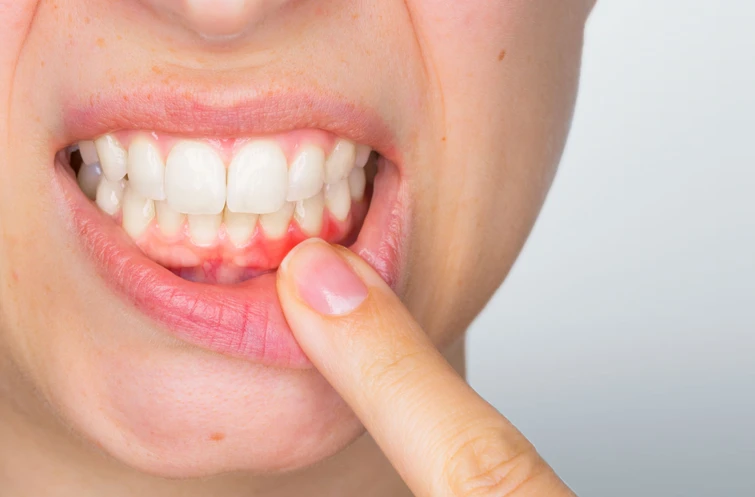

Gum treatment is essential for addressing gum disease, also known as periodontal disease, an alarming condition that affects a substantial portion of the population, often without individuals even realising it. Characterised by inflammation and infection of the gums, this condition can lead to serious dental issues, including tooth loss, if not addressed promptly.
Understanding the causes of gum disease and exploring effective treatment options is crucial for maintaining optimal oral health.
Understanding the Causes of Gum Disease
At the core of gum disease lies a common culprit: plaque. This sticky film of bacteria forms on the teeth when food particles and saliva combine. If plaque is not removed through regular brushing and flossing, it can harden into tartar, a substance that can only be removed by a dental professional. As plaque and tartar build up, they create an environment conducive to the growth of harmful bacteria. This process triggers an immune response, leading to inflammation of the gums, known as gingivitis, which is the initial stage of gum disease.
Several factors can exacerbate the development of gum disease. Poor oral hygiene is a significant contributor, as neglecting to care for one’s teeth allows plaque to accumulate. Additionally, certain lifestyle choices, such as smoking and poor nutrition, can weaken the body’s immune response, making it more susceptible to infections in the gums. Individuals with underlying health conditions, such as diabetes, heart disease, or hormonal changes during pregnancy, may also be at increased risk. These conditions can hinder blood flow and immune function, complicating the body’s ability to fight off infections.
Furthermore, genetics play a role in one’s susceptibility to gum disease. Research suggests that some individuals may inherit a predisposition to periodontal issues, making it essential for those with a family history of gum disease to be vigilant about their oral hygiene practices. Stress, too, can have a negative impact on overall health, including oral health. It can lead to neglecting routine dental care and can also affect the body’s ability to heal, increasing the likelihood of gum infections.
Recognising the Symptoms of Gum Disease
Early detection of gum disease is vital to preventing further complications. Symptoms often start subtly but can escalate if left untreated. Common signs include red, swollen, or bleeding gums, especially during brushing or flossing. Many individuals may also experience persistent bad breath, a condition known as halitosis, which can be both embarrassing and indicative of underlying oral health issues. As the disease progresses, one might notice receding gums, which can expose the roots of teeth and lead to increased sensitivity.
In advanced stages, gum disease can cause pockets to form between the teeth and gums, creating spaces that can become infected. This can lead to the loss of tooth structure and even teeth themselves. Thus, it is crucial for individuals to monitor their oral health and seek dental advice if they notice any of these symptoms. Regular dental check-ups are equally important, as dental professionals can identify early signs of gum disease even when patients may not notice any symptoms themselves.
Effective Treatment Options for Gum Disease
Addressing gum disease requires a comprehensive approach tailored to the severity of the condition. For those in the early stages, such as gingivitis, improved oral hygiene practices can often reverse the condition. This includes regular brushing with fluoride toothpaste, daily flossing, and using an antimicrobial mouthwash to reduce plaque accumulation. Additionally, scheduling routine dental cleanings allows professionals to remove tartar and provide guidance on maintaining good oral health.
For individuals with more advanced gum disease, treatments may become more intensive. Scaling and root planing is a common non-surgical procedure that involves deep cleaning beneath the gum line to remove plaque and tartar from the tooth roots. This procedure is often performed under local anaesthesia to ensure patient comfort. Following this treatment, the dental professional may recommend more frequent cleanings and possibly the use of medicated mouth rinses or antibiotics to help control infection and inflammation.
In cases where gum disease has caused significant damage to the tissue and bone supporting the teeth, surgical options may be necessary. Flap surgery involves lifting back the gums to remove tartar deposits and then suturing them back in place. Another option is bone grafting, which can help regenerate lost bone tissue. These surgical procedures aim to restore gum health and improve the overall stability of the teeth.
Maintaining Good Oral Health to Prevent Gum Disease
Prevention is always better than cure, especially when it comes to gum disease. Establishing a robust oral hygiene routine is the first line of defence. Individuals should brush their teeth at least twice a day and floss daily to remove food particles and plaque from areas that a toothbrush cannot reach. Regular dental visits, ideally every six months, are essential for professional cleanings and early detection of potential issues.
Moreover, adopting a balanced diet rich in vitamins and minerals can bolster the immune system and support oral health. Foods high in vitamin C, such as citrus fruits and leafy greens, are particularly beneficial for gum health, as they help in the repair of connective tissues. Staying hydrated is equally important, as saliva plays a vital role in neutralising acids produced by bacteria and washing away food particles.
For those who smoke or use tobacco products, seeking support to quit can significantly reduce the risk of developing gum disease. Similarly, managing stress through techniques such as mindfulness or exercise can enhance overall health, including oral health. By incorporating these practices into daily life, individuals can significantly lower their chances of developing gum disease and maintain a healthy, vibrant smile.
In summary, gum disease is a serious condition that can have profound implications for one’s overall health. By understanding its causes, recognising symptoms, and implementing effective treatment and prevention strategies, individuals can take proactive steps toward preserving their oral health and ensuring a lifetime of healthy gums and teeth.










Sign in to leave a comment.