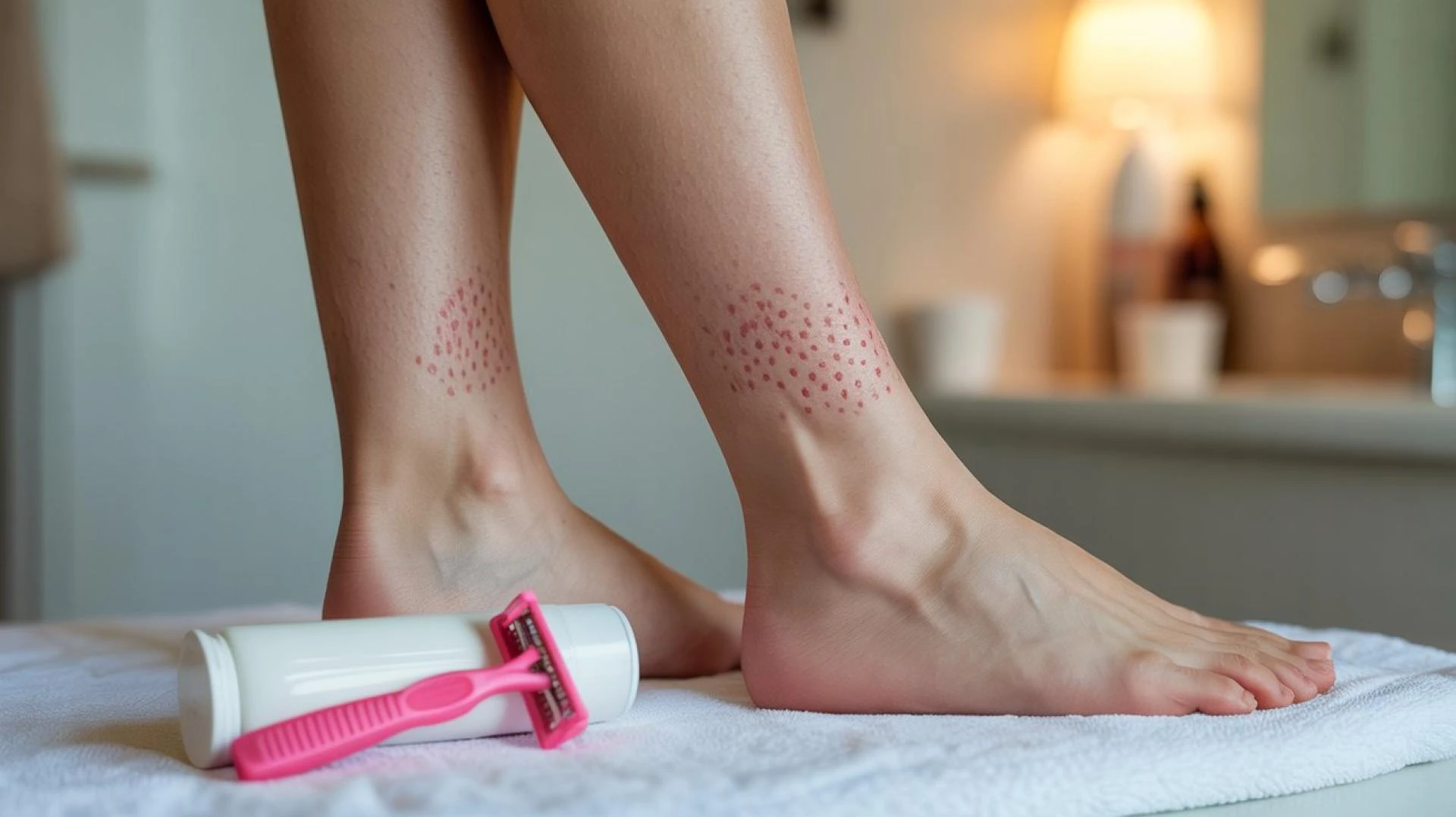

As a dermatologist, I often meet patients who are concerned about tiny dark dots on their legs that resemble the seeds of a strawberry. Many feel self-conscious wearing shorts or dresses and worry that these marks indicate poor skin health. This condition, commonly called strawberry legs, is actually very common and usually harmless.
The good news is that strawberry legs are not permanent. Once you understand what causes them, managing and treating the condition becomes much easier and safer.
What Are Strawberry Legs?
Strawberry legs is a non-medical term used to describe the appearance of darkened hair follicles or pores on the legs. These dots may look black, brown, or reddish and become more noticeable after shaving or waxing.
Medically, strawberry legs are usually caused by:
- Blocked or inflamed hair follicles
- Oxidation of oil within pores
- Mild pigmentation around hair roots
It is a cosmetic concern rather than a disease.
The Main Causes of Strawberry Legs (Dermatologist’s Explanation)
In most patients, strawberry legs develop due to a combination of factors, rather than a single cause. Let me explain the most common ones I see in clinical practice.
1. Clogged Hair Follicles and Open Pores
Your leg skin contains thousands of hair follicles. When these follicles get blocked with dead skin cells, excess oil (sebum), or dirt, they appear as dark dots.
Because the pores on the legs are larger and more visible, especially after hair removal, clogged follicles easily show through the skin surface.
2. Shaving and Hair Removal Mistakes (Most Common Cause)
One of the biggest triggers of strawberry legs is improper shaving technique. Common mistakes include:
- Shaving on dry skin
- Using old or blunt razors
- Shaving against hair growth
- Skipping post-shave moisturization
These practices irritate the skin and cause inflammation around hair follicles, which leads to darkening and prominent pores.
3. Oxidation of Sebum (Why the Dots Look Dark)
Many patients assume the dark dots are dirt, but this is not true.
The dark appearance is often due to oxidation of sebum. When oil trapped inside a pore comes into contact with air, it oxidizes and turns dark, similar to blackheads on the face. This is why strawberry legs often become more visible immediately after shaving.
4. Ingrown Hairs and Folliculitis
Ingrown hairs occur when hair grows back into the skin instead of outward. This can cause:
- Dark or red bumps
- Mild pain or itching
- Post-inflammatory pigmentation
In some cases, bacteria infect the follicle, leading to folliculitis, which worsens strawberry legs and may leave marks if not treated properly.
5. Dry Skin and Lack of Moisture
Dry skin makes pores appear more prominent and the skin texture rougher. I commonly see strawberry legs worsen during:
- Winter months
- Excessive hot showers
- Inadequate use of body moisturizers
A weak skin barrier highlights follicular openings, making dark dots more noticeable.
6. Keratosis Pilaris vs Strawberry Legs (Often Confused)
Many patients confuse strawberry legs with keratosis pilaris (KP).
- Strawberry legs: flat dark dots, more visible after shaving
- Keratosis pilaris: rough, bumpy, sandpaper-like texture
While both involve follicular plugging, the treatment approach differs, which is why correct diagnosis is important.
Does Sweating, Gym Activity, or Weight Loss Cause Strawberry Legs?
This is a frequent concern.
- Sweating does not cause strawberry legs, but tight clothing and friction can worsen follicle blockage
- Weight loss does not directly cause it
- Hormonal changes may influence oil production and pigmentation
These factors may aggravate the condition, but are not the root cause.
Who Is More Prone to Strawberry Legs?
You are more likely to develop strawberry legs if you have:
- Dry or sensitive skin
- Thick or coarse body hair
- A history of frequent shaving or waxing
- Pigmentation-prone Indian skin
Genetics and skin type play a significant role.
When Should You Consult a Dermatologist?
You should see a dermatologist if:
- Strawberry legs persist despite good skincare
- You experience painful, itchy, or pus-filled bumps
- Pigmentation continues to worsen
- Home remedies and scrubs are not helping
Early medical guidance helps prevent long-term marks and scarring.
Final Thoughts from Dr. Geetika Srivastava
Strawberry legs are extremely common and completely manageable. In most cases, the issue lies not in your skin but in hair removal habits and inadequate skincare.
With the right diagnosis, gentle exfoliation, proper moisturization, and dermatologist-guided treatments, you can safely achieve smooth, even-toned legs without damaging your skin.
If strawberry legs are affecting your confidence, I strongly recommend consulting a qualified dermatologist rather than experimenting with harsh DIY remedies.










Sign in to leave a comment.