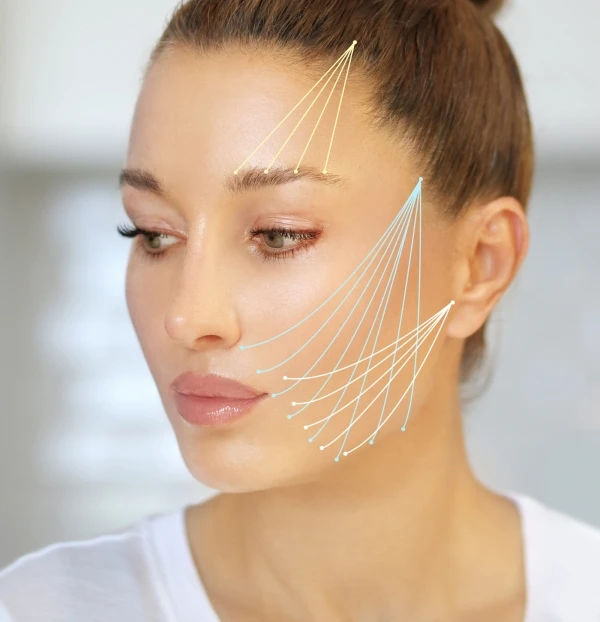

A thread lift is a minimally invasive cosmetic procedure designed to provide a subtle, youthful lift to sagging skin. It involves inserting dissolvable threads under the skin to reposition and support facial tissues. While it is a safe and effective alternative to surgical facelifts, some concerns may arise regarding what happens if a thread breaks or moves after the procedure.
If you are considering a Thread lift in Islamabad, understanding the potential risks and how to manage them can help ensure the best possible results. This blog will explain why threads may break or shift, what symptoms to look for, and what to do if this occurs.
Understanding Thread Lift and How It Works
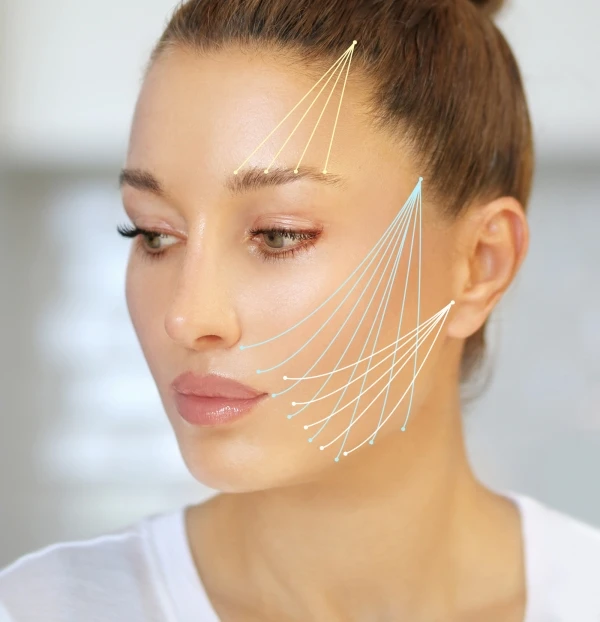
A thread lift works by inserting biocompatible threads (usually made of PDO, PLLA, or PCL) into the skin. These threads stimulate collagen production while lifting sagging skin. Over time, the threads dissolve, leaving behind firmer and tighter skin.
However, in some cases, threads can break or migrate, which may affect the results of the procedure. This is uncommon but can happen due to excessive facial movement, poor technique, or improper aftercare.
What Causes a Thread to Break or Move?
Several factors can contribute to thread breakage or displacement:
1. Poor Quality Threads
- Using low-quality or improperly manufactured threads increases the risk of breakage or ineffective lifting.
- Choosing a reputable clinic with high-quality materials minimizes this risk.
2. Incorrect Placement by an Inexperienced Practitioner
- If the threads are not placed deeply enough, they may shift or become visible.
- Improper anchoring may cause the threads to move out of place instead of staying secure.
3. Excessive Facial Movements
- Laughing, chewing, or yawning too aggressively in the first few weeks can disrupt the placement of the threads.
- It’s recommended to limit extreme facial expressions for at least two weeks after the procedure.
4. Physical Trauma to the Face
- Accidental impact, rubbing the face too hard, or sleeping on the side can cause thread displacement.
- Patients should avoid touching their faces excessively during the healing process.
5. Weak or Thin Skin Structure
- In some cases, older patients with weaker skin may experience thread breakage due to a lack of support from natural collagen.
- Stronger PDO or PLLA threads may be recommended for individuals with thinner skin.
How to Tell If a Thread Has Broken or Moved?
While most patients experience mild swelling and tightness after a thread lift, certain symptoms may indicate a broken or displaced thread:
✅ Signs of Normal Healing:
✔ Mild swelling and bruising that subsides within a few days
✔ Tightness and slight discomfort that improves over time
✔ Dimpling or puckering that smooths out within 2-3 weeks
🚨 Signs of a Problematic Thread:
❌ Visible thread protrusion under the skin
❌ A sudden asymmetrical appearance on one side of the face
❌ A feeling of looseness or reduced lifting effect
❌ Pain, inflammation, or infection in the treated area
❌ Hard lumps or knots forming under the skin
If any of these symptoms occur, it is best to consult with your cosmetic practitioner immediately.
What Happens If a Thread Breaks?
A broken thread does not necessarily mean that the procedure has failed. Here’s what happens if a thread breaks after a thread lift:
✔ The body naturally absorbs the broken thread over time, just like a fully intact thread.
✔ The lifting effect may still remain if other threads are intact.
✔ If the breakage causes visible asymmetry, the doctor may insert a replacement thread to restore the lift.
✔ If there is no visible issue, no further action may be needed.
A broken thread is not harmful but may require minor corrections to maintain the best results.
What Happens If a Thread Moves or Migrates?
Thread movement is more concerning than breakage, as it may cause uneven results or visible irregularities. Here’s what to expect:
✔ If the thread moves slightly, it may still function properly, and no intervention is required.
✔ If the thread migrates significantly, causing visible lumps or discomfort, the doctor may need to adjust or remove it.
✔ In rare cases, a displaced thread may protrude through the skin, requiring a small procedure to remove it.
Early intervention by an experienced professional can correct minor thread shifts before they become noticeable.
How to Prevent Thread Breakage or Movement?
To minimize the risk of complications, follow these essential aftercare tips:
1. Avoid Excessive Facial Movements
- Limit chewing, laughing, or yawning too aggressively for the first 2 weeks.
- Avoid wide smiles or exaggerated facial expressions to keep the threads in place.
2. Sleep on Your Back
- Do not sleep on your side or stomach for at least 2 weeks.
- Use a soft pillow to reduce pressure on the treated area.
3. No Heavy Exercise or Straining
- Avoid strenuous workouts, bending, or lifting heavy objects for at least 2 weeks.
- Sweat and excessive movement can increase the risk of thread displacement.
4. Do Not Touch or Massage the Face
- Avoid rubbing, massaging, or applying excessive pressure on the treated area.
- Be gentle with skincare routines and avoid harsh exfoliation.
5. Follow Up with Your Practitioner
- Attend all post-procedure check-ups to ensure proper healing.
- If any unusual symptoms occur, seek medical advice immediately.
What If a Thread Needs to Be Removed?
In rare cases, a displaced or visible thread may need removal. This is a simple and painless procedure where a doctor will:
✔ Make a tiny incision to extract the thread if necessary.
✔ Replace the thread with a new one if correction is required.
✔ Offer alternative non-invasive treatments if removal is not needed.
If managed correctly, thread removal does not cause long-term issues and does not affect future cosmetic procedures.
Final Thoughts
While thread breakage or movement is uncommon, it can happen in certain cases. Fortunately, these issues can be corrected easily by an experienced cosmetic professional. By following post-treatment guidelines and choosing a qualified practitioner, patients can minimize risks and enjoy long-lasting, youthful results. At Dynamic Clinic, our experts use high-quality materials and advanced techniques to ensure safe and effective thread lift treatments. Schedule a consultation today to learn more!







Sign in to leave a comment.