
When you use a music streaming service like Spotify or Apple Music, your playlists may feel personal, but they often aren't entirely in your control. When you switch platforms or stop your subscription, the risk of losing your carefully made music collection becomes real.
Many users are shocked that they can't easily transfer playlists and start from scratch. This article discusses the problems tied to playlist ownership, the hidden costs behind switching services, and how to avoid losing your favorite tracks, artists, or albums while in charge of your music.
Why You Might Not Actually Own Your Playlists
Creating a playlist on Spotify, YouTube Music, or Apple Music feels like yours. You've added the songs, picked the order, and fine-tuned it to match your mood or occasion. But the reality is, these playlists live on the platform's servers. Your access depends entirely on your subscription and that specific music provider. So if you cancel your account or change to a different music streaming service, those playlists don't move with you.
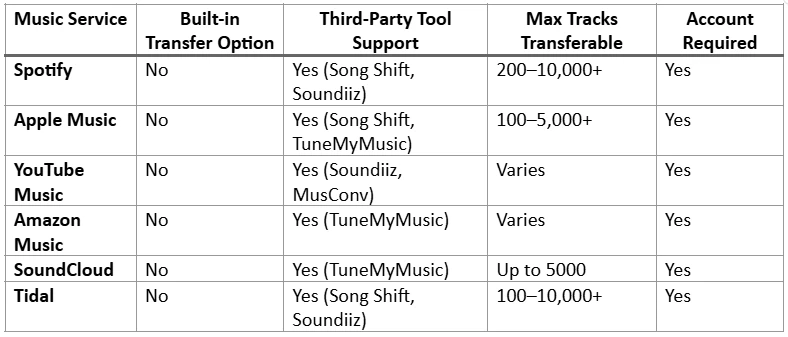
The biggest issue is that most streaming services don't make it simple to transfer or save playlists outside their platform. There's no built-in tool to move your music library to another app. While some third-party tools offer a fix, many users aren't aware that these tools exist and contain related information.
1. Streaming Services and the Illusion of Ownership
Most major music services like Apple Music, Spotify, and Tidal license music instead of selling it. That means you pay for access, not ownership. According to the RIAA, 85% of U.S. music revenue in 2023 came from streaming, yet none of it grants users complete control over their songs, albums, or playlists. Your favorite tracks live in someone else's system, which can become a serious issue when switching platforms or even facing account bans.
2. Losing Playlists When You Cancel Your Subscription
Canceling your Apple Music or Spotify subscription doesn't just stop your monthly access—it can wipe your library. In many cases, once your subscription ends, so does your saved playlist. A user who has been curating music for years could lose everything unless they manually back it up or use a playlist transfer tool.
3. Platform Restrictions Make Playlist Transfers Difficult
Spotify allows limited export of playlist data. Apple Music makes it even harder. YouTube Music gives users fewer tools to manage or export collections. Many users have reported being blocked or losing part of their library when using external playlist transfer apps. SoundCloud, Tidal, and Amazon Music have different rules, which adds to the confusion of an already challenging process.
4. Music Library Loss Affects Listening Habits
When people lose their playlists, they often stop listening to music altogether. According to a 2022 survey, 36% of users said they listened to less music after switching services, mainly because they couldn't transfer their music properly. Losing favorite songs and not being able to add them back easily weakens the bond users feel with their chosen music platforms.
5. Playlists Are Often Tied to One Device or Platform
Some music platforms also restrict access to your playlists based on the device. If you created playlists on your iPhone, you might be unable to open them easily on a computer. Apple Music, for instance, uses iCloud sync, which often causes playlist ownership issues when switching to Android or using Windows.
6. Playlist Transfer Tools Aren't Always Reliable
Apps like Song Shift and Soundiiz help users transfer playlists, but often come with limits. Free versions usually restrict the number of tracks or albums you can move. Some tools charge monthly fees. Others don't support every music service, so users repeat the add songs step for each playlist. The effort needed can be frustrating, especially for those with hundreds of saved songs.
7. Hidden Emotional Cost of Losing Your Music Collection
It's not just the data that disappears—it's the memories. Many people use playlists to save songs tied to certain times in life. Losing that list can feel like losing a personal diary. Even if you remember the name of each track, rebuilding it takes time and emotional energy. These aren't just songs; they're soundtracks to your world.
8. Users Want More Control Over Their Music Experience
A growing number of users are demanding more control. A 2023 study showed 62% of users prefer apps that let them export their playlists, even if they never use the feature. The desire to learn more about controlling your music experience is stronger than ever. People don't want to feel tied down to one platform. They want options, freedom, and support when they decide to switch.

Tips for Gaining Real Control of Your Playlists
● Use playlist export tools like Song Shift or Soundiiz to save backups
● Keep a manual list of important playlists or tracks you'd hate to lose
● Test new music platforms before canceling your old subscription
● Avoid making exclusive playlists only on your iPhone or a single device
● Choose streaming services that give you control over your music library
Comparison of Playlist Portability Across Major Platforms
Final Words
You may spend years building the perfect playlist, but without true ownership, it could vanish with just a platform change. Don't wait until it's too late. Use the right tools and steps to stay in control of your music collection, no matter which service or platform you prefer.
FAQs
Can I legally own the playlists I create on streaming services?
No. Your playlists exist on the platform's system. You can access them if your account remains active, but don't legally own the songs or lists.
Why do streaming services make playlist transfers hard?
Most music providers focus on keeping users within their apps. Making it hard to transfer playlists reduces the chance of people switching platforms, keeping subscriptions active longer.











Sign in to leave a comment.