
The Bumpy Truth About Auto Transport Damage
Car transport is a popular service used by thousands of Americans every year, whether they’re moving across the country, buying a car from out of state, or shipping a vehicle for business purposes. While the vast majority of auto transports go off without a hitch, there's always the slim possibility that your vehicle might not arrive in the same condition it left in. But what really happens if an auto transport damage occurs?
Surprisingly, according to industry estimates, fewer than 5% of all vehicles transported experience any form of damage. That might sound like a small number, but with more than 15 million vehicles shipped annually in the U.S., that's still around 750,000 incidents. Knowing what to expect — and what to do — can make all the difference in turning a potential nightmare into a manageable inconvenience.
First Stop: Understanding the Auto Transport Process
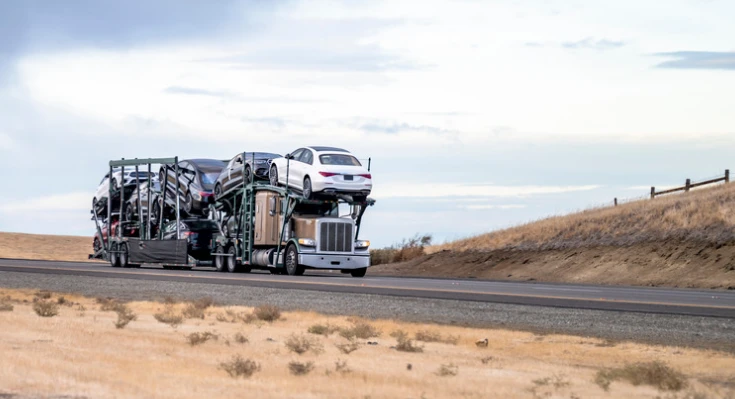
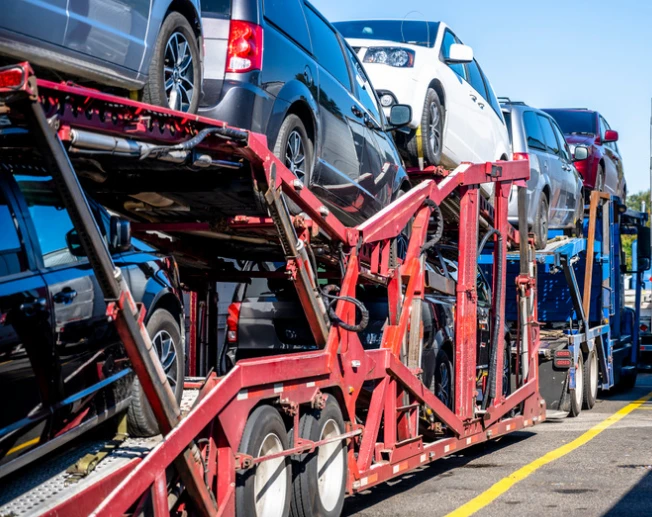
Before we dive into the nitty-gritty of damage and claims, it’s important to understand how the car transport process works. Vehicles are typically shipped using either open or enclosed carriers. Open carriers are the most common and can transport multiple cars at once, but they also expose vehicles to weather and road debris. Enclosed carriers offer more protection, usually used for luxury or classic cars, but they’re not invincible either.
At pickup, your vehicle is inspected and documented in a condition report, usually with photos. This baseline helps both you and the transport company determine if any new damage occurred during transit. Upon delivery, another inspection is performed to note any changes.
Spotting the Damage: What Kind of Issues Can Occur?
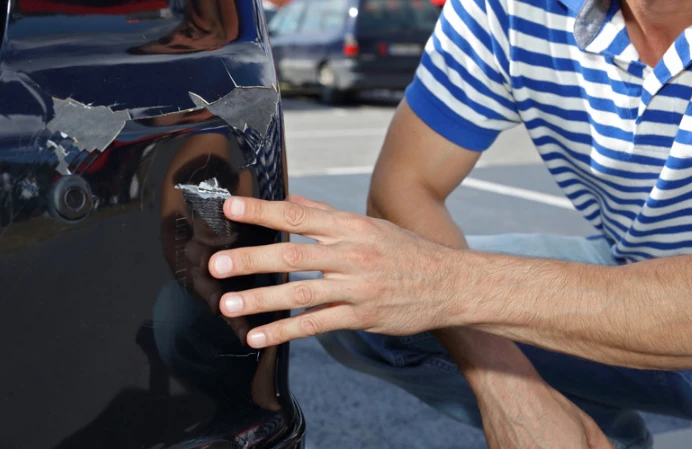
Auto transport damage can range from minor cosmetic flaws to more serious structural concerns. The most common types include paint scratches, dings, broken mirrors, cracked windshields, and undercarriage issues. In rare cases, mechanical problems can result from improper loading or unloading.
While most companies strive to prevent any kind of mishap, the reality is that your vehicle is traveling hundreds or thousands of miles — sometimes through inclement weather or over rough terrain. Even the best carriers can’t control a sudden hailstorm or a rogue pebble kicked up by the truck ahead.
Filing a Claim: Now What?
If your vehicle arrives with damage, your first instinct might be to panic — but don't. Take a deep breath, and follow the proper procedure. Immediately note the damage on the Bill of Lading, the official document that tracks the vehicle’s condition at pickup and delivery. Take clear photos from multiple angles, and notify the transport company as soon as possible.
Next, you’ll want to file a damage claim. Reputable car transport companies carry cargo insurance, which should cover damage incurred during transport. However, the specifics can vary, so it’s essential to review the carrier's policy details before signing the shipping contract. Claims are usually processed within a few weeks, and many are resolved smoothly.
According to the Federal Motor Carrier Safety Administration (FMCSA), licensed auto transport companies are required to carry at least $750,000 in liability insurance. That provides a significant safety net, but it’s still a good idea to verify coverage and ask questions up front.
Prevention Is Key: How to Minimize the Risk
Although you can’t guarantee a damage-free journey, you can significantly reduce the risk with a few smart moves. First, choose a carrier with a solid reputation. Look for FMCSA licensing, customer reviews, and a track record of safe deliveries. Ask about their damage rate — a transparent company won’t hesitate to share this info.
Also, take time to prepare your vehicle. Remove personal items, disable alarms, and make sure the car is clean so that any pre-existing damage is easy to document. The cleaner the car, the clearer the before-and-after comparison. It’s also wise to take your own set of high-quality photos prior to pickup.
Another useful tip: don’t skip the insurance conversation. Even if the carrier has coverage, your own auto insurance may offer additional protection during transport. Some policies include this automatically, while others might require a temporary rider.
Damage Doesn't Always Mean Disaster
One of the most reassuring facts about auto transport damage is that most cases are minor and quickly resolved. Scratches can be buffed out. Mirrors can be replaced. And thanks to the inspection process, it's typically very clear when and where the damage occurred. Most reputable transporters are motivated to resolve issues quickly — they rely heavily on word-of-mouth and positive reviews to stay in business.
What’s more, the odds are in your favor. Data shows that 95% of car transport customers report no damage at all. That means careful planning and a good carrier can make a big difference in your experience.
Transporting Peace of Mind
At the end of the day, shipping your vehicle can be a smooth, stress-free process — especially when you’re informed and proactive. If you know what to look for, how to prepare, and what to do in case of damage, you’re far more likely to have a positive experience.
So whether you're sending your prized sports car across the country or helping your college-bound kid get their ride to campus, don’t let fear of damage hold you back. With a little research and the right partner, car transport can be a safe and reliable way to get your vehicle where it needs to go.
And if the unexpected does happen? Now you know exactly what to do.












Sign in to leave a comment.