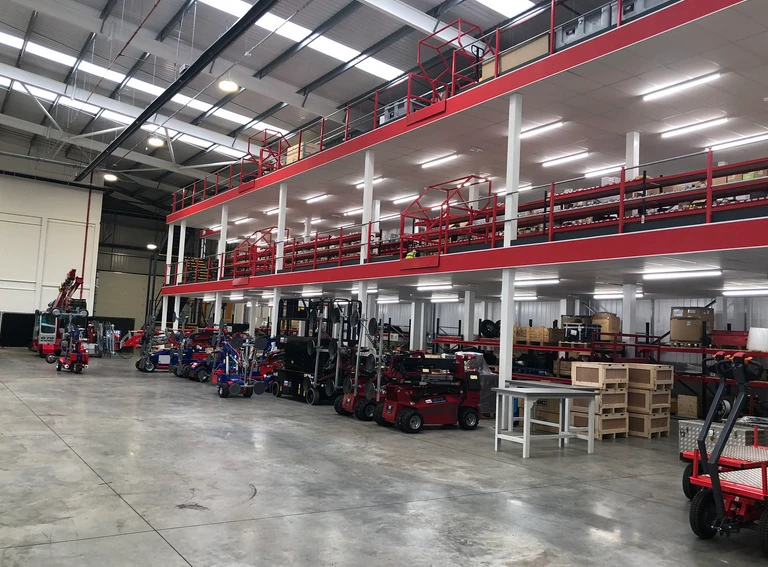

In the ever-evolving landscape of logistics and warehousing, businesses are constantly seeking innovative solutions to optimize their space and improve operational efficiency. One such solution that has gained popularity is the warehouse mezzanine floor. This versatile structure not only provides additional storage space but also enhances the overall functionality of a warehouse.
In this article, we will explore what a mezzanine floor is, its numerous benefits, and why it is an essential investment for modern businesses looking to streamline their operations.
Understanding Warehouse Mezzanine Floors
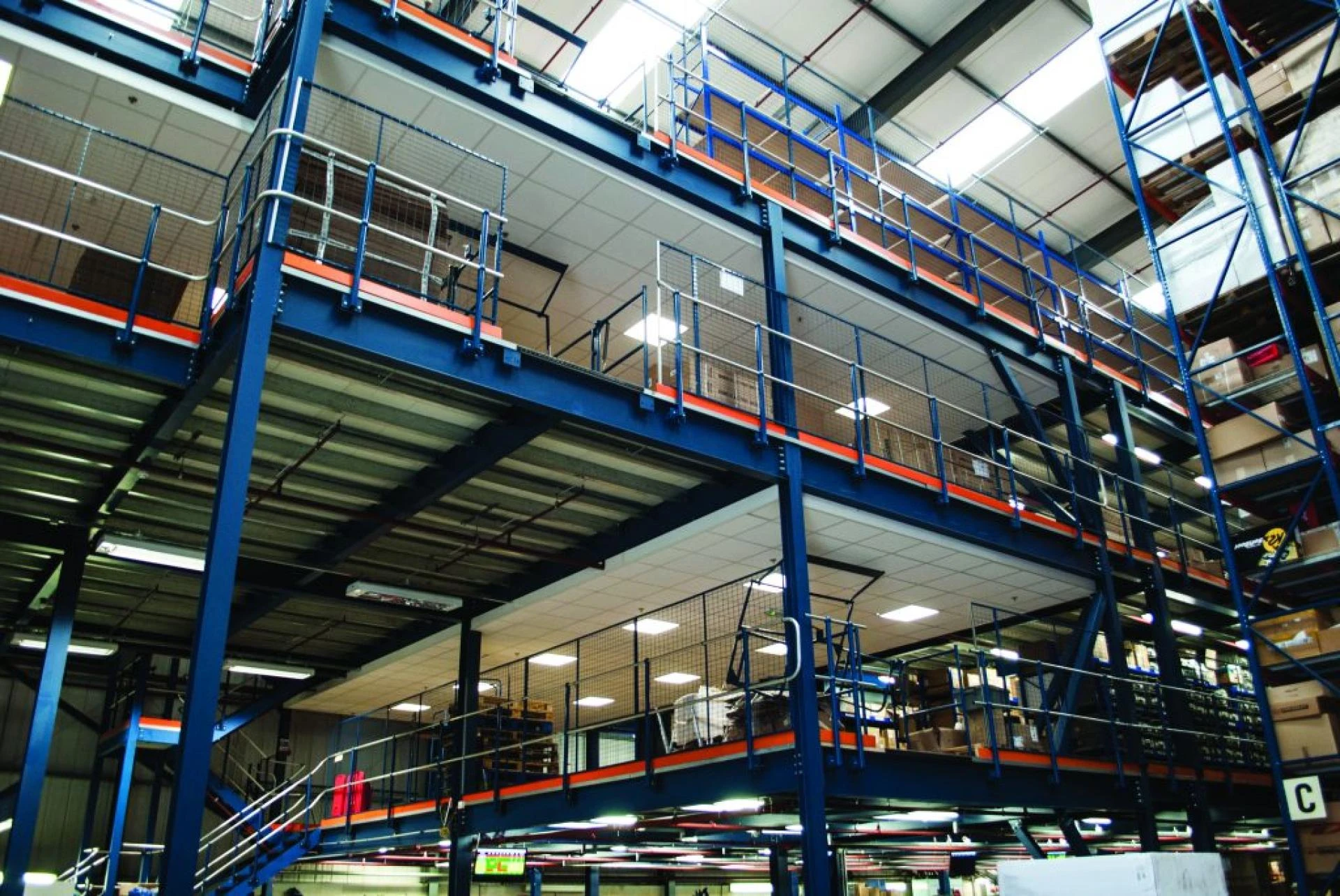
A warehouse mezzanine floor is an intermediate floor installed between the main floors of a warehouse or distribution center. It is typically constructed from steel or other durable materials and is supported by columns that allow for the creation of additional storage or operational space without the need for extensive renovations. These structures can be customized in size and configuration to fit the specific needs of a business, accommodating various types of inventory and equipment.
The design of a mezzanine floor allows businesses to utilize vertical space effectively. In warehouses where floor space is limited, a mezzanine can provide an excellent solution to increase storage capacity without the need to expand the building's footprint. This is particularly advantageous for companies facing high rental costs for additional space or those operating in urban areas where real estate is at a premium.
Benefits of Implementing a Mezzanine Floor
The advantages of incorporating a warehouse mezzanine floor into a business's operational framework are manifold. Firstly, it offers a significant increase in storage capacity. By utilizing the vertical space available, businesses can store more products within the same footprint, leading to improved inventory management and reduced clutter on the main warehouse floor. This not only enhances accessibility but also streamlines picking processes, ultimately leading to increased productivity.
Furthermore, mezzanine floors can be designed to accommodate various functions beyond storage. They can house offices, break rooms, or even training areas, ensuring that all operational aspects are conducted within the same facility. This multifunctionality can significantly reduce the costs associated with separate office spaces and enhance the overall workflow by keeping all essential functions close at hand.
Another critical benefit is the potential for improved safety and compliance. A well-structured mezzanine floor can be equipped with safety features such as guardrails, non-slip surfaces, and proper signage, reducing the risk of accidents and ensuring compliance with industry regulations. This is particularly important in warehouses where heavy machinery and high volumes of foot traffic are commonplace.
Maximizing Efficiency and Productivity
The installation of a warehouse mezzanine floor can have a profound impact on operational efficiency. By providing a dedicated space for specific functions, businesses can optimize their workflow. For instance, having a separate area for order processing or packing can minimize the time spent moving between different sections of the warehouse. This segmentation allows for a more organized approach to operations, reducing the likelihood of errors and improving overall productivity.
Moreover, mezzanines can be tailored to fit specific processes, such as implementing automated systems for picking and packing. By integrating technology into the mezzanine design, businesses can further enhance efficiency and reduce labor costs. The ability to adapt the mezzanine to evolving business needs makes it a flexible solution for companies that are growing or changing their operational strategies.
Cost-Effectiveness of Mezzanine Floors
Investing in a warehouse mezzanine floor is often more cost-effective than relocating to a larger facility or expanding the existing warehouse. The installation of a mezzanine can typically be completed with minimal disruption to ongoing operations, allowing businesses to continue functioning while the new structure is being built. This is a crucial factor for businesses that cannot afford downtime due to the installation of new storage solutions.
Additionally, the long-term benefits of increased efficiency, improved safety, and enhanced storage capabilities can lead to significant cost savings over time. By maximizing the use of existing space, businesses can avoid the high costs associated with additional leases or purchasing new properties. This financial prudence is particularly beneficial for small to medium-sized enterprises looking to scale without incurring prohibitive expenses.
Conclusion
In conclusion, the implementation of a warehouse mezzanine floor is an invaluable investment for businesses looking to optimize their space and enhance operational efficiency. By providing additional storage capacity, improving workflow, and ensuring compliance with safety standards, mezzanine floors offer a versatile solution that meets the dynamic needs of modern warehousing. Companies like Dalvie Systems specialize in designing and installing these structures, ensuring that businesses can leverage their full potential. By consulting with experts, organizations can gain insights into how a mezzanine floor can revolutionize their operations and contribute to long-term success.
If you're considering ways to enhance your warehouse environment, exploring the benefits of a mezzanine floor might be the perfect starting point.










Sign in to leave a comment.