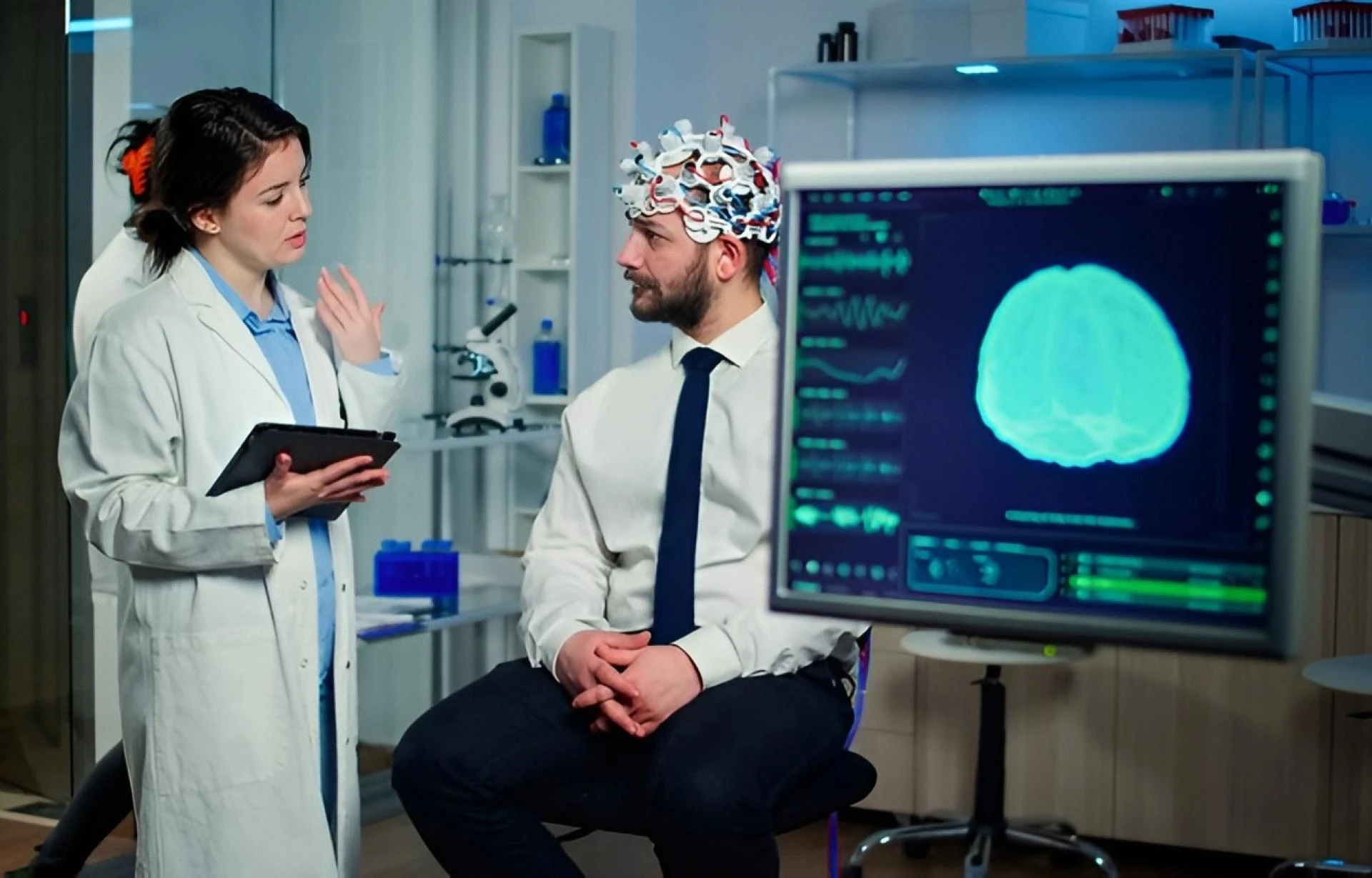

In recent years, alternative wellness methods have gained quite some momentum as individuals seek evidence-based approaches to managing stress and various physiological conditions. Among these methods, biofeedback has emerged as one of the most scientifically supported options, backed by decades of clinical research and neurological studies. This therapy offers measurable results through technology-driven monitoring and patient training, making it a credible choice.
But what exactly is it, where did it come from, and what can someone expect from it? These are the questions we seek to address in this article.
What is Biofeedback Therapy?
Biofeedback therapy is a clinical technique that monitors physiological functions and trains individuals to consciously regulate them. During sessions, electronic sensors measure specific bodily processes such as muscle tension, heart rate variability, brain wave patterns, skin temperature, and respiration rate. These measurements are displayed on a monitor in real time, allowing patients to observe their physiological responses as they occur.
The fundamental principle behind biofeedback rests on the connection between mental states and physical responses. When the brain receives immediate visual or auditory feedback about bodily functions, it can learn to modify those functions through focused attention and relaxation techniques. This process involves the autonomic nervous system, which typically operates without conscious control.
The therapy operates through established neurological pathways and stress-response mechanisms. No spiritual or energetic claims are involved. Instead, the method relies on measurable biological changes that can be tracked and verified through scientific instruments.
Historical Development of Biofeedback
The development of biofeedback began in the 1960s through collaborative research conducted by psychologists and neuroscientists. Early pioneers in the field included Neal Miller, who demonstrated that autonomic responses could be modified through operant conditioning, and Joe Kamiya, who conducted foundational research on brain wave training.
These initial studies took place primarily at universities and medical institutions across the United States. Researchers discovered that when individuals received immediate feedback about their physiological states, they could learn to alter functions previously thought to be entirely involuntary. The field expanded throughout the 1970s and 1980s as more refined monitoring equipment became available and clinical applications were developed.
By the 1990s, biofeedback had established itself as a legitimate therapeutic approach within mainstream medicine, with applications in pain management, rehabilitation, and stress-related disorders. The method continues to evolve with advances in sensor technology and digital monitoring systems.
The Process of Biofeedback Therapy
A typical biofeedback session follows a structured, clinical process. First, a patient is connected to electronic sensors that are placed on specific areas of the body depending on the physiological functions being monitored. These sensors are non-invasive and painless, typically attached with adhesive pads or finger clips.
Once connected, the sensors transmit data to monitoring equipment (like Quest 9) that displays the measurements on a screen. The patient can see graphs, numbers, or visual representations of their heart rate, muscle activity, or other functions in real time. These setups are now used by several clinical wellness centres offering Biofeedback Therapy in Gurugram, where a trained therapist then guides the patient through various techniques, which may include controlled breathing exercises, progressive muscle relaxation, or mental focus exercises.
As the patient practices these techniques, they observe immediate changes on the monitor. For example, someone with chronic stress may see real-time spikes in muscle tension and learn to gradually bring those levels down through conscious relaxation. Over multiple sessions, patients develop greater control and can eventually reproduce these responses without electronic monitoring.
Evidence-Based Benefits of Biofeedback Therapy
Clinical research has documented several benefits associated with biofeedback therapy. Studies have shown that regular practice can lead to stress reduction as patients learn to lower cortisol levels and manage their stress responses more effectively. The therapy provides support in managing anxiety by helping individuals recognise and modify the physical symptoms associated with anxious states.
Additional benefits include reduced muscle tension, particularly beneficial for individuals with tension headaches or chronic pain conditions. Many patients report improved sleep quality as they develop better control over arousal levels and relaxation responses. Research has also demonstrated biofeedback's effectiveness in providing support for migraine management, with some studies showing reduced frequency and intensity of episodes.
Beyond symptom management, biofeedback can improve focus and self-awareness by training individuals to recognise subtle physiological changes before they escalate. These benefits develop through consistent practice and do not represent immediate cures, but rather gradual improvements in self-regulation abilities.
Why Consider Biofeedback as a Wellness Option
Several practical factors make biofeedback an appealing option for individuals seeking clinical wellness approaches. The method is entirely non-invasive, requiring no medication or surgical procedures. Instead of relying solely on pharmaceutical interventions, biofeedback works by training the body's own regulatory systems.
The therapy provides measurable, visible results that patients can track throughout their treatment. This transparency allows individuals to observe their progress objectively rather than relying solely on subjective assessments. Furthermore, biofeedback helps develop long-term self-regulation skills that patients can apply independently after completing formal therapy sessions.
For those interested in accessing this therapy, Biofeedback therapy in Gurugram offers professional services utilising advanced monitoring technology. The method appeals particularly to individuals who prefer technology-driven, clinically validated wellness approaches with documented scientific foundations.
On a Final Note
Biofeedback therapy represents a reliable, evidence-backed method for individuals seeking greater control over their stress responses and physiological functions in 2025. With roots in established neuroscience and decades of clinical application, this approach offers a practical alternative for those interested in alternative wellness methods.













Sign in to leave a comment.