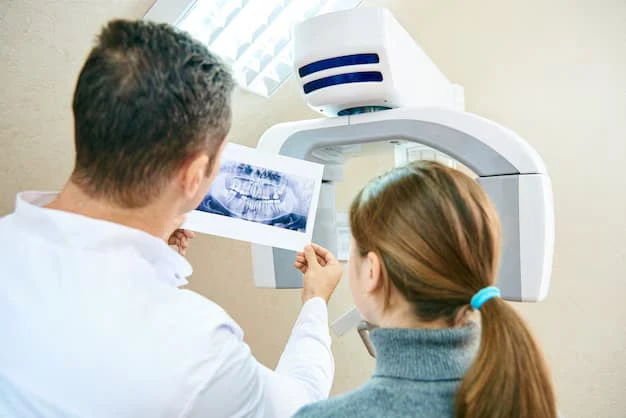

In the realm of modern dentistry, imaging technologies play a critical role in diagnosis, treatment planning, and patient management. One of the most advanced imaging techniques currently available is Cone Beam Computed Tomography (CBCT). This innovative technology has transformed the way dental professionals visualize and assess oral structures, making it an essential tool in contemporary dental practice. This article will delve into what CBCT dental imaging is, its significance, and how it benefits both dentists and patients.
1. Understanding CBCT Dental Imaging
Cone Beam Computed Tomography, commonly referred to as CBCT, is a specialized type of x-ray equipment that provides three-dimensional images of dental structures, soft tissues, and surrounding anatomy. Unlike conventional imaging methods, which typically produce two-dimensional images, CBCT allows for a volumetric view of the oral and maxillofacial regions.
How CBCT Works
- Cone-Shaped X-ray Beam: CBCT utilizes a cone-shaped x-ray beam that rotates around the patient’s head, capturing multiple images from different angles. This technique enables the scanner to create a detailed three-dimensional representation of the area being examined.
- Digital Imaging: The data collected is processed digitally, resulting in high-resolution images that can be manipulated, measured, and analyzed by dental professionals. This advanced imaging capability enhances diagnostic accuracy and treatment planning.
Comparison to Traditional Imaging
- Two-Dimensional vs. Three-Dimensional: Traditional dental x-rays, such as periapical and panoramic images, provide two-dimensional views, which can sometimes obscure important anatomical details. In contrast, CBCT offers a comprehensive three-dimensional perspective, allowing for better visualization of complex structures.
- Reduced Radiation Exposure: While traditional CT scans expose patients to higher levels of radiation, CBCT typically involves a lower dose, making it a safer option for both patients and practitioners.
2. Importance of CBCT in Dentistry
The significance of CBCT dental imaging extends across various aspects of dental care, from diagnostics to treatment planning and beyond. Here are some key reasons why CBCT is important in dentistry.
Enhanced Diagnostic Capabilities
- Detailed Visualization: CBCT provides a high level of detail that aids in the accurate diagnosis of dental conditions. It allows dentists to examine the bone structure, tooth position, and surrounding soft tissues in a way that traditional imaging cannot.
- Identification of Pathologies: With the ability to visualize the fine details of the oral and maxillofacial region, CBCT is invaluable in identifying pathologies such as tumors, cysts, and infections that may not be apparent on conventional x-rays.
Improved Treatment Planning
- Comprehensive Assessment: CBCT enables dentists to assess the spatial relationships of teeth, roots, and surrounding structures, facilitating more precise treatment planning. This comprehensive assessment is particularly beneficial in complex cases, such as dental implants or orthodontics.
- Guided Implant Placement: For dental implant procedures, CBCT provides essential information about bone density, volume, and the exact location of vital structures, thereby improving the predictability and success of implant placement.
Facilitation of Complex Procedures
- Surgical Planning: In cases where surgical intervention is necessary, CBCT assists in planning the approach, minimizing complications, and avoiding critical anatomical structures such as nerves and sinuses.
- Orthodontic Treatment: For orthodontists, CBCT helps in evaluating the position of teeth and roots, assessing skeletal relationships, and planning effective treatment strategies tailored to the individual patient.
3. Applications of CBCT in Dentistry
CBCT imaging has a wide range of applications across various dental specialties, enhancing the quality of care provided to patients. Here are some of the primary areas where CBCT is utilized:
Implant Dentistry
- Site Assessment: CBCT is instrumental in evaluating the bone quality and quantity at the implant site, ensuring that adequate space is available for successful implant placement.
- Surgical Guides: The three-dimensional images generated by CBCT can be used to create custom surgical guides, improving the accuracy of implant placement during surgery.
Endodontics
- Root Canal Therapy: CBCT assists endodontists in visualizing the complex anatomy of root canals, identifying additional canals, and detecting any pathology, leading to more effective treatment outcomes.
- Diagnosis of Periapical Pathology: The enhanced visualization capabilities of CBCT allow for the accurate diagnosis of periapical lesions, improving the management of endodontic issues.
Oral and Maxillofacial Surgery
- Surgical Planning and Reconstruction: Oral surgeons rely on CBCT for pre-surgical planning, assessing fractures, and reconstructive procedures. The detailed images help guide surgical interventions and improve patient outcomes.
- Pathology Detection: CBCT aids in detecting and diagnosing pathologies in the jaw and facial structures, providing crucial information for treatment planning.
Orthodontics
- Treatment Planning: Orthodontists utilize CBCT to evaluate tooth positions, assess dental and skeletal relationships, and plan effective treatment strategies for malocclusions.
- Monitoring Progress: The ability to create precise three-dimensional models enables orthodontists to monitor treatment progress and make necessary adjustments efficiently.
4. Benefits of CBCT for Patients
The advantages of CBCT extend beyond the dental practice, offering several benefits to patients as well.
Reduced Anxiety
- Comprehensive Explanations: With the detailed images provided by CBCT, dentists can explain conditions and treatment options more effectively. This clear communication can help alleviate patient anxiety and foster trust in the treatment process.
- Visual Aids: Patients can see their dental issues in three dimensions, making it easier for them to understand their condition and the proposed treatment. This visual understanding can enhance their comfort and compliance with treatment plans.
Faster Diagnosis and Treatment
- Efficiency: CBCT allows for quicker diagnoses, enabling dentists to initiate treatment promptly. This efficiency can lead to faster resolution of dental issues and improve overall patient satisfaction.
Personalized Care
- Tailored Treatment Plans: The detailed information obtained from CBCT imaging allows for customized treatment plans based on individual anatomical variations, ensuring that patients receive the most effective care for their specific needs.
CBCT dental imaging has emerged as a vital tool in modern dentistry, offering enhanced diagnostic capabilities, improved treatment planning, and better patient outcomes. Its ability to provide detailed three-dimensional images revolutionizes the way dental professionals approach patient care, making it an indispensable component of contemporary dental practice. As technology continues to advance, the role of CBCT in dentistry is likely to expand further, enhancing the quality of care and improving the overall patient experience. Whether in implant dentistry, endodontics, oral surgery, or orthodontics, CBCT imaging stands as a cornerstone of effective and efficient dental treatment.












Sign in to leave a comment.