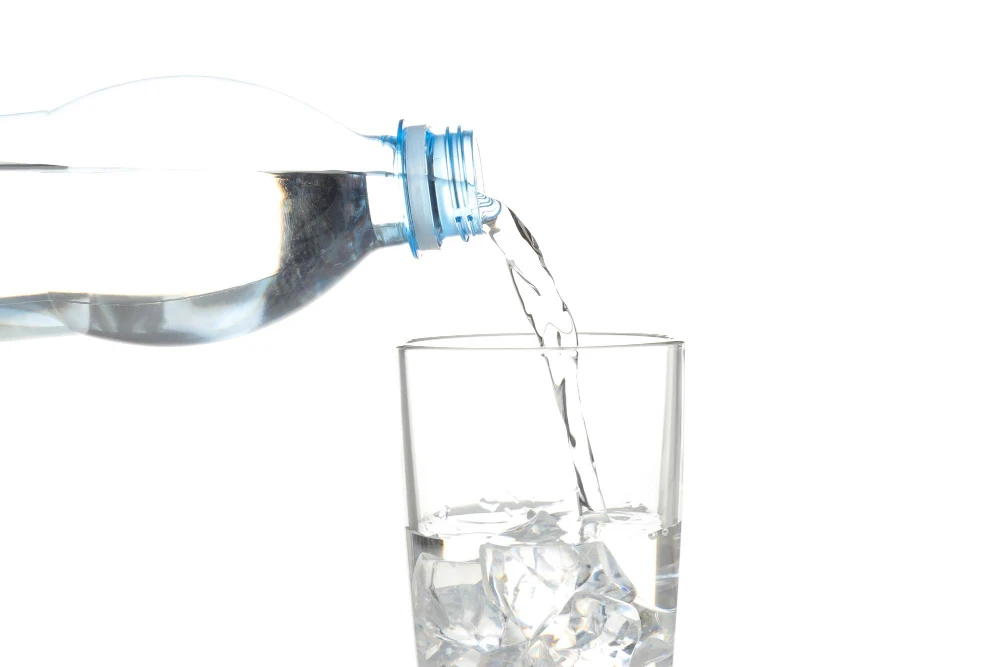

With so many types of purified and treated water available distilled, deionized, alkaline, mineral, and filtered many people wonder: what is the healthiest water to drink? While purification removes contaminants, some methods strip away essential minerals, leading to concerns about long-term health effects. This guide explores different types of drinking water and how they impact your health.
Different Types of Drinking Water
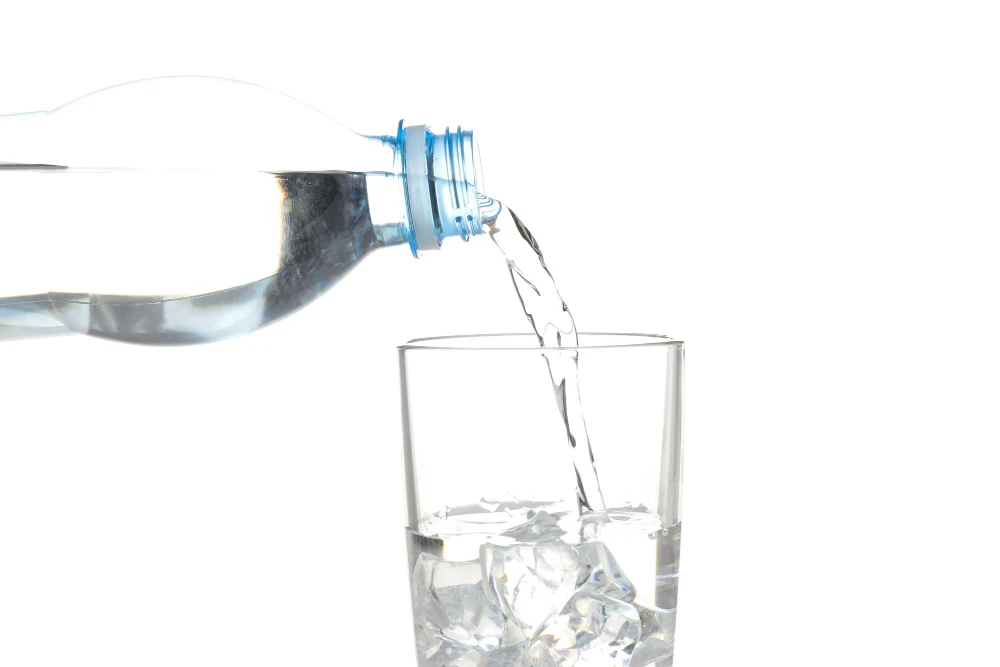
1. Tap Water
Tap water is the most accessible water source in many regions. While it often contains essential minerals, it may also have contaminants like chlorine, fluoride, and heavy metals.
Pros:
✅ Readily available
✅ Contains minerals (depending on location)
Cons:
❌ May contain pollutants and chemicals
❌ Requires filtration in some areas
2. Filtered Water
Filtered water is tap water that has gone through carbon, reverse osmosis, or other filtration methods to remove impurities.
Pros:
✅ Removes harmful substances like chlorine and lead
✅ Retains beneficial minerals (depending on the filter)
Cons:
❌ Some filters remove essential minerals
❌ Requires regular maintenance
3. Distilled Water
Distillation removes almost all impurities, including minerals, by boiling water and condensing the steam.
Pros:
✅ Free from bacteria and heavy metals
✅ Useful for medical and industrial applications
Cons:
❌ Lacks essential minerals
❌ Can taste flat or unnatural
4. Deionized Water
Deionized water (DI water) is purified through ion exchange, removing all charged particles, including beneficial minerals.
Pros:
✅ Highly purified for industrial use
✅ Free from most contaminants
Cons:
❌ Lacks essential minerals for health
❌ Not recommended for regular drinking
5. Alkaline Water
Alkaline water has a higher pH level and contains minerals like calcium, magnesium, and potassium. Some believe it provides health benefits, though scientific evidence is limited.
Pros:
✅ Contains beneficial minerals
✅ May help neutralize acidity in the body
Cons:
❌ Can be expensive
❌ Health benefits are still debated
6. Mineral Water
Mineral water is naturally sourced and contains essential minerals beneficial for health, such as calcium, magnesium, and potassium.
Pros:
✅ Provides essential nutrients
✅ Naturally filtered through rocks and soil
Cons:
❌ Can be expensive
❌ Environmental concerns with bottled options
Which Water is Best for Health?
For daily hydration, filtered or mineral water is the best option as it provides essential minerals while removing contaminants. If you drink distilled or deionized water, consider remineralizing it to maintain proper electrolyte balance.
Conclusion
Not all purified water is ideal for drinking. While deionized and distilled water are free from contaminants, they also lack essential nutrients. Choosing filtered or mineral-rich water ensures safe and balanced hydration.









Sign in to leave a comment.