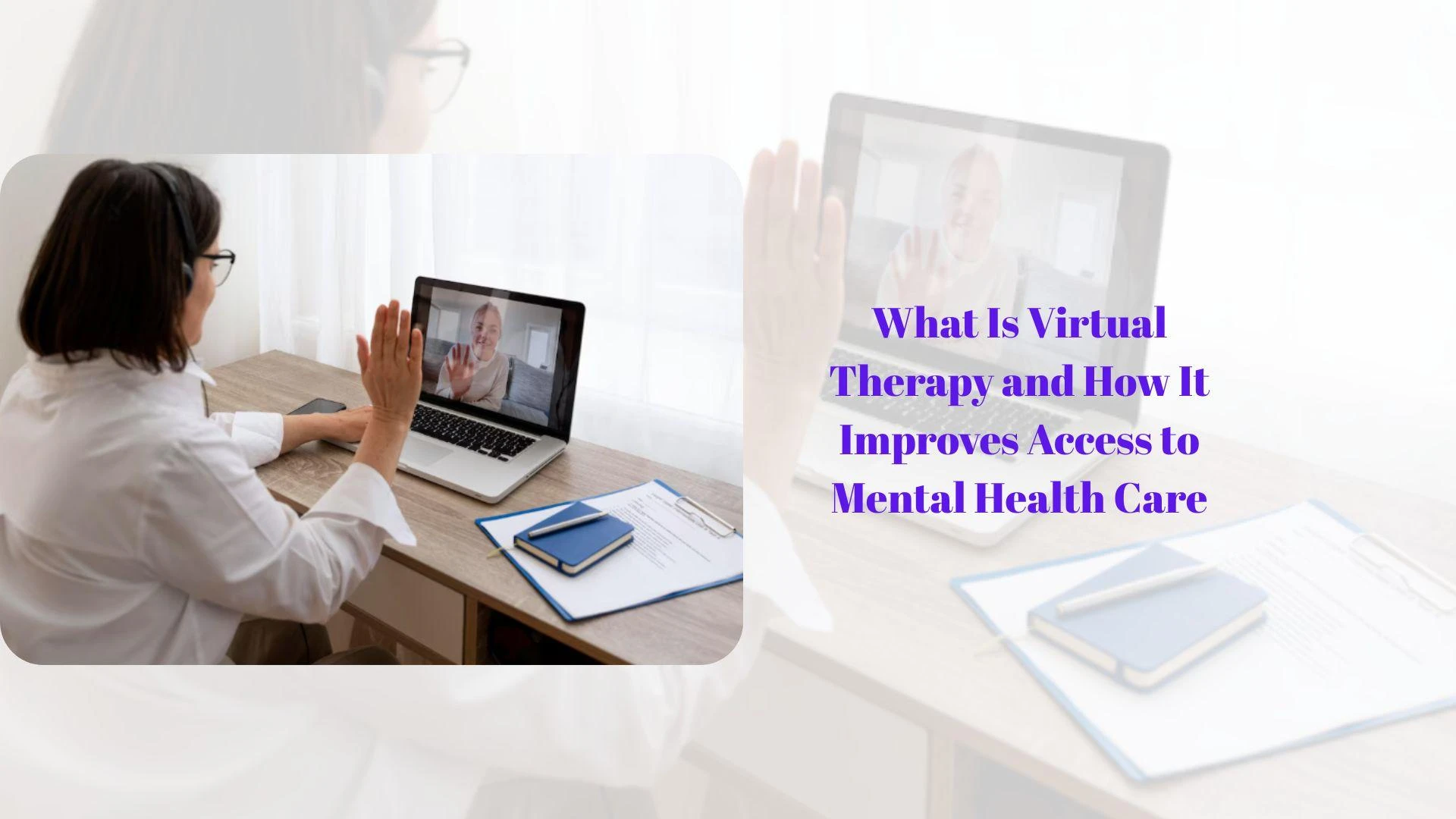

The state of mental health care has changed extensively over the last ten years, and one of the greatest influences that has occurred has been the development of virtual therapy. With the growing inclusion of technology in the lives of all individuals, therapy has branched out from the conventional office visit. This development has opened up mental health care to those who may have been barred by the numerous difficulties that existed.
What is Virtual Therapy?
To begin, it is necessary to define “what is virtual therapy?” Virtual therapy, also known as teletherapy or online therapy, is when the mental support of therapy is provided over digital platforms, such as video conferencing, through phone calls, or through messaging services. In virtual therapy, licensed therapists will provide similar support as in-person therapy sessions but without going to an actual physical location.
This approach has changed the way persons interact with mental health practitioners, especially persons who previously did not have an opportunity to access mental health services due to geographical and mobility constraints.
Overcoming Barriers of Geography
One of the most important ways that virtual therapy can increase access to mental care is the removal of geographical restrictions. Residents of rural areas or areas where there is a lack of easily accessible therapists may only be able to reach care in larger cities. Waiting lists may be long in some areas, with certain specialties possibly not even having an available local address.
With virtual therapy, patients are able to access specialists regardless of where they are in the world, as long as requirements are met for licensure. This ensures that more people receive care on time and not put it off because of distances.
Enhancing Flexibility in Busy Schedules
Many people often have schedules that make it hard for them to visit therapists. This may be due to tasks at their place of work, parenting, and many other activities. Online therapy provides ease in terms of time, as it can be done in between, in the evening, or at home.
This is helpful because consistency is easier when people can take their therapy sessions with them. The more therapy integrates with a person’s life, the more they will make their mental health a priority.
Reducing Transportation and Mobility Challenges
Transportation can also be another major hurdle in seeking mental health care. People who lack access to transportation, whether due to physical disabilities, chronic illnesses, or mobility issues, can find in-person meetings challenging and arduous.
Virtual therapy obviates the need to travel or park the car. The convenience of mental support through virtual therapy is a great benefit since it is more inclusive. The seniors, as well as people dealing with various ailments, find travelling stressful.
Supporting People With Anxiety or Social Difficulty
Some people would find going to a therapist's clinic intimidating. Some people with social phobias, panic disorders, and trauma-related issues may find human interactions difficult. Online therapy gives people the opportunity to benefit from therapy sessions from a personal and safe space that initially feels less intimidating to start with.
Such a feeling of comfort can enable a client to open up easily, especially during initial sessions with the therapist. Consequently, online therapy can act as a stepping stone to offer care to those who are likely to stay away from care altogether.
Enhancing Continuity of Care
Life changes such as moving, traveling, or unexpected interruptions may impede traditional therapy. Online therapy ensures continuity of therapy since the client can still maintain the same therapy relations regardless of the changes in life.
Involving the same therapist in each session builds trust, growth, and emotional security. This becomes an aspect of great importance to people battling long-term psychological issues or experiencing transitions in their lives.
Increased Options for Specialized Care
Access to specialists such as therapists in trauma, eating disorders, and child/adolescent counseling could be limited in traditional therapy. Online therapy expands this to specifically connect clients with therapists who specialize in certain areas, even if they are not in their location.
This open-ended choice allows people to seek out therapists with whom they have more in common in terms of their needs, cultural backgrounds, and treatment preferences.
Removing the Stigma from Mental Illness Treatment
Stigma can be an issue that dissuades many individuals from accessing mental health care. Teletherapy provides an element of privacy that can be more appealing to individuals who would not feel comfortable being viewed entering a therapy room or sharing problems in public.
The fact that therapy can now also discretely be conducted at home contributes to making mental health care something that should collectively feel open and accepting, as it no longer has to happen behind closed doors.
Cost and Accessibility Factors
On the other hand, virtual therapy can also help in cutting down the indirect expenses involved in mental health treatment, such as travelling, child care, or absences from employment with no pay. Even though the charges per session are more or less the same as traditional therapy, the overall cost impact can be lower.
At the same time, a lot of insurance companies are now offering coverage for online therapy. This has increased the affordability and accessibility of therapy.
Limitations & Notable Factors
Although there are numerous advantages of virtual therapy, it may not always be applicable in every case. People dealing with extreme situations of mental health or those in need of personal assistance might require different treatment options. Availability of internet and privacy in the household are also considerations in this regard.
The best mental health professional to consult for determining whether online therapy is appropriate is a trained mental health professional.
The Future of Mental Health Access
Virtual therapy sessions are not just an interim arrangement; they are actually the shift towards the future of how mental therapy should be offered. Additionally, they provide greater ease of access to mental therapy because they eliminate physical, logistical, and emotional hurdles.
While technology improves and more people are made aware of it, virtual therapy will continue to play an important role in helping people gain access to mental health services, helping those who need it gain the help they rightfully deserve at the time they need it.













Sign in to leave a comment.