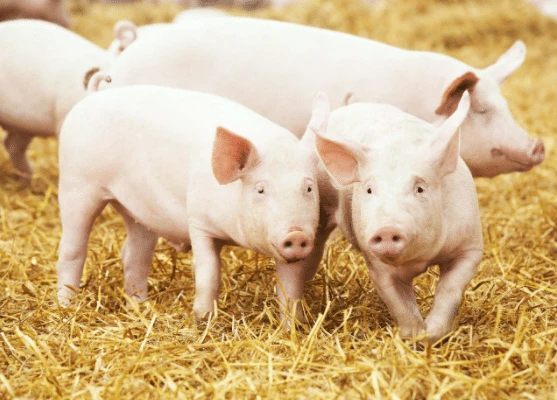

We all know that environmental changes in pig farms have a considerable impact on the growth rate and development of pigs raised. The main environmental factors affecting the growth of pigs are temperature and humidity, carbon dioxide concentration, ammonia concentration, and light intensity. In order to ensure For the normal growth of live pigs, the current pig farms basically use temperature and humidity sensors, carbon dioxide sensors, ammonia gas sensors (ammonia gas concentration detectors), light intensity sensors (light intensity detectors), etc. to detect the environment in the pig farms factor. These sensors are used in conjunction with the pig breeding environment monitoring system. When the environmental quality becomes poor, the monitoring system in the farm will link the equipment to automatically adjust the environment, so as to achieve the function of monitoring and controlling the pig farm environment by using the pig farm environmental monitoring system.
It can be seen from the above that to do a good job in monitoring the environment of pig farms, the sensors generally used are about temperature and humidity sensors, carbon dioxide sensors (carbon dioxide concentration detectors), ammonia gas sensors (ammonia gas concentration detectors), and light intensity sensors. (Light intensity detector), etc., through the monitoring and data collection of the above sensors, combined with the pig farm IoT control system, the environment of the pig farm can be easily managed and controlled. The following small series will give you a detailed introduction to several commonly used sensors:
1 Temperature and humidity sensor
The temperature and humidity sensor is the most used sensor in the agricultural Internet of Things. Most of the agricultural environment monitoring system needs to use the temperature and humidity sensor. The temperature and humidity sensor is a network-type transmitter using a digital temperature and humidity sensor, which converts the temperature and humidity in the pig farm into corresponding digital signals, which can be connected through a wired network to upload the temperature and humidity data to the host. for real-time monitoring.
The temperature and humidity sensor for pig farms can accurately measure the temperature and humidity in the pig house. According to the temperature and humidity requirements for the growth of pigs in the house, when the temperature and humidity in the pig house is too high or too low, it will start cooling, dehumidification or heating in time. Add humidity to ensure a reasonable temperature and humidity in the pig house.
2 Illuminance sensor
The control of light intensity and light time through illuminance transmission, control of light intensity and light time. Extending the light time or increasing the light intensity can enhance the function of the adrenal cortex of pigs, improve immunity, promote appetite, enhance the digestive function of piglets, and improve the rate of weight gain and survival rate of piglets.
3 Ammonia gas sensor (ammonia gas concentration detector)
Ammonia gas content is very important to the growth of pigs. Ammonia gas is one of the most harmful gases in pig houses. The level of ammonia gas concentration will directly affect the growth and development of pigs and the ability to resist viruses. The general ammonia gas sensor is equipped with a buzzer alarm device. When the ammonia gas concentration exceeds the standard, the buzzer will sound an alarm to remind the pig farm managers that the ammonia gas concentration needs to be adjusted.
4 CO2 sensor (CO2 concentration tester)
Carbon dioxide concentration is also very important to the growth of pigs. Excessive carbon dioxide content in pig farms will cause chronic hypoxia, weak physique, and susceptibility to various chronic infectious diseases. The carbon dioxide detector with digital display function can visually see the carbon dioxide concentration in the house.
The environmental regulation of the pig breeding environment can be roughly divided into the regulation of temperature and humidity, the regulation of harmful gases and the regulation of light intensity. The sensors described above are commonly used in pig farms. After these monitoring equipment is linked with intelligent control equipment, it can be called a complete pig farm environmental monitoring system, which can completely realize the monitoring from pig breeding environmental data. , to data recording, to data analysis and processing, and then to a complete set of actions to feed back to the control equipment. The use and construction of such equipment and systems can increase the benefits of pig farms.
0










Sign in to leave a comment.