
When it comes to nurturing young talent in soccer, the environment in which children learn and develop their skills is paramount. A great soccer school for kids can provide the foundation for not only athletic prowess but also essential life skills such as teamwork, discipline, and perseverance. Parents looking to enroll their children in a soccer school must consider several factors that contribute to an effective and enriching learning experience. This article will explore the key components that make a soccer school exceptional, ensuring that children not only improve their soccer abilities but also cultivate a lifelong passion for the sport.
Qualified and Passionate Coaching Staff
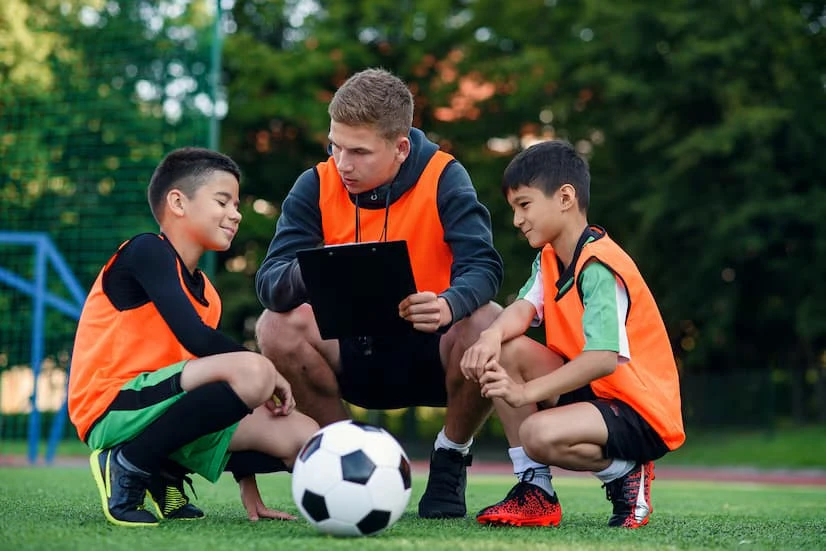
One of the most critical elements of a great soccer school is the quality of the coaching staff. The coaches play a pivotal role in shaping a child's experience and development in soccer. Qualified coaches who possess both technical knowledge and a passion for the game can inspire young athletes to reach their potential. When evaluating a soccer school, parents should inquire about the qualifications and experience of the coaching staff.
Effective coaches understand the importance of creating a positive and supportive environment where children feel safe to express themselves and learn from their mistakes. They should be skilled in teaching fundamental techniques while also instilling a sense of sportsmanship and fair play. Furthermore, coaches who prioritize communication and interpersonal skills can create strong bonds with their players, fostering trust and motivation. A soccer school that invests in its coaching staff demonstrates a commitment to the long-term development of its athletes, ensuring that children receive the guidance and support they need to thrive.
Age-Appropriate Training Programs
Another essential aspect of a great soccer school is the implementation of age-appropriate training programs. Children develop at different rates, and training must be tailored to their specific age and skill level. A well-structured curriculum that gradually introduces new skills and concepts is vital for keeping young players engaged and motivated.
For younger children, training should focus on fundamental skills such as dribbling, passing, and shooting. Fun, game-like activities that emphasize playfulness can help nurture a love for the game while building foundational skills. As children progress to older age groups, training can evolve to include more complex tactics, positional play, and competitive scenarios. Ultimately, a soccer school that adapts its training programs to suit the developmental stages of its players will foster an environment where children can flourish and build their confidence on the field.
Emphasis on Skill Development and Personal Growth
A great soccer school goes beyond merely teaching technical skills; it also places a strong emphasis on personal growth and character development. Soccer is a sport that inherently teaches valuable life lessons, and an effective soccer school harnesses these lessons to help children grow both as players and individuals.
Coaches should encourage players to set personal goals, work hard, and learn from their experiences. This process not only builds resilience but also fosters a sense of responsibility and accountability. Moreover, teaching players the importance of teamwork, respect, and sportsmanship helps instill a strong moral compass that extends beyond the soccer field.
By cultivating an atmosphere that prioritizes personal growth alongside skill development, a soccer school can create well-rounded athletes who are prepared to face challenges both in sports and in life. Parents should look for programs that incorporate character-building activities and discussions, ensuring that their children are not only becoming better soccer players but also becoming better people.
Access to Quality Facilities and Resources
The facilities and resources available at a soccer school can significantly impact the training experience for young players. Access to well-maintained fields, training equipment, and educational resources is essential for fostering skill development. Parents should consider visiting the soccer school to assess the quality of its facilities.
Fields should be safe and adequately maintained, providing a conducive environment for practice and games. Additionally, access to training equipment such as cones, balls, and goals can enhance the overall training experience. A soccer school that invests in its facilities demonstrates a commitment to providing the best possible environment for its players.
Furthermore, consider whether the school offers additional resources, such as video analysis, fitness training, or nutrition education. These resources can significantly enhance a child's understanding of the game and contribute to their overall development as athletes. A well-equipped soccer school provides the tools necessary for players to excel and reach their full potential.
A Supportive Community and Team Culture
The culture of a soccer school plays a significant role in shaping a child's experience. A supportive and inclusive community fosters a sense of belonging, allowing young players to thrive both on and off the field. When evaluating a soccer school, parents should pay attention to the interactions among players, coaches, and families.
A positive team culture encourages teamwork, camaraderie, and mutual respect among players. Coaches should promote an environment where athletes support one another, celebrate their successes, and learn from their failures. Engaging with current players and their families can provide valuable insights into the school's culture and dynamics, helping parents gauge whether it aligns with their child's needs and values.
Additionally, a soccer school that fosters strong connections among families often creates a sense of community that extends beyond the field. Social events, team-building activities, and parent involvement can enhance the overall experience for both players and their families, making soccer a shared journey that strengthens bonds and creates lasting memories.
Opportunities for Competition and Growth
While personal development is essential, a great soccer school also provides opportunities for competition. Participating in games and tournaments allows young players to apply their skills in real-game scenarios, fostering growth and resilience. Parents should inquire about the league affiliations and competitive opportunities offered by the soccer school, as these experiences can be invaluable for a child's development.
However, it is important to ensure that the emphasis on competition does not overshadow the joy of playing the game. A well-balanced soccer school will prioritize player development while providing avenues for competition. Coaches should create a culture where winning is celebrated, but personal and team growth is valued just as highly. This approach ensures that children remain passionate about soccer while learning to navigate the challenges and rewards of competitive play.
Commitment to Inclusivity and Diversity
Inclusivity and diversity are vital components of a great soccer school. A program that welcomes players from various backgrounds and skill levels creates a rich learning environment and fosters understanding among children. When evaluating soccer schools, parents should consider the school's commitment to inclusivity and how it promotes diversity within its programs.
Encouraging participation from children of all abilities and backgrounds not only enriches the experience for all players but also teaches valuable lessons about respect, empathy, and collaboration. A soccer school that actively promotes inclusivity cultivates a sense of community and belonging, allowing every child to feel valued and supported on their soccer journey.
Conclusion
Finding the right soccer school for kids is an important decision that can significantly impact their development as players and individuals. By considering factors such as qualified coaching staff, age-appropriate training programs, emphasis on personal growth, quality facilities, supportive community, competitive opportunities, and commitment to inclusivity, parents can make informed choices that benefit their children.
A great soccer school not only enhances athletic skills but also instills essential life lessons that extend beyond the sport. As parents embark on this journey, they should seek an environment that nurtures their child's love for soccer while providing the tools needed for success.
If you are looking for a soccer school that prioritizes player development, enjoyment, and community, consider Soccer Stars. Join us today and watch your child thrive on the field, building friendships and skills that will last a lifetime!











Sign in to leave a comment.