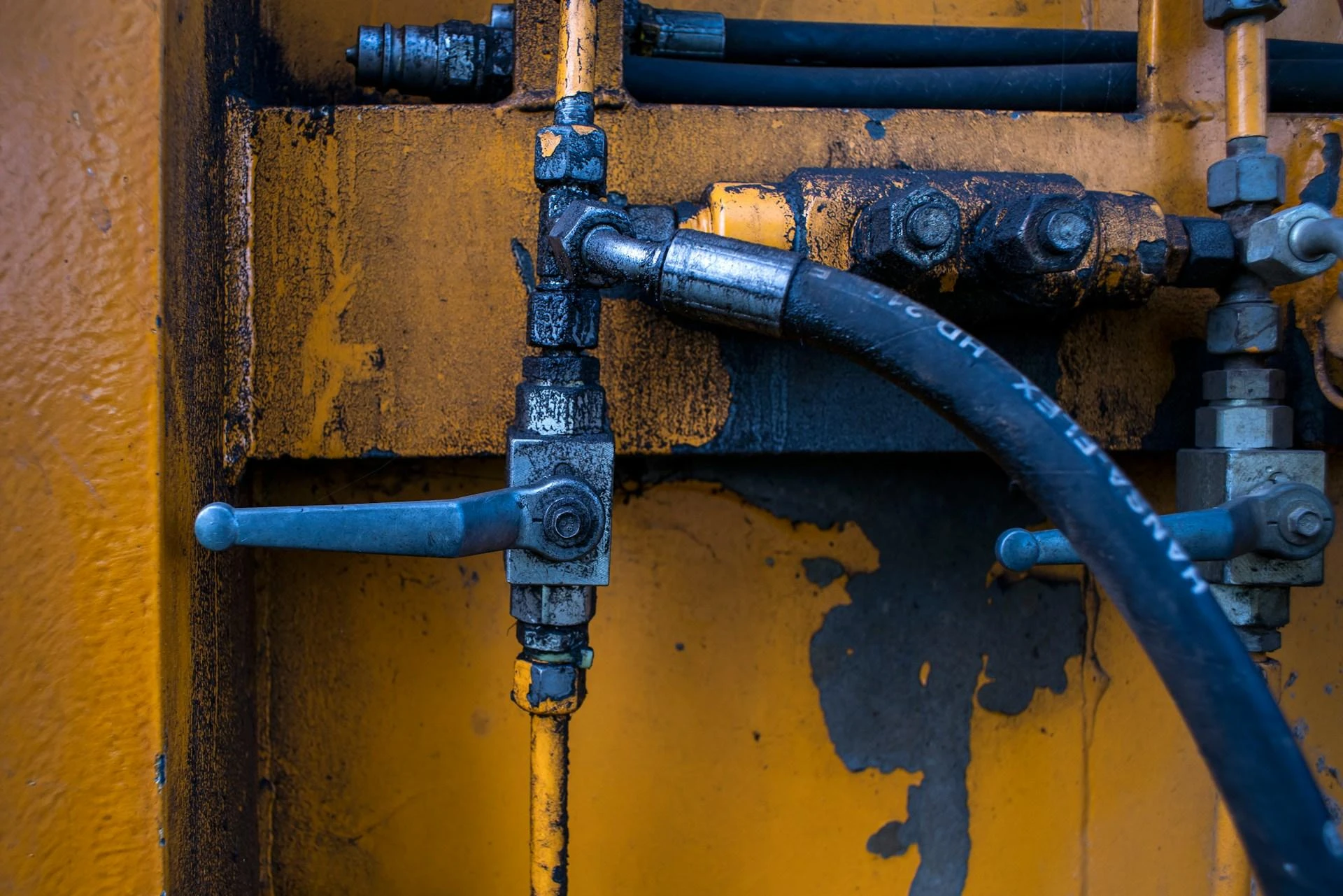

Whether your firm relies heavily on massive presses and material-handling equipment or operates new-age metal injection molding machines, hydraulic systems are virtually everywhere in industrial machinery. As common as they are, quality can vary greatly between two different machines, and being able to spot a reliable hydraulic system can make all the difference.
What Makes a Hydraulic System Reliable
A few key factors set good hydraulic systems apart from the great, and identifying them requires thinking about the broader systems involved in hydraulics rather than treating them as standalone machinery.
Fluid Cleanliness
Major industry studies report that approximately 80-90% of hydraulic failures are caused by fluid contamination. This includes:
- Air contamination (either through cavitation or aeration), creates a spongy response.
- Solid particles, such as dust, can quickly abrade cylinder seals and valves.
- Contaminated water poses a significant threat to hydraulic systems, as it can accelerate oil oxidation and cause cavitation.
A reliable hydraulic system will maintain fluid cleanliness at ISO 4406 code 16/14/11 or cleaner (for high-response systems).
Effective Temperature Control
When the temperature in a hydraulic system rises, the hydraulic oil viscosity tends to drop dramatically. This also significantly increases the likelihood of issues such as poor lubrication, accelerated wear, and internal leaks, making hydraulic seal kits a necessity.
A reliable hydraulic system incorporates adequately sized heat exchangers (either air- or water-based), accounts for proper reservoir volume, provides thermal bypass valves to counter cold-start damage, and generally avoids running continuously under high pressure that might generate excessive heat.
Dry Systems
Good hydraulic systems run dry. Often termed the ‘silent killer’ by experts, you’ll see water enter unreliable hydraulic systems through condensation and poor breathers, among many other issues.
Typically, specialists follow installation best practices to ensure acceptable PPM levels, including:
- Water-absorbing filtration elements (when needed)
- Desiccant breathers replace standard filler caps, effectively preventing moisture and debris from entering reservoirs.
- Planning for regular water testing.
Component Selection and System Design
You can’t have true reliability unless you’re planning for it from step 1 on the engineering drawing board. That means making deliberate choices that avoid operating components at their limits, for example. Key components like valves and pumps should carry reasonable service factors rather than being expected to run constantly.
Similarly, other critical design elements could include properly set pressure relief valves (including proper testing) and correctly pre-charged accumulators. Some manufacturers intentionally oversize components (such as reservoirs) to extend life and reduce stress.
Condition-based Maintenance
Even the best hydraulic systems are bound to deteriorate and perform poorly over time without attentive care. Purely calendar-based maintenance approaches just don’t deliver optimal results in most industrial scenarios, and a shift to a condition-based model can be a huge driver of reliability.
What does that look like, in action?
- Regular oil analysis and AI tools to monitor particle count and water content
- Elemental spectroscopy to look for early signs of wear and tear
- Using ultrasound to detect cavitation and/or internal leaks
Operator Training
Proper maintenance and effective operation are two sides of the same coin, and the operator forms a crucial part of any system used in industrial machinery. Knowledgeable personnel can catch emerging issues significantly earlier and prevent self-inflicted damage before it occurs.
Effective operations rely on hands-on instruction in fluid-handling practices and proper sampling techniques. If you empower your operators and maintenance staff to understand a hydraulic system’s sensitivities and to respect its best practices, it becomes much easier to address small problems before they turn into costly failures.
Hose Integrity
Hydraulic fittings and hoses are incredibly common points of failure in unreliable industrial systems and can result in major fluid loss, leaks, and, of course, contamination ingress. How is hose integrity compromised even in reliable systems?
- External damage from abrasion or crushing
- Long-term UV/chemical exposure
- Internal fatigue from repeated pressure cycles
A reliable system/operation will treat hoses as consumables, proactively investing in abrasion-resistant covers where needed; for example. This also ties back to our earlier focus on condition-based maintenance. Ideally, you want to implement automation and periodic replacement programs based on cycles/hours, rather than waiting for visible damage.
Reliable Hydraulic Systems Start From Zero
The bigger picture emerging here is all about the basics. You get reliable hydraulic systems when fundamentals like proactive maintenance, proper training, and zero-compromise installation are followed. When these elements are present in the system, industrial machinery can deliver the results that successful operations rely on.










Sign in to leave a comment.