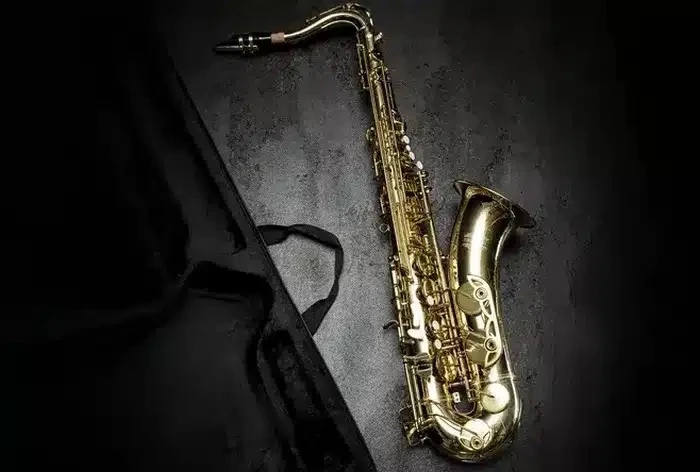

Achieving a warm, rich sound on the Tenor Saxophone is a goal shared by many players across jazz, classical, and contemporary genres. Warmth in tone is often described as full-bodied, rounded, dark, and resonant, with minimal edge or shrillness. While reed strength, ligature choice, and embouchure technique all contribute to tonal character, the mouthpiece remains the most influential component in shaping sound color.
Selecting the best mouthpiece for warmth requires understanding how tip opening, chamber size, baffle shape, facing length, and material interact with airflow and vibration. A well-matched mouthpiece can transform the voice of a Tenor Saxophone from bright and piercing to lush and velvety. Conversely, an ill-suited mouthpiece may limit tonal depth and flexibility.
Understanding What Creates a Warm Tenor Saxophone Sound
Defining Warmth in Tone
Warmth in saxophone tone typically implies a darker timbre with strong fundamental frequencies and controlled overtones. Instead of projecting aggressively, a warm sound envelops the listener with smoothness and richness. This tonal quality is often favored in ballads, traditional jazz, and classical repertoire.
The Tenor Saxophone naturally possesses a deeper tonal range than alto or soprano models. However, the inherent warmth of the instrument can be enhanced or diminished depending on mouthpiece design. Certain configurations amplify high-frequency overtones, resulting in brightness, while others emphasize the lower spectrum for a darker sound.
The Role of Airflow and Resonance
A warm tone depends on stable airflow and efficient resonance within the mouthpiece chamber. When air moves smoothly through the chamber and into the instrument’s body, vibrations develop fully and evenly. Mouthpieces designed for warmth typically encourage a broad, open air column rather than restricting or accelerating it sharply.
Resonance is influenced by the internal shape of the mouthpiece. Larger chambers and lower baffles generally promote depth and roundness, whereas smaller chambers and high baffles create brilliance and projection.
Key Mouthpiece Design Elements for Warmth
Chamber Size and Shape
Chamber size plays a central role in tone production. Large chamber mouthpieces are often associated with darker, warmer sounds. The expanded internal space allows air to circulate more freely, enhancing lower harmonics and reducing brightness.
Vintage-inspired designs frequently incorporate large round chambers to replicate classic jazz tones. These mouthpieces tend to produce a mellow and centered sound on the Tenor Saxophone, making them popular among players seeking warmth.
Smaller chambers, by contrast, concentrate airflow and increase upper harmonics. While this can be desirable for cutting through amplified ensembles, it generally reduces tonal warmth.
Baffle Design
The baffle refers to the contour inside the mouthpiece just behind the tip opening. Low or rollover baffles typically contribute to a warm tone. They allow air to enter the chamber smoothly without abrupt redirection.
High step baffles, often found in contemporary jazz mouthpieces, generate brightness and projection by accelerating airflow. While powerful and dynamic, they tend to sacrifice some of the depth associated with warmth.
For a warm Tenor Saxophone sound, mouthpieces with minimal or gently curved baffles are generally preferred.
Tip Opening and Facing Length
Tip opening determines how far the reed sits from the mouthpiece tip. Moderate tip openings are commonly recommended for players seeking warmth and control. Extremely wide tip openings can create volume and flexibility but may require stronger reeds and more embouchure strength, potentially leading to brightness if not managed carefully.
Facing length also influences tonal character. A longer facing often provides a more flexible and subtle response, contributing to a rounded sound. Shorter facings may increase immediacy and brightness.
Balancing tip opening with reed strength is essential. A softer reed paired with a moderate tip opening can encourage a smooth, resonant tone without excessive edge.
Material Considerations and Their Impact
Hard Rubber Mouthpieces
Hard rubber, often referred to as ebonite, is widely favored for warm tonal qualities. Many classical and traditional jazz players choose hard rubber mouthpieces for their ability to produce a dark, complex sound.
Although material alone does not determine tone, hard rubber tends to absorb certain high-frequency vibrations subtly, contributing to perceived warmth. Combined with large chamber design, it remains a leading choice for achieving a classic Tenor Saxophone sound.
Metal Mouthpieces
Metal mouthpieces are frequently associated with brighter, more projecting tones. However, this reputation stems largely from their typical design features rather than material alone.
Metal mouthpieces with large chambers and low baffles can still produce warmth. Their increased mass may enhance projection while maintaining tonal depth. For players performing in larger ensembles, a carefully selected metal mouthpiece can balance warmth with presence.
Genre-Specific Mouthpiece Choices
Jazz Ballad and Traditional Jazz
In traditional jazz settings, warmth is often essential. Many players gravitate toward vintage-style mouthpieces with round chambers and gentle baffles. These designs support expressive phrasing and lyrical playing.
The Tenor Saxophone has long been associated with warm jazz tones characterized by smooth vibrato and rich subtone. Mouthpieces that encourage a strong low register and controlled dynamics help achieve this aesthetic.
Classical Performance
Classical saxophonists typically prioritize tonal purity and blend. Mouthpieces designed for classical use emphasize stability and centered sound. Hard rubber models with moderate tip openings are standard choices.
Warmth in classical contexts is balanced with clarity and intonation. The ideal mouthpiece supports precise articulation while maintaining depth.
The Importance of Player Technique
Embouchure and Air Support
Even the most carefully chosen mouthpiece cannot guarantee warmth without proper technique. Embouchure stability, breath support, and voicing all shape tonal outcome.
A relaxed yet firm embouchure encourages full reed vibration. Overly tight embouchure pressure may choke the sound, introducing harshness. Consistent diaphragmatic breathing supports steady resonance.
Reed Selection
Reed strength and cut significantly influence tonal color. Softer reeds often produce a more open and warm tone, while harder reeds may add resistance and brightness.
Matching reed strength to mouthpiece tip opening is essential. An imbalanced setup can undermine the tonal qualities the mouthpiece is designed to produce.
Testing and Personal Preference
Trying Multiple Configurations
Because every player’s physiology differs, no single mouthpiece universally guarantees warmth. Testing multiple models under consistent conditions provides valuable insight.
Room acoustics also affect perception. A mouthpiece that sounds dark in a small practice room may project differently in a performance hall.
Long-Term Adaptation
It often takes time to adapt to a new mouthpiece. Immediate impressions may not reflect long-term potential. Allowing a period of adjustment helps reveal whether the mouthpiece truly supports a warm Tenor Saxophone tone.
Conclusion
The best mouthpiece for a warm Tenor Saxophone sound combines thoughtful design with appropriate player technique. Large chamber configurations, low or rollover baffles, moderate tip openings, and hard rubber construction are commonly associated with warmth and depth. However, material alone does not define tone; internal geometry plays the most significant role.
Ultimately, warmth emerges from the synergy between mouthpiece design, reed choice, airflow, and embouchure control. By carefully evaluating these factors and allowing time for adaptation, players can cultivate the rich, enveloping tone that defines the most admired Tenor Saxophone performances.

Sign in to leave a comment.