

Finding the right support services for a child can feel overwhelming for many parents. Whether a child needs help with motor skills, sensory processing, or everyday tasks, choosing the right professional support is crucial. One of the most valuable professionals families often seek is a paediatric occupational therapist, who specialises in helping children develop the skills they need for daily life, learning, and independence.
However, not all services offer the same level of care, expertise, or accessibility. When searching for local support options, parents should consider key factors to ensure their child receives effective and compassionate assistance. Below are key factors to consider when selecting the right service.
Understand the Role of a Paediatric Occupational Therapist
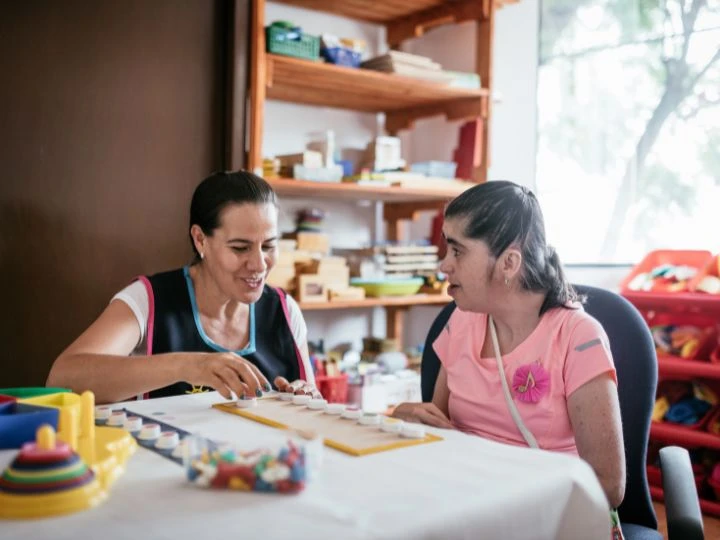
Before choosing a service, it’s important to understand how a paediatric occupational therapist can support a child’s development. These specialists work with children who may experience challenges with:
- Fine motor skills, such as writing or using scissors
- Sensory processing and regulation
- Coordination and balance
- Daily tasks like dressing, eating, or self-care
- Social participation and school readiness
A qualified occupational therapist creates tailored therapy plans designed to help children gain independence and confidence in their everyday activities.
Look for Relevant Qualifications and Experience
When researching local child support services, one of the first things parents should review is the therapists' professional backgrounds.
Key qualifications and experience to consider include:
- Accredited university training in occupational therapy
- Registration with recognised professional bodies
- Specific experience working with children
- Ongoing professional development in paediatric care
Therapists who regularly work with children often have specialised techniques and strategies that make therapy sessions more engaging and effective.
Check for Individualised Treatment Approaches
Every child develops differently, which means therapy should never be a one-size-fits-all solution. A reputable paediatric occupational therapist will conduct detailed assessments before recommending therapy plans.
Parents should look for services that:
- Perform thorough developmental assessments.
- Set clear, achievable goals for the child.
- Adjust therapy strategies as progress is made.
- Involve parents in the therapy process.
Personalised treatment plans ensure therapy focuses on each child's specific needs rather than applying generic strategies.
Consider Accessibility and Location
Convenience can play a major role in maintaining consistent therapy sessions. Families often benefit from services that are located close to home, school, or childcare centres.
Local support services offer several advantages:
- Reduced travel time and stress for families
- Easier scheduling of regular sessions
- Opportunities for school-based collaboration
- Greater consistency in therapy routines
Searching for a nearby occupational therapist can help families maintain regular appointments, which is important for long-term progress.
Evaluate Communication and Family Involvement
Successful therapy extends beyond the clinic. Parents and caregivers play an essential role in supporting a child’s development at home.
When selecting a service, consider whether the therapist:
- Communicates clearly about progress and goals
- Provides practical strategies for home practice
- Encourages parent participation during sessions
- Shares regular progress updates
Open communication ensures parents understand their child’s development and feel confident continuing activities outside therapy sessions.
Read Reviews and Community Feedback
Online reviews and local recommendations can provide valuable insights into the quality of a service. Parents may wish to check:
- Testimonials from other families
- Feedback about therapist communication and care
- Clinic reputation within the community
While every child’s needs are different, positive experiences from other families often indicate reliable and supportive services.
In summary, choosing the right child support services can significantly influence a child’s developmental journey. A skilled paediatric occupational therapist can provide targeted support to help children improve their daily skills, confidence, and participation in school and social activities.
When searching for services, parents should prioritise qualified professionals, personalised therapy plans, accessible locations, and strong communication with families. Taking the time to evaluate these factors helps ensure children receive the care and guidance they need to thrive.
With the right support in place, families can feel confident that their child is building important skills for long-term success.













Sign in to leave a comment.