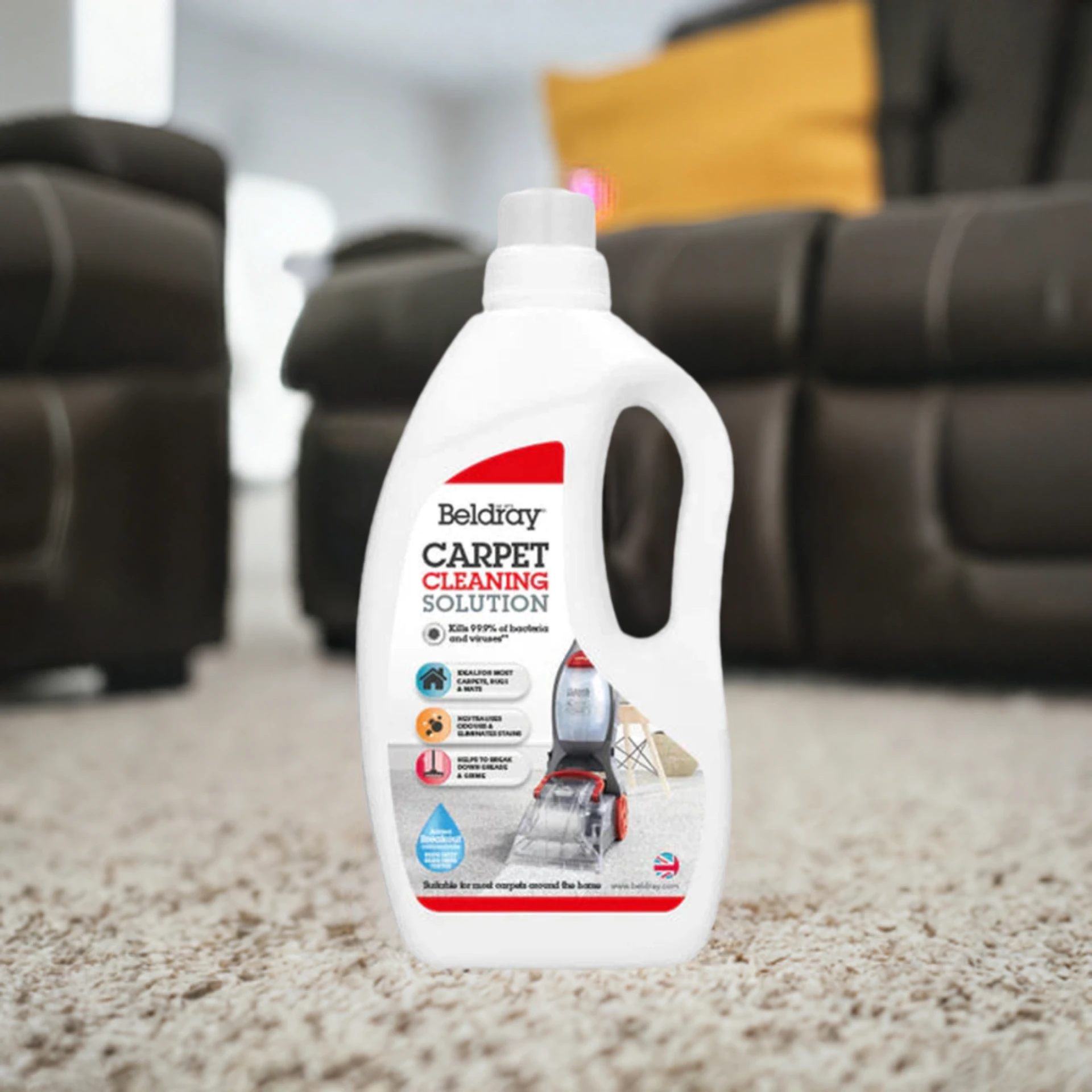
Carpet cleaner fluid is a vital tool for maintaining clean, fresh carpets, but have you ever stopped to wonder what’s in it? Commercial carpet cleaning products can be packed with chemicals, some of which may have side effects on your health, your pets, or the environment.
In this article, we’ll break down the common ingredients found in carpet cleaner fluids and help you understand what they do.
1. Surfactants:
Surfactants are the primary cleaning agents in most carpet cleaner fluids. They work by breaking down oils, dirt, and grease, which are otherwise hard to remove from carpet fibers. Surfactants lower the surface tension between the carpet fibers and the dirt, allowing the dirt to be suspended in water so it can be removed.
Common Surfactants:
- Nonionic Surfactants: These are the most commonly used surfactants in carpet cleaners. They are effective at breaking down dirt and grime without being harsh on your carpets.
- Anionic Surfactants: These are typically found in stronger cleaners because they’re more effective at cutting through grease and oils. However, they can sometimes leave behind residue if not rinsed properly.
Why They’re Used: Surfactants help loosen dirt and stains, making them easier to remove. Without surfactants, cleaning your carpet would be much more difficult.
2. Solvents:
Solvents in carpet cleaners help dissolve tough stains and spots, like ink, grease, or other oil-based substances. They work by breaking down the molecular structure of the stains, making it easier to lift them from the carpet fibers.
Common Solvents:
- Propylene Glycol: This solvent is commonly used to break down grease and dirt without being too harsh.
- Alcohols (Ethanol, Isopropyl Alcohol): These are sometimes used to dissolve grease stains. They can also help the cleaner evaporate more quickly, leaving carpets dry faster.
Why They’re Used: Solvents are essential for removing tough stains that water alone can't handle. They also help your carpet cleaner dry faster.
3. Enzymes:
Enzyme-based cleaners are popular in many modern carpet cleaning products, especially those designed to tackle organic stains like food, urine, and vomit. Enzymes are proteins that break down larger molecules into smaller ones, effectively neutralizing odors and stains at the source.
Common Enzymes:
- Protease: Breaks down proteins, which is helpful for removing pet stains.
- Amylase: Breaks down starches and sugars, useful for food stains.
- Lipase: Breaks down fats and oils.
Why They’re Used: Enzymes are especially effective for tackling organic stains and odors, making them great for pet owners or households with children. They’re gentle on the environment and safer than some chemical alternatives.
4. Acids:
Acids in carpet cleaner fluids help break down mineral deposits, rust, and other tough stains like coffee or wine. These acids are generally very mild, and the goal is to dissolve the stain without damaging the carpet fibers.
Common Acids:
- Citric Acid: Found naturally in citrus fruits, citric acid helps break down stains and water deposits.
- Acetic Acid: Another mild acid (found in vinegar) used in some carpet cleaning products. It helps cut through grease and neutralizes odors.
Why They’re Used: Acids are good for breaking down specific types of stains, particularly those that are mineral-based or from organic sources like food or beverages.
5. Fragrances:
While fragrances aren’t necessary for cleaning, they are often added to carpet cleaner fluids to leave your carpets smelling fresh. Some brands even use fragrances that are designed to mask unpleasant odors, especially pet or mildew smells. However, artificial fragrances can cause irritation for people with allergies or sensitive skin.
Common Fragrances:
- Synthetic Fragrances: Most carpet cleaners use synthetic fragrances to provide a fresh, clean scent. These can sometimes be overwhelming.
- Natural Essential Oils: Some natural carpet cleaners use essential oils, such as lavender or tea tree oil, to add a pleasant fragrance while providing antibacterial properties.
Why They’re Used: Fragrances help to give your home a pleasant scent after cleaning. But, if you're sensitive to smells, look for products with natural oils or fragrance-free options.
6. Preservatives:
Preservatives are added to carpet cleaning fluids to prevent bacteria, mold, or fungi from growing inside the bottle. These chemicals are particularly important in products that use water-based solutions, as moisture can encourage microbial growth.
Common Preservatives:
- Phenoxyethanol: A common preservative used in cleaning products that helps prevent microbial growth.
- Methylparaben & Propylparaben: These preservatives help extend the shelf life of carpet cleaners by preventing the growth of fungi and bacteria.
Why They’re Used: Preservatives ensure that your cleaner remains safe and effective over time, especially in humid environments.
7. Water:
Water serves as the base for most carpet cleaner fluids. It helps dilute the other ingredients and ensures that the cleaner is easy to spread and apply. Water also helps to dissolve dirt, grime, and stains, making it an essential part of the cleaning solution.
Why It’s Used: Water is the solvent that carries the active ingredients to the carpet and allows them to break down dirt, oils, and stains.
8. Anti-Resoiling Agents:
Some carpet cleaners contain anti-resoiling agents, which prevent dirt from settling back into the carpet fibers after cleaning. These agents form a protective barrier around the fibers, making it harder for dirt and dust to stick, which helps your carpets stay cleaner for longer.
Common Anti-Resoiling Agents:
- Silicone Compounds: These compounds can create a shield that resists dirt adhesion.
- Fluorochemicals: Often used in high-end cleaners, these chemicals help repel water and stains.
Why They’re Used: Anti-resoiling agents are used to make your carpets stay cleaner for a longer period of time, reducing the frequency of cleaning.
9. Colorants and Dyes:
Some carpet cleaner fluids contain colorants to give them a visually appealing look. These dyes don’t contribute to cleaning, but they can make the product look more attractive or indicate the strength of the cleaner (e.g., a red dye might suggest a heavy-duty cleaner).
- Why They’re Used: Dyes are included for aesthetic purposes and don’t affect cleaning performance.
What to Look Out For in Carpet Cleaner Fluids:
While many of the ingredients mentioned above are common and effective for cleaning, some may pose concerns for certain individuals or environments. Here’s what you should watch out for:
- Harsh Chemicals: Some commercial cleaners contain ammonia, chlorine bleach, or other strong chemicals that can irritate your skin, eyes, or respiratory system. If you have allergies, asthma, or sensitivities, look for products labeled "hypoallergenic" or "natural."
- Phthalates & Formaldehyde: These are often used as preservatives or fragrance components. Both have been linked to health issues and should be avoided, especially in homes with young children or pets.
- Pet-Safe and Eco-Friendly Labels: If you have pets or care about the environment, look for carpet cleaners that are pet-safe and biodegradable. These products are often free of harmful chemicals and synthetic fragrances.
Conclusion:
Understanding what’s in your carpet cleaner fluid is the first step to making an informed decision about the products you bring into your home. From surfactants that break down dirt to enzymes that tackle tough organic stains, every ingredient serves a specific purpose. However, it's essential to consider your specific needs, whether it’s eco-friendliness, pet safety, or hypoallergenic formulas. By reading labels carefully and selecting the right ingredients, you can ensure that your carpets get clean without compromising your health or the environment.












Sign in to leave a comment.