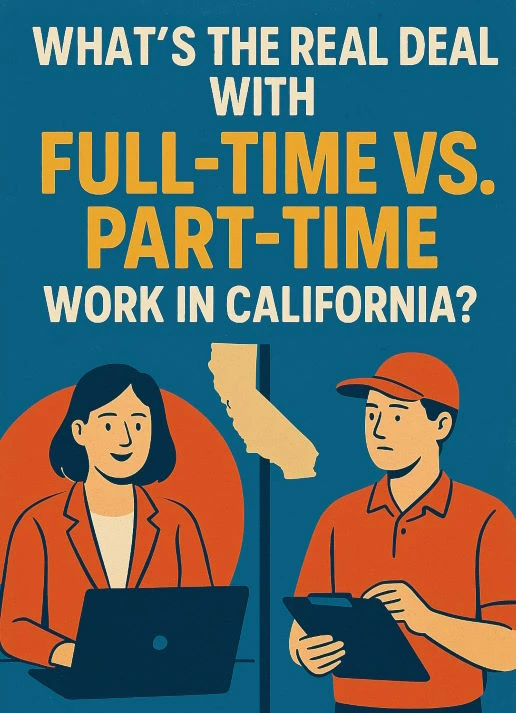
You’ve probably wondered at some point what it means to work full-time versus part-time, especially in a place like California where the rules can feel like a maze. Whether you’re punching the clock at a tech startup in Silicon Valley or picking up shifts at a coffee shop in Los Angeles, the difference between these two work setups impacts your paycheck, benefits, and even how secure you feel in your job.
The employment lawyer at California Business Lawyer & Corporate Lawyer, Inc. explains that understanding your classification isn’t just about hours—it’s the key to knowing your rights, protections, and what benefits you can lawfully expect. Let’s break it down—legally and practically—so you can get a clear picture of what’s going on when you sign up for a full-time gig or a part-time hustle in the Golden State.
So, What Exactly Counts as Full-Time or Part-Time?
Here’s the thing: California doesn’t have a hard-and-fast rule etched in stone saying, “This is full-time, and that’s part-time.” Most folks consider full-time to mean clocking 35 to 40 hours a week. Some companies, though, might call 30 hours full-time, especially if they’re figuring out who gets health insurance. Part-time? That’s usually anything under 30 or 35 hours, but it depends on where you work and what industry you’re in.
The law doesn’t obsess over these labels as much as you’d think. Instead, it’s all about making sure you’re paid fairly, get your breaks, and aren’t stuck working crazy hours without extra pay—whether you’re full-time or part-time. Still, whether you’re labeled one or the other can make a huge difference in things like health coverage, vacation days, or even whether you feel like a “real” part of the team.
Practically speaking, full-time folks are often the backbone of a company, the ones who are there day in and day out. Part-timers, on the other hand, might be juggling a few gigs or working in places like retail or restaurants where schedules bounce around. That flexibility can be awesome if you’re a student or a parent, but it can also leave you wondering where your next paycheck’s coming from.
What the Law Says for Both Sides
California’s got your back when it comes to worker rights—full-time or part-time, doesn’t matter. The state’s labor laws are some of the toughest around, but how they play out can look a little different depending on your work setup.
Pay and Overtime Rules
No matter how many hours you’re putting in, you’re guaranteed at least the state minimum wage—$16 per hour in 2025 for most jobs, though some cities and industries, like fast food, pay more. If you’re working overtime (more than 8 hours a day or 40 in a week), you’re owed time-and-a-half, and if you’re grinding past 12 hours in a day, you’re looking at double pay. This applies whether you’re a full-timer pulling long shifts or a part-timer who got stuck covering for someone. Fair’s fair, right?
Breaks You Can Count On
Ever feel like you’re running on empty during a long shift? California’s got rules for that. If you’re working over 5 hours, you get a 30-minute unpaid meal break to grab a sandwich or just chill. For every 4 hours you’re on the clock, you also get a 10-minute paid rest break—time to stretch your legs or scroll your phone. These rules don’t care if you’re full-time or part-time; they’re based on how long you’re working that day. So, part-timers on short shifts might only get a quick break, while full-timers racking up hours score a few.
Sick Days Everyone Needs
Life happens—maybe you catch a cold or need a mental health day. California’s paid sick leave law says you earn 1 hour of sick time for every 30 hours you work, up to 40 hours a year. Full-timers stack this up faster since they’re working more hours, but part-timers get it too, just at a slower pace. It’s a small thing, but knowing you can take a day without losing pay is a big deal.
No Discrimination, Period
Whether you’re in the office all week or just a few hours, California’s Fair Employment and Housing Act says nobody can mess with you because of your race, gender, age, or anything else on the protected list. You’ve also got the right to a safe workplace, and you can speak up if something’s off without worrying about getting fired. That said, part-timers sometimes feel like they’re on the sidelines, which can make it trickier to stand up for themselves compared to full-timers who are always around.
Benefits: Where Things Get Tricky
Here’s where full-time and part-time work can feel like night and day—benefits. These perks (or lack of them) can change how you plan your life, from doctor visits to saving for the future.
Health Insurance and Retirement
Thanks to the Affordable Care Act, big companies (50 or more employees) have to offer health insurance to folks working 30 hours or more a week. That usually means full-timers get covered, but part-timers? Not always. Some employers, like fancy tech firms or hospitals, might toss part-timers a bone and offer benefits, but it’s not required. If you’re part-time and don’t get insurance through work, you’re either paying out of pocket or crossing your fingers for Medi-Cal.
Retirement plans are another sore spot. Full-timers are way more likely to get a 401(k) or pension plan. Part-timers? You might get nothing or have to jump through hoops, like working a certain number of hours for a year, to even qualify. Over time, that gap can leave part-timers scrambling to catch up on savings.
Time Off and Feeling Secure
Full-time jobs often come with sweet perks like paid vacation, holidays, or even a random “personal day” to recharge. Part-timers might get a sliver of that, like prorated vacation time, but a lot of times, they’re stuck with just sick leave. That can make it harder to plan a trip or just take a breather without stressing about money.
Then there’s job security. Full-timers usually get more training and feel like they’re part of the company’s big picture, which makes them less likely to get the boot. Part-timers, especially in places like retail, might deal with schedules that change every week or jobs that feel temporary. Even though California has laws about layoffs (like giving notice if a big company cuts 75 or more jobs), part-timers can still feel like they’re one shift away from being out the door.
How This Plays Out in Real Life
Where you work and what you want out of a job shapes whether full-time or part-time feels right. In California, full-time gigs in tech or finance come with fat paychecks, stock options, and all the bells and whistles. Part-time jobs, though, pop up everywhere—think teachers covering classes, nurses picking shifts, or baristas slinging coffee. Those roles can be a lifeline if you need flexibility, like if you’re in school or raising kids.
Some people choose part-time work because it fits their life. Maybe you’re an artist in L.A. hustling gigs while you chase your big break, or a parent who wants afternoons free for soccer practice. But let’s be real—for a lot of folks, part-time isn’t a choice; it’s what’s available. That can leave you piecing together multiple jobs just to pay rent, which is no picnic in a state as pricey as California.
What Employers Are Thinking
If you’re a boss, hiring full-time versus part-time is a balancing act. Full-timers cost more—salaries, benefits, the works—but they’re often your ride-or-die crew, sticking around and knowing the ropes. Part-timers save money and let you flex when business is slow, but scheduling them and keeping up with California’s rules can be a headache.
Speaking of rules, employers have to stay sharp. Track hours wrong or skip a break, and you could be staring down a lawsuit. Mess up by calling someone part-time when they’re working full-time hours to dodge benefits? That’s a fast track to trouble. Plus, some cities, like San Francisco, throw in extra regulations about hiring or scheduling, so it’s a lot to juggle.
Can We Make Things Fairer?
The gap between full-time and part-time work has people talking. Unions and worker groups are pushing for stuff like portable benefits—think health insurance or retirement plans you can take from job to job, no matter how many hours you work. Ideas like universal healthcare or even a basic income could also shake things up, so part-timers aren’t left high and dry.
Laws like Assembly Bill 5 (AB5) tried to level the playing field by making gig workers count as employees with more rights. It stirred up a lot of debate, but it shows California’s trying to figure out how to protect everyone in a world where “normal” jobs aren’t always the norm anymore.
Wrapping It Up
At the end of the day, full-time and part-time work in California aren’t just about how many hours you’re clocking. It’s about what you’re entitled to, what you’re missing out on, and how secure you feel. Full-timers might get the cushy benefits and stability, but part-timers trade that for flexibility—sometimes by choice, sometimes not. Knowing the rules helps you stand up for yourself, whether you’re negotiating a raise or just trying to get your lunch break. And as California keeps changing, finding ways to make work fair for everyone—full-time, part-time, or somewhere in between—is something we’re all going to have to figure out together.











Sign in to leave a comment.