

Organising educational outings is an important part of school life. Trips outside the classroom help students learn through real world experiences, build social skills, and develop independence. Transport plays a vital role in the success of these outings, making coach hire school trips a popular and practical choice for many schools. Understanding what to look for when arranging transport helps schools ensure safety, comfort, and reliability while staying within budget. This guide explains the key aspects schools should consider when planning coach travel for school trips.
Understanding the Purpose of School Trips
School trips vary widely in purpose, duration, and destination. Each type of trip has specific transport requirements that should be considered during planning.
Educational Visits and Learning Outcomes
Many school trips are designed to support curriculum learning. Visits to museums, historical sites, science centres, and cultural attractions require punctual arrival times and well planned schedules. Reliable coach travel ensures that learning objectives are not disrupted by delays or logistical issues.
Recreational and Enrichment Activities
Sports events, outdoor activity centres, and end of term outings often involve energetic students and additional equipment. Coaches with sufficient storage space and comfortable seating help keep students organised and relaxed throughout the journey.
Safety as the Highest Priority
Safety is the most important factor in coach hire school trips. Schools have a duty of care to students and must ensure that transport arrangements meet strict safety standards.
Vehicle Safety and Maintenance
Coaches used for school transport should be regularly inspected and maintained to comply with safety regulations. Well maintained vehicles reduce the risk of breakdowns and help ensure a smooth journey. Clean and well presented interiors also contribute to a positive experience for students and staff.
Qualified and Experienced Drivers
Drivers should be fully licensed, professionally trained, and experienced in transporting children. Familiarity with school trip procedures, safe driving practices, and child safeguarding expectations is essential. A calm and professional driver helps create a secure environment for everyone on board.
Compliance With Legal and School Requirements
Schools must ensure that transport arrangements comply with legal guidelines and internal policies.
Licensing and Insurance
Coach services should operate with the appropriate licenses and insurance cover. This includes public liability insurance and coverage for passenger transport. Confirming these details provides reassurance and protects the school in the event of unforeseen circumstances.
Risk Assessments and Documentation
Schools often need to complete risk assessments before approving trips. Clear information about the coach, driver, journey time, and safety measures supports this process. Having documentation readily available helps streamline approvals and planning.
Comfort and Suitability for Students
Comfort is an important consideration, especially for longer journeys. Comfortable students are more settled and easier to supervise.
Seating and Space
Adequate seating with appropriate spacing allows students to travel comfortably. Younger children may require specific seating arrangements, while older students benefit from sufficient legroom. Space for bags, lunches, and equipment helps keep aisles clear and safe.
Climate Control and Cleanliness
Effective heating and cooling systems ensure comfort throughout the year. Clean interiors promote good hygiene and create a pleasant environment that reflects well on the school.
Planning and Organisation
Successful school trips depend on detailed planning and clear communication. Coach hire school trips should be arranged well in advance whenever possible.
Scheduling and Time Management
Accurate scheduling helps ensure timely arrival and departure. Allowing extra time for loading, headcounts, and traffic conditions reduces stress and keeps the trip running smoothly.
Pick Up and Drop Off Arrangements
Clear instructions for pick up and drop off points help avoid confusion. Schools should ensure that locations are safe and accessible for large vehicles and that staff are available to supervise students during boarding.
Budgeting and Cost Considerations
Schools often work within tight budgets, making cost an important factor in transport decisions.
Transparent Pricing
A clear and detailed quotation helps schools understand what is included in the cost. This may cover driver time, fuel, waiting periods, and any additional services. Transparency helps avoid unexpected expenses.
Value Over Lowest Price
While affordability is important, choosing based solely on price may compromise safety or comfort. Assessing overall value ensures that students receive a reliable and secure service.
Supervision and Student Management
Effective supervision is essential during school trips, particularly during travel.
Seating Plans and Headcounts
Organised seating plans help teachers keep track of students and maintain order. Regular headcounts during boarding and disembarking ensure that no student is left behind.
Clear Behaviour Expectations
Setting clear expectations for behaviour on the coach helps maintain a safe and respectful environment. Drivers and staff working together support positive conduct throughout the journey.
Flexibility and Adaptability
School trips can be unpredictable, and flexibility is a valuable feature of coach hire school trips.
Adjusting to Changes
Changes in schedules, weather, or venue arrangements may require adjustments to travel plans. A flexible approach helps schools respond effectively without disrupting the overall trip.
Accommodating Special Requirements
Some students may have medical needs or mobility requirements. Planning for these needs ensures inclusive and accessible travel for all participants.
Environmental and Community Benefits
Group transport offers environmental advantages that align with many school values.
Reducing Environmental Impact
Using a single coach instead of multiple cars reduces fuel consumption and emissions. This supports sustainability goals and demonstrates responsible travel choices to students.
Teaching Responsible Travel
School trips provide an opportunity to teach students about shared transport and environmental responsibility. Coach travel reinforces lessons about reducing congestion and protecting the environment.
Communication With Parents and Guardians
Clear communication with parents is an important part of school trip planning.
Sharing Travel Details
Providing information about transport arrangements reassures parents and builds trust. Details about safety measures, timings, and supervision help parents feel confident about their children’s travel.
Emergency Contact Procedures
Clear procedures for communication during the trip ensure that parents can be informed quickly if needed. Knowing that systems are in place adds an extra layer of reassurance.
Preparing Students for the Journey
Helping students understand what to expect improves behaviour and enjoyment.
Pre Trip Briefings
Explaining the journey, expected behaviour, and safety rules prepares students for travel. This is particularly helpful for younger children or those new to school trips.
Encouraging Responsibility
Assigning small responsibilities, such as looking after personal belongings, helps students feel involved and accountable during the journey.
Conclusion
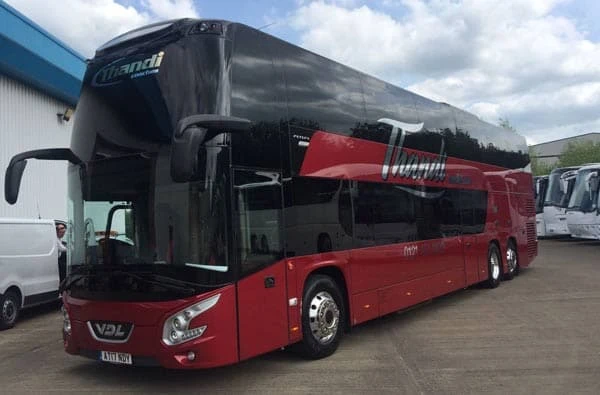
Coach hire school trips play a crucial role in enabling safe, organised, and enjoyable educational outings. By focusing on safety standards, driver experience, comfort, planning, and clear communication, schools can ensure that trips run smoothly from start to finish. Careful preparation and informed decision making help create positive experiences for students, staff, and parents alike. For schools seeking dependable and professional transport solutions for educational travel, Thandi Coaches provides reliable support tailored to school trip requirements.










Sign in to leave a comment.