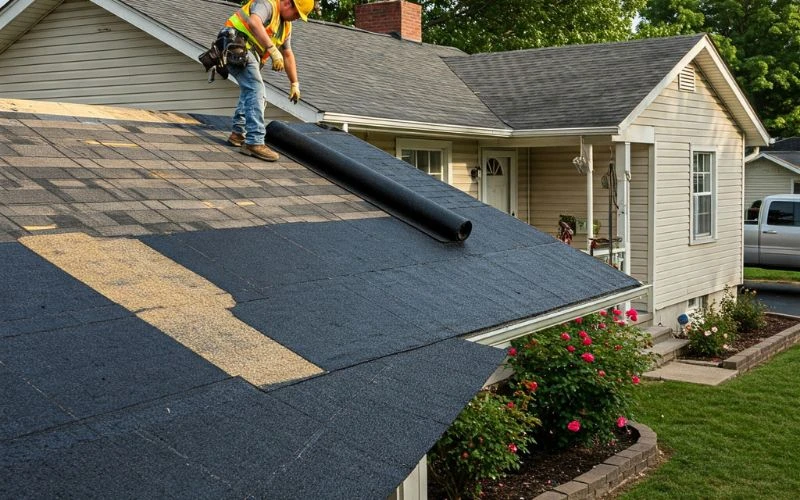

“Small roof issues don’t stay small for long.” This simple truth is reshaping the way roof inspections are carried out in 2025. A roof may appear solid from the driveway, yet beneath the tiles, silent damage can already be forming. Then suddenly, one storm exposes everything at once. That’s why every modern inspection must go deeper, layer by layer. Short sentences. Longer explanations. Clear insights that protect a property before trouble even begins.
A structured inspection provides one major advantage: certainty. And certainty strengthens every part of a building, from tile edges to the framework beneath. That’s the foundation of a comprehensive 2025 roof assessment.
What Elements Should a Complete 2025 Roof Inspection Cover?
A full roof inspection today uses multiple assessment stages, each revealing specific risks. When put together, they give a whole picture of how stable and long-lasting a roof is.
Ground-Level Structural Review
The first stage starts from the ground using zoom tools and visual scanning to pick up early damage clues. Subtle problems often appear here, including:
- Uneven pitches
- Missing or shifted tiles
- Overflow pathways on gutters
- Ridge deterioration
- Moss or vegetation buildup
This step sets the baseline for the roof’s visible condition before moving into more detailed, close-range analysis.
Roof Surface Examination
Next is a high-detail review performed through safe access equipment or drone technology. This stage is particularly important for properties considering work similar to efficient roof restoration services in Ringwood for ageing tiled structures. Key elements examined include:
- Tile and metal sheet condition
- Flashing stability
- Rust or corrosion in valley irons
- UV damage to sealants
- Gutter bracket alignment
Drone imaging enhances precision and reduces risk, especially for steep or fragile roofs.
Interior Structure and Ceiling Check
The inspection goes on inside, where it looks at the structural parts that show early indicators of roof damage. Some common results are:
- Moisture spots
- Ceiling cracks
- Weak insulation pockets
- Timber movement
- Poor ventilation patterns
Interior clues often appear before exterior symptoms, making this step essential.
Thermal Imaging Analysis
Thermal imaging remains one of the most valuable inspection tools in 2025. This stage detects issues that stay hidden to the naked eye, such as:
- Internal moisture
- Leaks beneath tiles
- Energy loss zones
- Insulation failures
- Temperature inconsistencies
This type of mapping is particularly useful for homeowners preparing for upgrades similar to complete roof restoration projects in Doncaster areas on older properties.
Pros and Cons of a Full Roof Inspection
Pros
- Identifies problems early
- Extends the roof’s lifespan
- Boosts energy efficiency
- Helps plan future upgrades
Cons
- Advanced scanning could raise costs.
- Weather affects drone assessments.
- Older roofs might need to be looked at more than once.
FAQ
1. How often should a roof be inspected in 2025?
Once per year is recommended, with extra checks after storms, high winds, or extreme heat.
2. Does a modern roof inspection include a gutters inspection?
Yes. Modern inspections evaluate gutter flow, angling, debris load, and structural attachment.
3. Are drones fully replacing manual inspections?
No. Drones enhance visibility and safety, but manual inspections remain necessary for double verification and structural assessment.
Final Thoughts
A full roof inspection in 2025 blends precision tools with traditional expertise. Ground assessments, close-up surface checks, interior inspections, and thermal imaging work together to create a complete understanding of roof health. This layered approach prevents sudden roof leaks, unexpected repair cost, and maintain property value—turning roof inspections from guesswork into a measurable science.












Sign in to leave a comment.