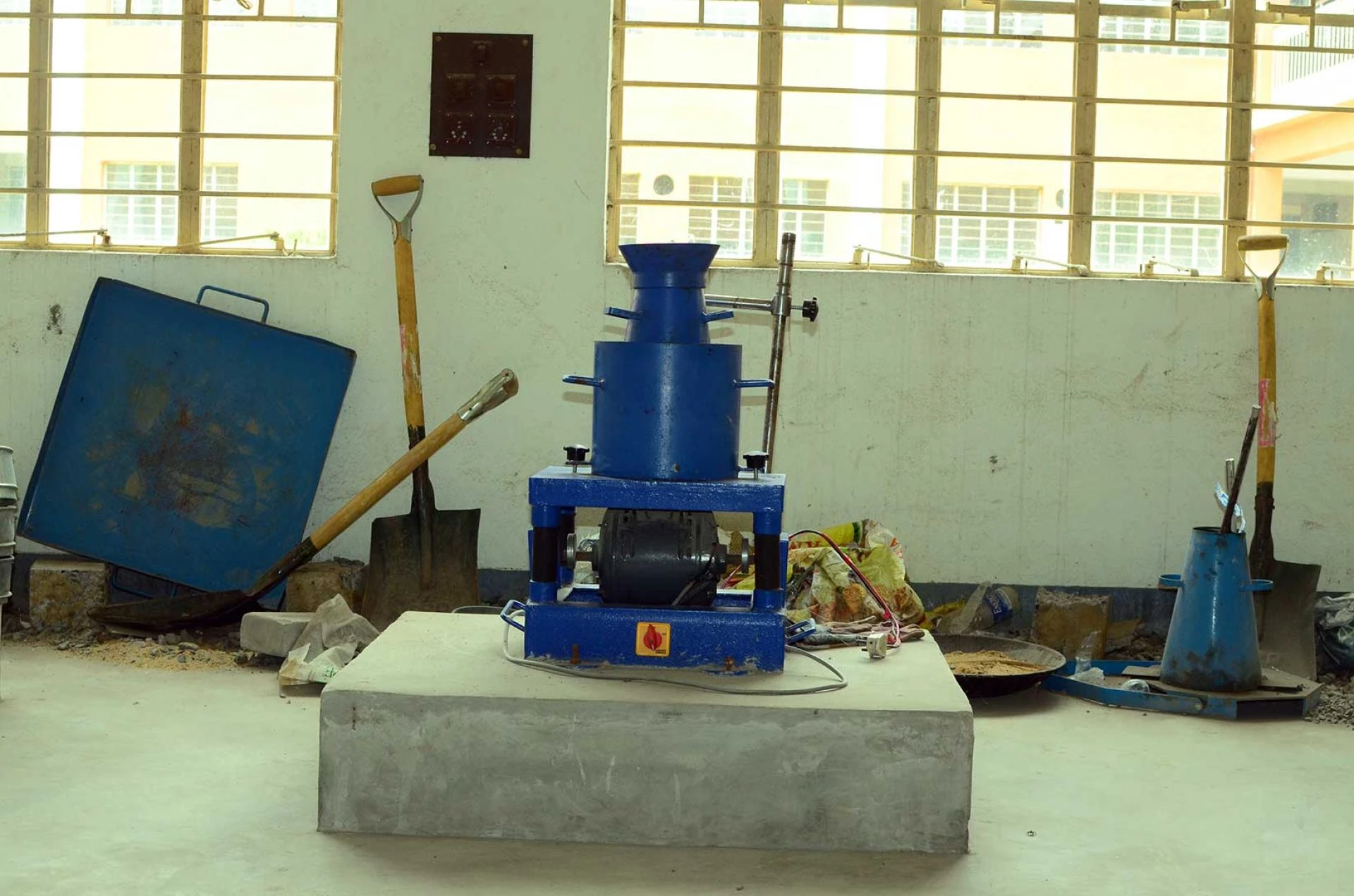

Selection of a career immediately after Class 10th is a very important decision for all the students. If you are interested in designing roads, bridges, dams, or even sky-high skyscrapers, then civil engineering might be the correct career for you. There are many students who often ask how to start early in this profession. One of the most popular routes is to study for a diploma in civil engineering after class 10, which can lead to a host of exciting career prospects in the construction and infrastructure sector.
Why Study Civil Engineering?
Civil engineering is one of the oldest and most prestigious engineering professions. Civil engineers are responsible for shaping the world around us as they design and build infrastructure projects. With increased urbanization and industrial growth, the need for skilled civil engineers is on the rise in India and the world.
Ways to Become a Civil Engineer After 10th
There are principally two ways to pursue civil engineering after finishing your Class 10th:
1.Diploma in Civil Engineering After 10th
This is a 3-year course provided by polytechnic colleges.
Passed Class 10th with Mathematics and Science candidates are eligible.
The course includes subjects such as Building Construction, Surveying, Structural Engineering, Highway Engineering, and Environmental Studies.
On completion of the diploma, students can either:
Begin work as Junior Engineers, Site Supervisors, or CAD Technicians.
Secure higher education by opting for lateral entry B.Tech in Civil Engineering (direct 2nd-year admission).
2.11th and 12th Science (PCM) + B.Tech/B.E. in Civil Engineering
The second alternative is to opt for 11th and 12th studies in the Science stream including Physics, Chemistry, and Mathematics.
Students can appear for engineering entrance exams such as JEE Main, state CETs, or private university entrance exams after 12th.
Eligibility for a B.Tech/B.E. in Civil Engineering is normally based on academic record and entrance exam performance.
Career Prospects in Civil Engineering
Civil engineers enjoy immense career prospects in the government and private sectors. Having a diploma in civil engineering after 10th, you can get early entry with practical experience. Some of the most common jobs are:
- Junior Engineer (JE)
- Construction Supervisor
- Surveyor
- CAD Designer
- Site Engineer Assistant
If you opt for further studies, you can be:
- Structural Engineer
- Project Manager
- Transportation Engineer
- Environmental Engineer
- Urban Development Planner
Final Thoughts
If you're committed to becoming a civil engineer, the diploma in civil engineering after 10th is one of the most pragmatic and quickest options. It enables you to kick-start your professional life early while maintaining options for higher education. Alternatively, getting higher secondary education followed by B.Tech is another excellent option for those looking forward to higher jobs.
No matter which route you follow, commitment, technical expertise, and an inclination for constructing the future will make you a successful civil engineer.










Sign in to leave a comment.