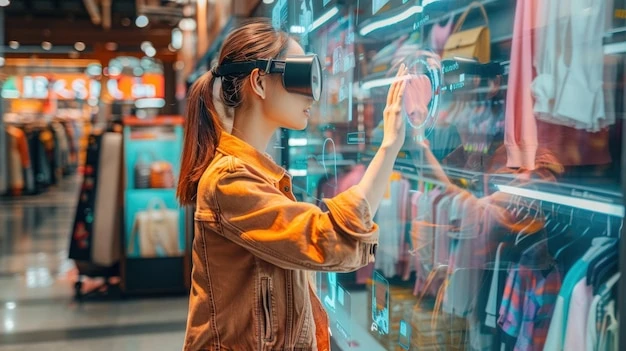
The fashion world has always reflected cultural shifts, artistic innovation, and individual expression. But today, one of its biggest drivers of change isn’t fabric or trend—it’s technology. From AI-powered design to virtual fitting rooms, fashion is entering a new era where tech plays a critical role in how clothes are made, sold, and worn. As consumer expectations evolve and digital tools grow more sophisticated, the future of fashion looks more dynamic—and more digital—than ever.

Smart Fabrics and Wearable Tech
One of the most intriguing advancements in fashion technology is the development of smart fabrics and wearable tech. These are textiles embedded with electronic components that monitor body temperature, track fitness data, or even change color based on mood or surroundings. Brands are exploring ways to integrate this technology into everyday clothing to enhance both utility and style. Shortly, your clothes might do more than just make a statement—they could collect health data, charge your devices, or react to your environment in real-time.
AI-Driven Design and Personalization
Artificial intelligence is transforming the design process by enabling brands to analyze customer data and preferences in real time. This helps designers anticipate trends, create pieces tailored to specific tastes, and minimize waste. With access to tools and style updates on xe-soft.com, shoppers are becoming more involved in the design process through customization platforms. AI algorithms can suggest personalized outfit combinations, streamline inventory management, and create entirely new aesthetics that reflect both creativity and efficiency.
Virtual Try-Ons and Augmented Reality
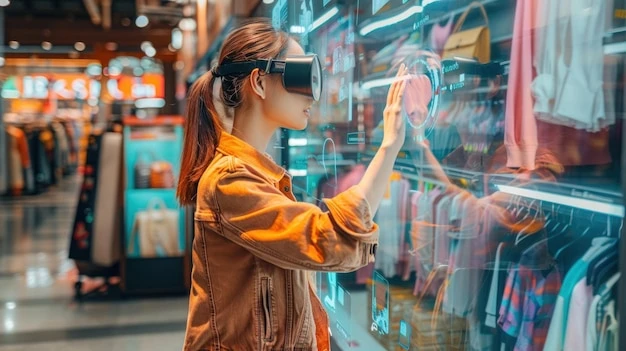
Shopping is changing fast, and virtual try-on technology is a major part of the shift. Using augmented reality (AR), customers can now “try on” clothes through their smartphones or in-store digital mirrors without physically putting them on. This reduces returns, enhances confidence in online purchases, and creates a more interactive shopping experience. Many brands are also using AR to let users preview how an outfit would look in different settings or lighting, making the experience far more immersive than a simple product photo.
3D Printing in Fashion
3D printing is revolutionizing how clothes and accessories are produced, offering designers the chance to create intricate and innovative shapes that were once impossible. It also supports more sustainable manufacturing by using fewer resources and producing items on demand. While still in its early stages, 3D-printed fashion is gaining traction among avant-garde designers and is expected to become more mainstream as materials and techniques evolve.
Sustainability Through Innovation
Technology is not only making fashion more futuristic—it’s also making it more sustainable. From blockchain systems that verify supply chains to AI that optimizes production to reduce waste, tech is providing solutions to fashion’s long-standing environmental issues. Consumers increasingly demand transparency and accountability, and innovations like digital tags or scannable labels help provide information about how a garment was made, what it’s made from, and how to care for it responsibly.
Virtual Fashion and the Metaverse
With the rise of virtual worlds and digital avatars, virtual fashion is becoming a booming niche. Brands are now designing clothing that exists solely in the digital space, for use in video games, social media, or the metaverse. This allows for boundless creativity without the limitations of physical materials, while also appealing to eco-conscious consumers who want to experiment with fashion sustainably. Virtual fashion shows and digital garments are redefining how style is consumed and shared online.
AI Stylists and Smart Shopping Assistants
Personal styling is also getting a high-tech makeover. AI-driven stylists can now provide fashion advice, recommend pieces based on your style history, or even build complete wardrobes tailored to specific needs or events. Some platforms offer smart shopping assistants that analyze your body type, skin tone, and lifestyle to help you shop more efficiently. These tools not only improve convenience but also reduce shopping fatigue by narrowing options to what’s truly relevant to you.
Conclusion
The fusion of fashion and technology is no longer futuristic—it’s already reshaping how we design, shop, and wear clothing. From smart fabrics to virtual wardrobes, the possibilities are expanding daily. As you keep up with style updates on xe-soft.com, you’ll see how these innovations not only elevate personal style but also reflect deeper changes in how we engage with fashion. In this digital age, fashion is becoming smarter, more inclusive, and infinitely more creative, offering something exciting for every kind of style enthusiast.












Sign in to leave a comment.