
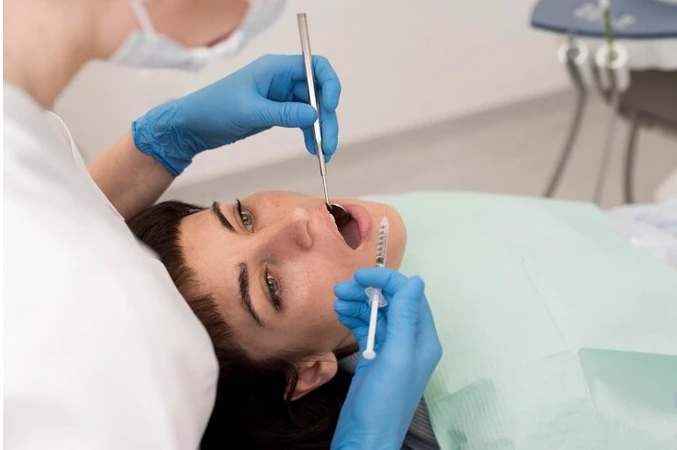
Dental emergencies can happen without warning and often bring pain, discomfort, and anxiety. Whether it is a sudden toothache, a broken tooth, or an injury to the gums, knowing how to respond quickly can make a significant difference in the outcome. When preparing to visit an Oxnard emergency dentist, taking the right steps beforehand can help manage pain, prevent further damage, and ensure the appointment is as effective as possible. Acting calmly and thoughtfully during a dental emergency supports better treatment results and faster recovery.
Understanding What Qualifies as a Dental Emergency
Severe Tooth Pain or Swelling
Intense tooth pain that does not subside may indicate an infection or deep decay. Swelling around the gums, jaw, or face can signal a serious issue that requires urgent attention. Infections left untreated can spread and lead to more complex health problems. Patients experiencing persistent pain or visible swelling should seek care promptly. Rinsing the mouth with warm salt water may provide temporary relief. However, professional evaluation remains essential to address the root cause.
Broken, Chipped, or Knocked Out Teeth
Accidents can result in cracked, chipped, or completely dislodged teeth. These situations require immediate attention to increase the likelihood of saving the tooth. A knocked out tooth should be handled carefully by the crown and gently rinsed if dirty. If possible, placing the tooth back in its socket or storing it in milk can help preserve it. Quick action significantly improves the chances of successful reattachment. Visiting a dental professional without delay is critical in such cases.
Managing Pain Before the Appointment
Using Safe Pain Relief Methods
While waiting for professional care, over the counter pain relievers can help reduce discomfort. Patients should follow recommended dosage instructions carefully. Applying a cold compress to the outside of the cheek may help decrease swelling and numb the affected area. Avoid placing aspirin directly on the gums, as this can cause irritation. Temporary relief measures are helpful, but they do not replace professional treatment. The goal is to manage discomfort until proper care is received.
Avoiding Aggravating Activities
During a dental emergency, certain activities can worsen the condition. Chewing on the affected side should be avoided to prevent additional damage. Extremely hot or cold foods may intensify sensitivity and pain. Sticky or hard foods can further irritate the injured area. Maintaining a soft food diet until the appointment can reduce strain on the teeth. Gentle oral hygiene practices should continue, but care must be taken around sensitive spots.
Gathering Important Information
Medical and Dental History
Before heading to the appointment, patients should gather relevant medical information. Details about allergies, medications, and previous dental treatments can assist the dentist in providing safe care. Having a clear understanding of symptoms, including when they started and how severe they are, also helps guide treatment. Accurate information ensures that the dental professional can make informed decisions. Preparation saves time and allows for efficient evaluation during urgent visits.
Insurance and Identification
Bringing identification and dental insurance information helps streamline the check in process. Emergency visits can be stressful, so having necessary documents ready reduces additional anxiety. Understanding coverage details beforehand can also clarify potential costs. If possible, contacting the dental office ahead of arrival allows staff to prepare for the situation. Being organized supports a smoother experience during an already challenging time.
Handling Specific Dental Emergencies
Managing a Knocked Out Tooth
If a tooth has been knocked out, time is critical. The tooth should be picked up by the crown and gently rinsed with water if dirty. Scrubbing or removing tissue fragments should be avoided to protect delicate cells. If reinserting the tooth into its socket is not possible, storing it in milk or a saline solution is recommended. Seeking care within the first hour offers the best chance for successful reattachment. Prompt response greatly influences the outcome.
Dealing with a Broken Tooth
For a broken or chipped tooth, rinsing the mouth with warm water helps clean the area. Any broken pieces should be saved and brought to the appointment if possible. Applying gauze can control minor bleeding, and a cold compress may reduce swelling. Avoid chewing on the affected side to prevent further fracture. Covering sharp edges with temporary dental wax from a pharmacy can reduce irritation. Professional treatment will determine the best restoration option.
Addressing Dental Abscess
A dental abscess is a serious infection that often presents with swelling, pain, and sometimes fever. Rinsing with mild salt water may help reduce bacteria temporarily. Patients should avoid applying heat to the area, as it can worsen swelling. Abscesses require urgent professional treatment to prevent the infection from spreading. Delaying care can lead to more severe health complications. Immediate attention from a qualified dental professional is essential.
Maintaining Calm During a Dental Emergency
Managing Anxiety
Dental emergencies often cause fear and stress, especially when pain is involved. Taking slow, deep breaths can help calm the nervous system. Reminding oneself that emergency dental professionals are trained to handle urgent situations can offer reassurance. Seeking support from a family member or friend during the visit may provide additional comfort. Staying calm allows patients to communicate symptoms clearly. Clear communication supports accurate diagnosis and effective treatment.
Preparing for Treatment
Understanding that emergency care may involve diagnostic imaging or immediate procedures can reduce uncertainty. Being mentally prepared for potential treatments such as fillings, root canal therapy, or temporary restorations helps manage expectations. Patients should ask questions about the recommended treatment plan and aftercare instructions. Knowledge promotes confidence and cooperation during the procedure. A proactive mindset enhances the overall experience.
Preventing Future Dental Emergencies
Practicing Good Oral Hygiene
Consistent brushing and flossing are essential for preventing many common dental problems. Regular dental checkups help identify potential issues before they become emergencies. Using a fluoride toothpaste strengthens enamel and reduces the risk of decay. Maintaining healthy gums lowers the likelihood of infections. Preventive care remains the most effective strategy for long term oral health. Small daily habits can significantly reduce the chance of urgent dental visits.
Using Protective Measures
Wearing a mouthguard during sports activities protects teeth from trauma. Avoiding chewing hard objects such as ice or pens reduces the risk of fractures. Addressing minor dental concerns promptly prevents them from escalating into emergencies. Balanced nutrition also contributes to strong teeth and gums. Taking protective steps enhances overall dental resilience. Prevention saves time, discomfort, and potential financial strain.
What to Expect at the Emergency Appointment
Comprehensive Evaluation
Upon arrival, the emergency dentist will perform a detailed examination to identify the cause of the issue. Diagnostic tools such as digital imaging may be used to assess internal structures. The dentist will discuss findings and recommend immediate treatment options. Clear explanations help patients understand the severity of the condition. Effective evaluation ensures appropriate and timely care.
Immediate and Follow Up Care
Emergency treatment focuses on relieving pain and stabilizing the affected area. In some cases, additional appointments may be scheduled for permanent restorations or further procedures. Patients will receive detailed aftercare instructions to support healing. Following these guidelines carefully promotes recovery and reduces complications. Ongoing communication with the dental office ensures continued support after the initial visit.
Conclusion
Knowing what to do before visiting an emergency dental provider can significantly improve the outcome of urgent care situations. By managing pain safely, protecting damaged teeth, gathering essential information, and remaining calm, patients can support effective treatment and faster recovery. Seeking timely professional assistance from an experienced Oxnard emergency dentist ensures that dental emergencies are addressed promptly and thoroughly. For individuals in need of reliable and compassionate urgent dental care, the trusted team at Clove Dental provides dedicated support and comprehensive treatment solutions.









Sign in to leave a comment.