
When considering a visit to a hair clinic in Bristol UK, individuals often find themselves navigating a landscape filled with choices, treatments, and potential outcomes. The journey towards restoring one's hair can be complex, involving various methods tailored to individual needs. This article aims to provide a detailed exploration of what one can expect during their visit, including the types of treatments available, the consultation process, and factors influencing the overall experience.
Understanding Hair Loss: The Initial Consultation
The first step in addressing hair loss typically begins with an initial consultation at a reputable clinic. During this meeting, a qualified professional will conduct a comprehensive assessment of the client's hair and scalp condition. This assessment usually involves discussing medical history, family history of hair loss, and any underlying health conditions that may contribute to hair thinning or loss.
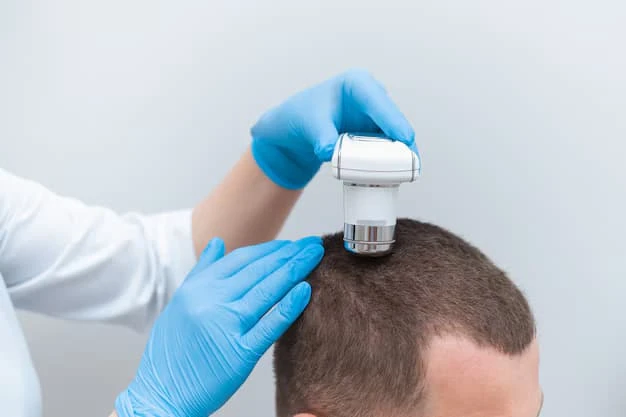
Clients should feel comfortable sharing personal details, as this information is crucial in determining the most appropriate treatment plan. The clinic's specialists will often utilize advanced diagnostic tools to evaluate the hair's density, health, and growth patterns. This thorough examination sets the stage for a personalized approach, ensuring that clients understand the factors contributing to their hair loss and the potential solutions available.
Exploring Treatment Options
Once the consultation is complete, the next phase involves exploring various treatment options tailored to individual needs. Hair clinics in Bristol offer a range of treatments, each designed to tackle specific types of hair loss. Among the most common solutions are hair transplant procedures, which involve relocating hair follicles from a donor site to areas experiencing thinning or baldness. This method is particularly effective for individuals with significant hair loss seeking a permanent solution.
In addition to surgical options, many clinics provide non-surgical treatments. These may include PRP therapy (Platelet-Rich Plasma), a technique that harnesses the body's natural healing properties. During this procedure, a small amount of blood is drawn from the patient, processed to isolate the platelets, and then injected into the scalp. This method aims to stimulate hair growth by promoting blood circulation to the hair follicles, resulting in thicker and healthier hair over time.
Another non-surgical option gaining popularity is the use of topical solutions and medications. Clinics often recommend FDA-approved products that have shown effectiveness in promoting hair growth. It is essential to consult with the clinic's specialists to determine which products may be suitable based on individual hair loss patterns and scalp conditions.
The Role of Aftercare in Hair Restoration
Aftercare plays a pivotal role in the success of hair restoration treatments. Following any procedure, clients receive detailed instructions on how to care for their scalp and hair. This may include recommendations for specific hair care products, avoiding certain activities that could hinder recovery, and scheduling follow-up appointments to monitor progress.
For individuals who undergo a hair transplant, the aftercare process is particularly crucial. Proper care during the initial healing phase not only aids in recovery but also maximizes the chances of successful hair growth. Patients are often advised to avoid strenuous activities for a specified period, as excessive sweating can interfere with the healing process. Additionally, maintaining a healthy diet and lifestyle contributes to overall hair health, supporting the newly transplanted follicles as they establish themselves in their new environment.
Addressing Common Concerns and Misconceptions
Many individuals considering treatment at a hair clinic may harbor concerns or misconceptions about the procedures. One common worry involves the pain associated with hair restoration methods. However, most clinics utilize advanced techniques and technologies to minimize discomfort during procedures. Anesthesia options are available to ensure that clients feel as comfortable as possible throughout their experience.
Another misconception is that hair restoration treatments yield immediate results. In reality, the process of hair regrowth can take time, with visible changes often becoming apparent several months post-treatment. Clinics typically provide clients with realistic timelines and expectations, emphasizing the importance of patience and adherence to aftercare instructions.
Factors Influencing Treatment Success
The success of hair restoration treatments can be influenced by several factors, including the individual's hair type, age, and the extent of hair loss. Younger clients may experience different outcomes compared to older individuals, as hair loss patterns can vary significantly across different age groups. Additionally, genetic predisposition plays a crucial role in hair loss, impacting the effectiveness of various treatments.
Furthermore, lifestyle choices can significantly affect treatment success. Factors such as diet, stress levels, and smoking can influence hair health. Clinics often encourage clients to adopt healthier habits to support their treatment plans. This holistic approach acknowledges that hair restoration is not solely about the procedures but also about fostering an environment conducive to hair growth.
The Importance of Choosing the Right Clinic
Selecting the right hair clinic is paramount to achieving desired results. Prospective clients should take the time to research clinics thoroughly, considering factors such as the qualifications of specialists, the range of treatments offered, and patient reviews. A reputable clinic will prioritize patient education, ensuring that individuals fully understand their options and the potential outcomes of each treatment.
In addition to expertise, the environment of the clinic matters. A welcoming and professional atmosphere can significantly enhance the overall experience. Clients should feel comfortable asking questions and expressing any concerns they may have throughout the process. Establishing a strong rapport with the clinic's staff fosters trust and confidence, ultimately contributing to a positive journey towards hair restoration.
Conclusion
In conclusion, visiting a hair clinic in Bristol, UK presents individuals with a wealth of opportunities to address hair loss effectively. From comprehensive consultations to exploring tailored treatment options, each step of the process is designed to cater to the unique needs of clients. With a focus on personalized care and aftercare, individuals can embark on their journey to restore their hair with confidence. For those seeking expert guidance and a range of treatment options, Este Medical Group Bristol stands out as a trusted destination in the realm of hair restoration. Embracing these possibilities can lead to transformative results, enhancing not only hair health but overall self-esteem.












Sign in to leave a comment.