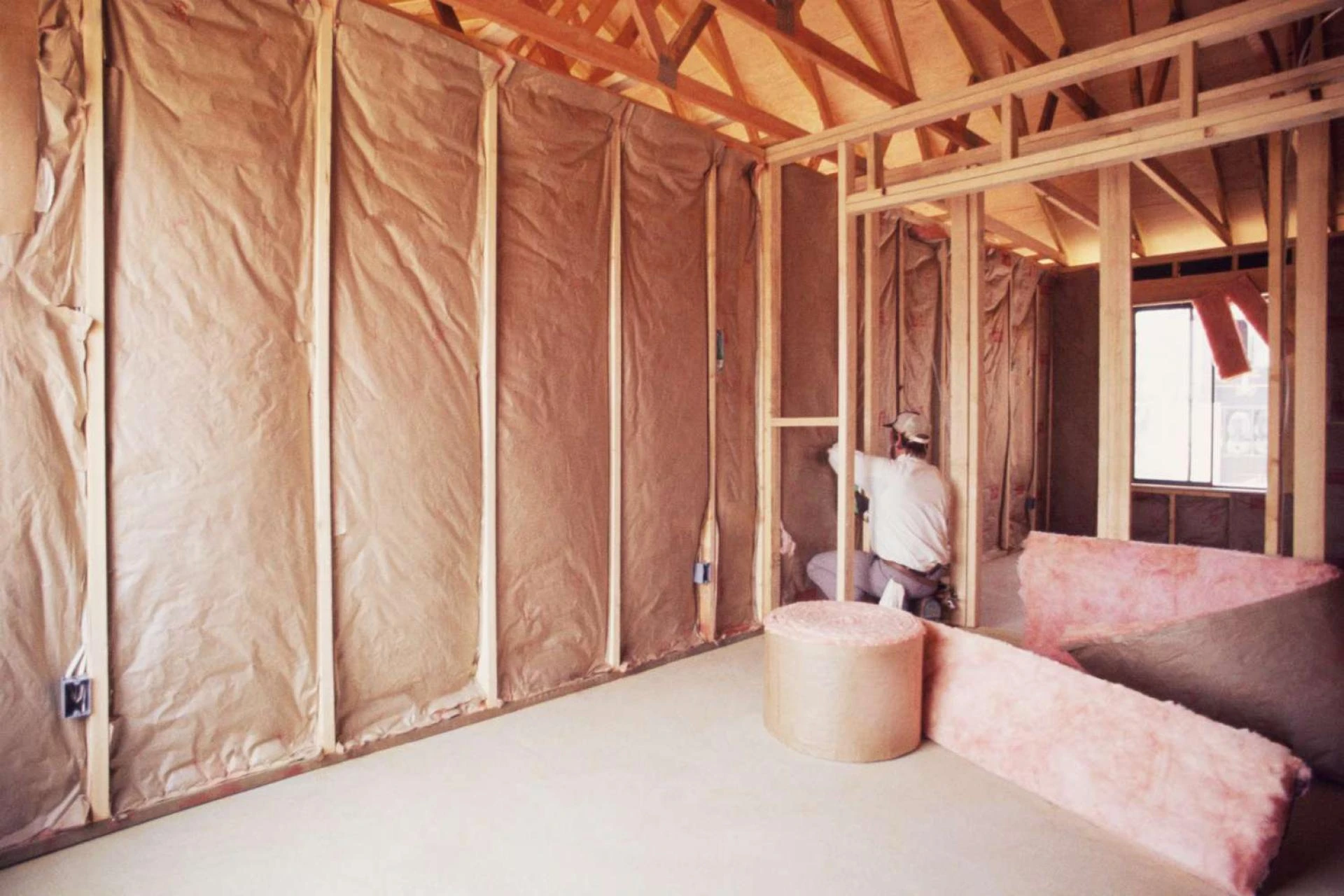
For homeowners in Hot Springs, deciding to upgrade their insulation is a smart move for improving comfort and lowering energy bills. But what actually happens when the crew shows up? A professional residential insulation installation in Hot Springs, AR is a structured, predictable process designed to be as efficient and non-disruptive as possible. It begins with a thorough consultation and quote, followed by careful preparation of the home on installation day. The trained crew then installs the material using specialized equipment, and the project concludes with a complete cleanup and a final walk-through with the homeowner to ensure satisfaction.
Knowing what to expect removes any uncertainty and helps homeowners identify a high-quality, professional contractor from one who might cut corners. This guide, based on industry best practices, breaks down each step of the process so you can feel confident and prepared from start to finish.
The First Step: Consultation and a Detailed Plan
The process doesn't start on installation day; it begins with the initial meeting. A reputable contractor won't just give you a price over the phone. Instead, they will schedule a visit to your home to perform a comprehensive assessment.
During this visit, an insulation expert will:
- Inspect Key Areas: They will want to see the spaces you intend to insulate, such as the attic, crawl space, or exterior walls. They'll measure the square footage and check for any existing issues, like inadequate ventilation or signs of moisture, which are common concerns in the humid Hot Springs climate.
- Discuss Your Goals: They'll ask what you want to achieve. Are you focused on lowering your cooling bills in the summer? Is your goal to make a specific room more comfortable? Are you trying to reduce outside noise?
- Explain Your Options: Based on their inspection and your goals, they will recommend the best insulation materials for your situation. They might suggest blown-in fiberglass for an open attic, closed-cell spray foam for a damp crawl space, or dense-pack cellulose for existing walls.
- Provide a Written Proposal: After the assessment, you should receive a detailed, written quote. This document is a key sign of professionalism. It should clearly outline the scope of work, the specific materials to be used, the target R-value, the total cost, and the project timeline.
On Installation Day: Site Preparation
A professional crew treats your home with respect. Their first actions on arrival are focused on preparing the space and protecting your property.
The crew will begin by laying down protective drop cloths on floors and covering any furniture in or near the work area. They create a clear and safe path for their equipment, which might include a long hose running from their truck into your attic. If they are working in a specific room, they will use plastic sheeting to isolate the workspace and contain any dust. This careful preparation is a hallmark of a professional team and ensures your home is left in the same condition as when they arrived.
Bonus Tip: Before the crew arrives, it's helpful to clear any personal or valuable items from the work areas. If they are insulating your attic, for example, make sure any stored belongings are moved to provide the crew with safe and complete access.
The Main Event: The Installation Itself
Once the site is prepped, the installation begins. The process will vary depending on the type of insulation being installed.
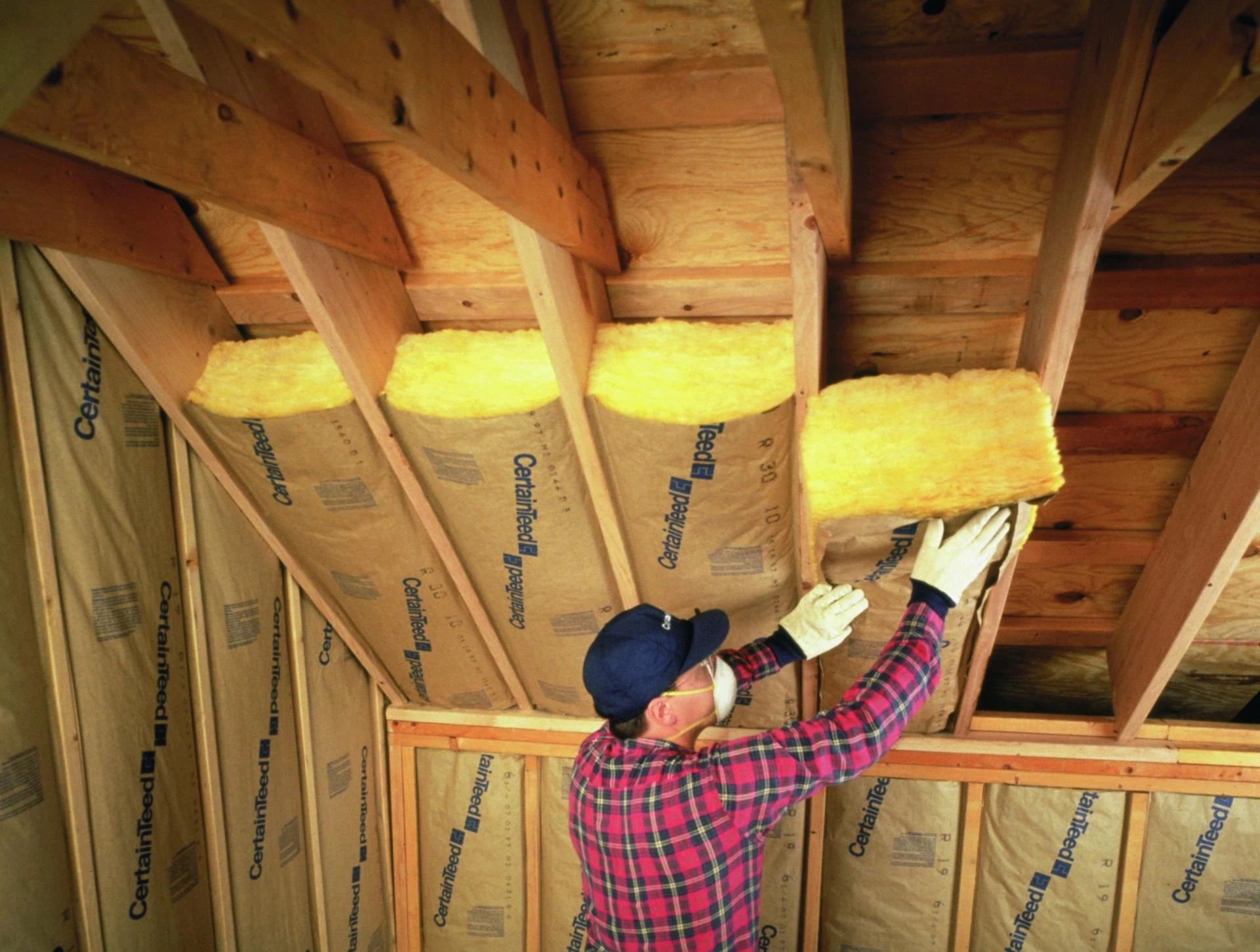
- For Blown-In Insulation (Attic): The crew will run a large hose from a powerful blower in their truck up into the attic. One crew member will feed bales of fiberglass or cellulose into the machine, while another is in the attic, directing the hose to ensure an even, consistent layer of insulation is applied. They will install rulers to verify the depth and may install baffles near the eaves to protect soffit vents and maintain proper attic airflow.
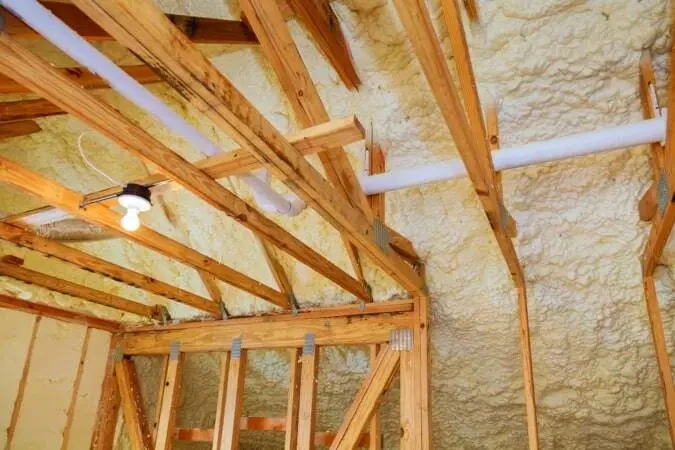
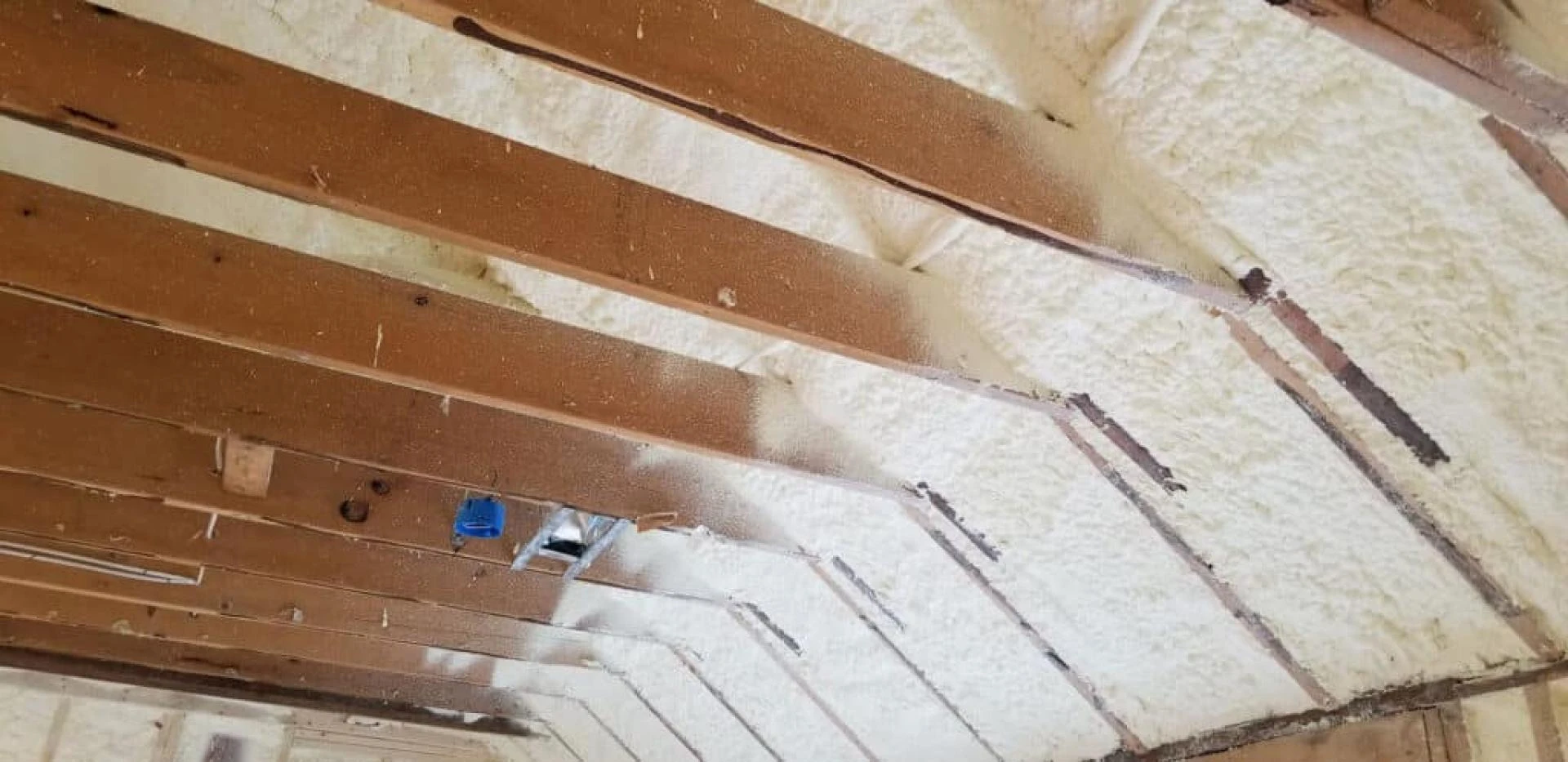
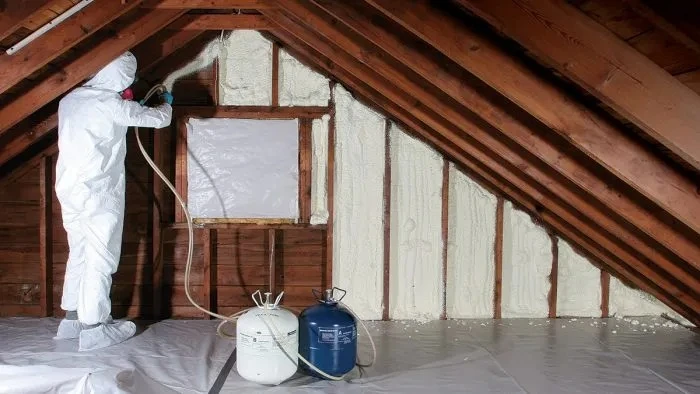
- For Spray Foam Insulation (Crawl Space or Walls): This process requires specialized safety gear. The crew will wear full protective suits and respirators. They will run a heated, pressurized hose from their rig to the application area. As one technician sprays the foam, it will expand to fill the cavity, creating an airtight seal. The area will need to be well-ventilated, and the crew will advise you on the required time before you can safely re-enter the space (typically 24 hours).
- For Existing Walls: To insulate finished walls, crews use a "drill-and-fill" method. They drill small, precise holes between the studs, typically from the outside of the house. They then insert a tube and blow dense-pack insulation into the empty cavity. When finished, they plug the holes, often in a way that is barely noticeable once painted.
Throughout the process, the crew leader is responsible for quality control, ensuring the material is applied to the correct thickness and density to achieve the promised R-value.
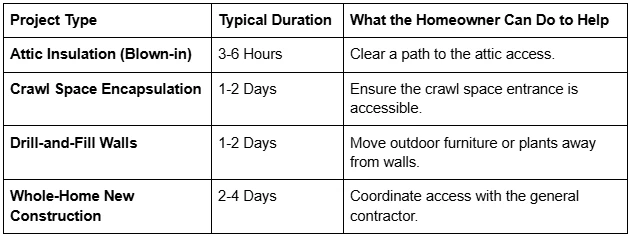
Typical Project Timelines for Residential Jobs
The Final Steps: Cleanup and a Walk-Through
A professional job isn't finished until the site is clean and the customer is happy. After the insulation is installed, the crew will begin a thorough cleanup. They will roll up all the protective coverings, vacuum any dust, and remove all their equipment and any leftover materials. Their goal is to leave your home looking as if they were never there.
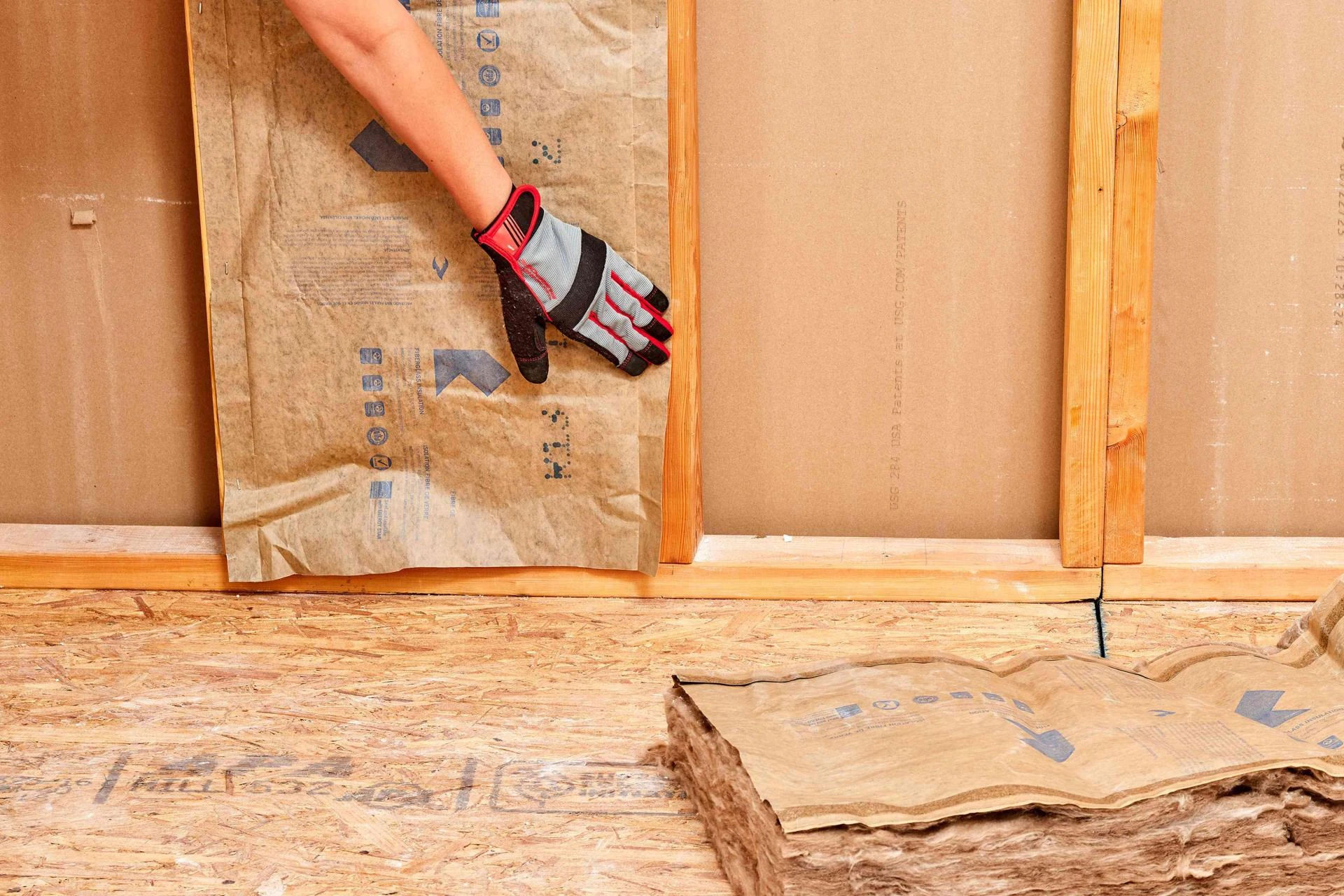
The final and most important step is the walk-through. The crew leader will invite you to inspect the completed work. They will show you the newly insulated space, explain what they did, and answer any questions you may have. This is your opportunity to confirm that the work meets your expectations.
Bonus Tip: Don't be shy during the walk-through. If you have a question or a concern, now is the time to ask. A good contractor wants to ensure you are completely satisfied with the job before they consider it done.
Things to Consider Before Making a Decision
Choosing the right contractor in Hot Springs is the key to a smooth installation experience.
- Look for Local Experience: A contractor who is familiar with the Hot Springs area understands the specific challenges of the local climate, especially the high humidity, and can recommend the best solutions.
- Check for Licensing and Insurance: Always verify that the contractor is properly licensed and carries both general liability and workers' compensation insurance. This protects you and your property.
- Ask for References: A reputable company will be happy to provide you with references from other homeowners in your area.
- Communication is Key: From the initial call to the final walk-through, a professional contractor will communicate clearly and keep you informed at every step.
Questions People Ask About Insulation Day
Do I have to be home for the installation?
It's recommended that you are home at the beginning to let the crew in and confirm the work plan, and at the end for the final walk-through. For some jobs, like exterior wall insulation, you may not need to be present for the entire duration.
Will the process be very loud?
The equipment, especially the blower for loose-fill insulation or the generator for a spray foam rig, can be noisy. However, the sound is mostly contained to the truck outside and the immediate work area.
What happens if the crew finds an unexpected problem?
If a professional crew discovers a pre-existing issue, such as rotted wood, active knob-and-tube wiring, or a roof leak, they will stop work immediately. They will inform you of the problem and recommend that you have it repaired by the appropriate specialist before they continue.
Will I notice a difference right away?
Yes. Most homeowners feel a noticeable improvement in their home's comfort level almost immediately. The house will feel less drafty, and rooms will hold their temperature much better. You should see the impact on your energy bills in the next billing cycle.
Is there any smell associated with the insulation?
Blown-in fiberglass and cellulose are odorless. Spray foam has a distinct odor during application and curing, which is why the area must be ventilated and vacated. Once fully cured, the foam is inert and odorless.
A Smooth Process from Start to Finish
A professional residential insulation is a well-orchestrated service designed to deliver maximum benefit with minimum hassle. By knowing what to expect, from the detailed initial consultation to the final, clean hand-off, homeowners in Hot Springs can confidently invest in their home's comfort and efficiency. The key is to partner with a contractor who prioritizes quality, communication, and customer satisfaction.
Get a Clear and Professional Quote
If you're ready to improve your home's comfort and reduce your energy costs, the first step is a professional assessment. For homeowners in the Hot Springs area, working with an experienced team ensures a smooth and transparent process from the very beginning. The experts at LMC Insulation provide thorough consultations and detailed proposals. To schedule an appointment and learn about the best options for your home, they can be reached at (479) 351-6175 or via email at [email protected].
Author: Jared Baker, a business director at LMC Insulation, brings deep local insight to the team as an Arkansas native. While continuing a full-time role with a federal natural resources agency, he has successfully built multiple ventures. As a manager for LMC Insulation, he plays a key role in upholding the company’s focus on delivering top-tier service.
Reviewer: Mia Clark used her 9 years of experience in spray foam to review this article and offered input focused on helping companies make their services easier to understand and market effectively.











Sign in to leave a comment.