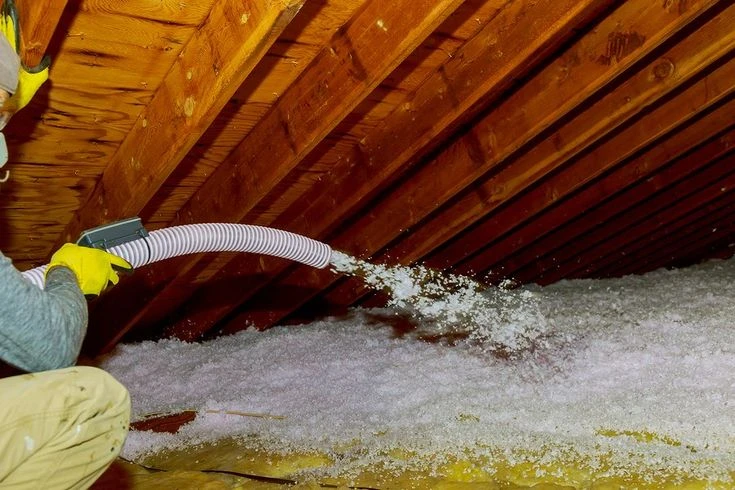
For homeowners in New Braunfels, Texas, an attic insulation upgrade is a structured project that typically unfolds over one to two days. The process begins with a professional consultation, moves to the removal of old or inadequate insulation, and is followed by the critical step of air sealing the attic floor. Only then is the new insulation installed. The project concludes with a thorough cleanup and a final walkthrough. This systematic approach ensures the job is done right and delivers maximum energy efficiency.
Knowing what to expect during this process can help homeowners ask the right questions, choose a qualified contractor, and feel confident in their investment. This guide breaks down each stage of a typical attic insulation in New Braunfels, TX project, from the first call to the final inspection. The information is based on established building science principles and industry best practices for homes in the Central Texas climate.
The First Step: A Professional Assessment
Before any work begins, a reputable contractor will conduct a detailed inspection of the attic. This is not just a quick look; it's a diagnostic evaluation to understand the home's specific needs.
What the Inspector Looks For
During this initial visit, an insulation professional will:
- Measure the square footage of the attic.
- Assess the type, depth, and condition of the existing insulation.
- Identify sources of air leakage, such as gaps around pipes, wires, and light fixtures.
- Check the attic's ventilation system to ensure it's functioning properly.
- Look for signs of moisture, mold, or pest activity.
Based on this assessment, they will develop a customized plan. In a place like New Braunfels, with its hot and humid summers, the recommendation might be different from what would be suggested in a colder climate. For example, they might discuss the benefits of creating an unvented attic by applying spray foam to the underside of the roof deck rather than just adding more insulation to the attic floor.
Project Day: The Arrival and Preparation
On the day of the installation, the crew's first priority is to protect the home.
Setting Up the Work Area
The installation team will lay down protective plastic or cloth sheeting from the front door to the attic access point. This keeps floors and walls clean. They will also take care to protect any furniture or fixtures in the immediate vicinity of the work area.
Outside, they will set up their equipment. If old insulation is being removed, this will include a large, powerful vacuum connected to a long hose. If new insulation is being blown in or sprayed, the corresponding equipment will be staged in a truck or trailer.
Bonus Tip: Homeowners can help the project run smoothly by clearing a wide path for the crew and removing any pictures or fragile items from the walls along that path. It's also essential to remove all personal items from the attic before the crew arrives.
The Work Begins: Insulation Removal and Air Sealing
This is the phase where the real transformation of the attic begins. For many homes, this is the most important part of the entire project.
Removing the Old Insulation
In most upgrade scenarios, the old insulation needs to go. Over time, fiberglass can become compressed, and blown-in materials can get contaminated with dust, debris, and pest droppings. Removing it provides a clean slate and is the only way to perform the next step properly. The crew uses a high-powered vacuum to suck all the old material out of the attic and collect it in a large bag outside for disposal.
The Critical Step of Air Sealing
With the attic empty, the crew can now access the attic floor to seal all the air leaks. This is arguably the most important step for improving energy efficiency and comfort. Air leakage between the living space and the attic can account for a significant portion of a home's heating and cooling costs. The crew will use spray foam, caulk, and other sealants to close every gap, paying special attention to areas around:
- Plumbing stacks and vents
- Recessed can lights
- Electrical wiring
- The chimney chase
- The top plates of interior walls
Installing the New Insulation
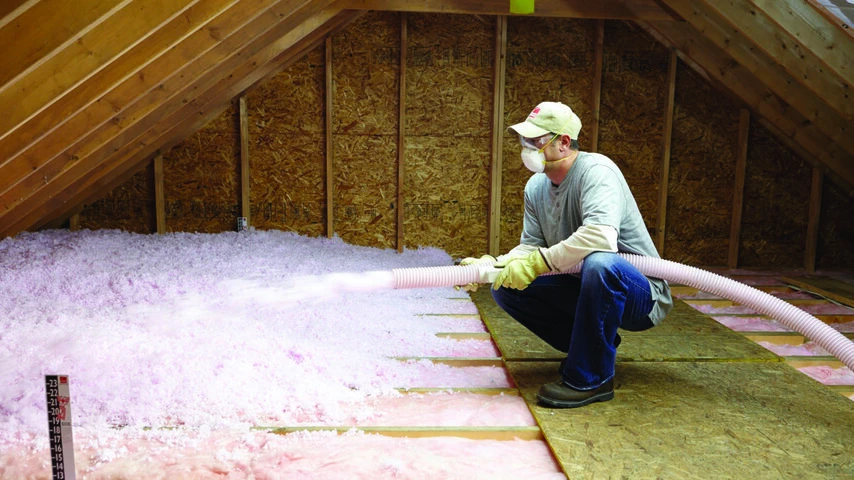
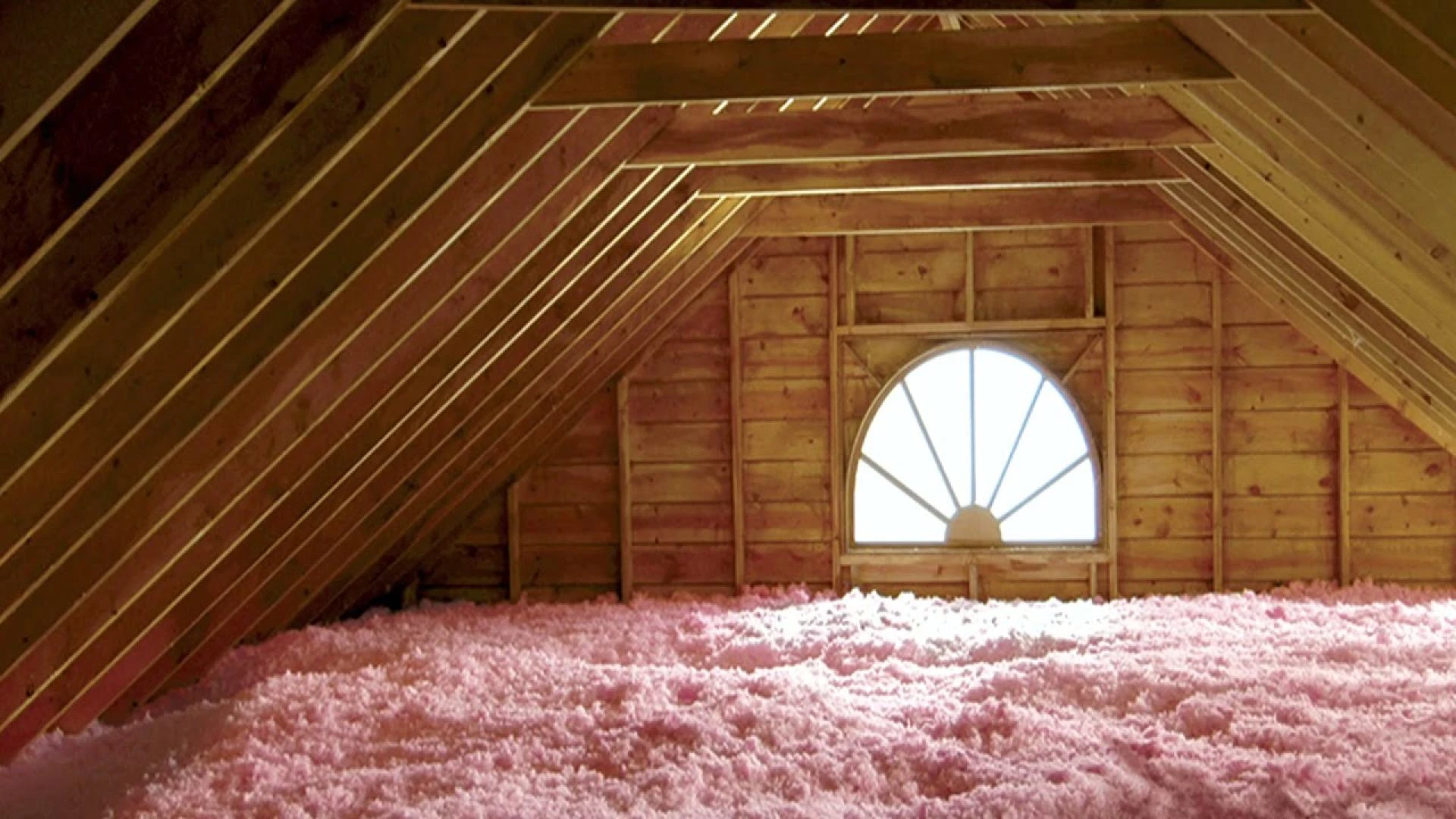
Once the attic is a clean, sealed box, the new insulation is installed. The method depends on the material chosen by the homeowner.
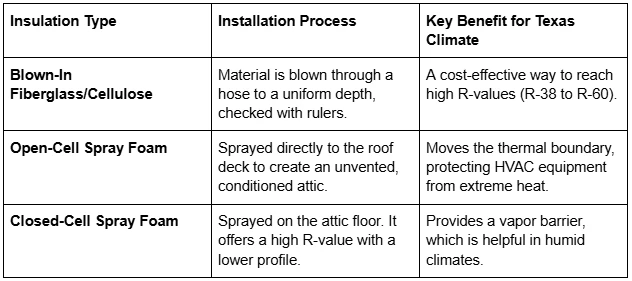
The choice of material will determine the exact process and its benefits for a Texas home. Here’s a comparison of common installation processes for different attic insulation types suitable for the New Braunfels climate:
The installation crew works methodically to ensure the insulation is applied to a consistent depth and that all corners and tight spaces are properly covered.
The Final Phase: Cleanup and Walkthrough
A professional job isn't complete until the home is left in the same condition it was in when the crew arrived.
Leaving the Home Clean
The crew will remove all their equipment and materials. They will roll up the protective sheeting, taking any dust and debris with them. Finally, they will vacuum the work area, including any hallways or stairs they used.
The Final Inspection
The crew leader should walk the homeowner through the completed project. If possible, they should show them the newly insulated attic. They will explain what work was done, show them the uniform depth of the new insulation, and answer any final questions.
Bonus Tip: Before the new insulation is installed, ask the contractor to take photos of the completed air sealing work. This is great for your records and provides peace of mind, as this critical work will soon be buried under a thick layer of insulation.
Things to Consider Before Starting Your Project
For homeowners in New Braunfels, there are a few key decisions to make before the project begins.
- Attic Floor vs. Roof Deck: The traditional approach is to insulate the attic floor. However, in a hot climate, insulating the roof deck to create an unvented attic is often a superior solution. This brings the attic and any HVAC equipment inside the home's conditioned envelope, making the equipment run more efficiently and last longer.
- Choosing the Right Material: Each insulation material has its pros and cons. Budget, performance goals, and the specific construction of the home will all influence the best choice.
- Selecting a Contractor: This is the most important decision. Homeowners should look for a contractor with a strong local reputation, proper insurance, and certifications. They should provide a detailed, written proposal that outlines every step of the project.
Common Questions During the Project
- Will it be loud? Yes. The insulation removal vacuum and the blowing machine for new insulation can be quite noisy.
- Do I need to leave my house? For blown-in insulation, no, but it will be loud. For spray foam insulation, the home must be vacated for 24 hours to allow the foam to cure and ventilate properly.
Your Attic Upgrade Questions Answered
What R-value is recommended for attics in New Braunfels?
New Braunfels is in Climate Zone 2. The general recommendation from the Department of Energy is an R-value between R-30 and R-60 for attics. An experienced local contractor can recommend the most cost-effective level for your specific home.
How do I know if my old insulation needs to be removed?
If the insulation is below the level of your ceiling joists, is compressed, or shows signs of water damage or pest infestation, it should be removed. In almost all cases, removal is recommended to allow for effective air sealing.
Will an attic insulation upgrade really make my house feel cooler?
Yes. A properly insulated and air-sealed attic is one of the most effective ways to reduce summer heat gain. It stops the superheated air in the attic from radiating down into your living spaces, which keeps the home more comfortable and lowers AC bills.
What happens to the old insulation after it's removed?
The contractor is responsible for bagging the old insulation and hauling it away for proper disposal according to local regulations.
Final Thoughts on Your Attic Project
An attic insulation upgrade is a smart investment for any homeowner in New Braunfels. By understanding the step-by-step process, from the initial assessment to the final cleanup, you can ensure you're working with a professional contractor who is committed to improving your home's comfort and energy efficiency. The key takeaway is that a quality job is about much more than just adding insulation; it's about creating a complete, sealed thermal boundary between your home and the Texas heat.
Getting a Professional Plan for Your Attic
The best way to get started is with a professional assessment of your attic's current condition. An expert can identify the specific issues contributing to high energy bills and discomfort and can provide a clear plan of action. For homeowners in the New Braunfels area, insulation specialists like the team at Stellrr offer this type of comprehensive evaluation. They can be reached at (512) 710-2839 or [email protected] to schedule an inspection and get a detailed proposal.
Reviewer: Sophia White has 8 years of experience in spray foam insulation. She reviewed this post and gave clear guidance on aligning business messaging with what customers actually care about.










Sign in to leave a comment.