

Transcranial Magnetic Stimulation (TMS) therapy has become a promising treatment for individuals struggling with mental health conditions like depression, anxiety, and PTSD. As an innovative, non-invasive treatment option, TMS therapy albany has been gaining traction in recent years, particularly in areas like Albany. This article will provide a comprehensive guide on what to expect from TMS therapy, from the procedure itself to potential benefits and side effects, helping those in Albany make informed decisions about their mental health treatment options.
Understanding TMS Therapy
Transcranial Magnetic Stimulation is a non-invasive procedure that uses magnetic fields to stimulate specific areas of the brain associated with mood regulation. This method has been approved by the FDA for the treatment of major depressive disorder and other mental health conditions that have not responded well to traditional therapies like medication or talk therapy.
How TMS Works
TMS works by sending targeted magnetic pulses to the prefrontal cortex, an area of the brain that plays a significant role in regulating mood, decision-making, and other cognitive functions. The magnetic pulses stimulate neurons in this area, helping to restore balance to the brain’s activity. This process is thought to improve mood and reduce the symptoms of depression, anxiety, and related disorders.
The Procedure
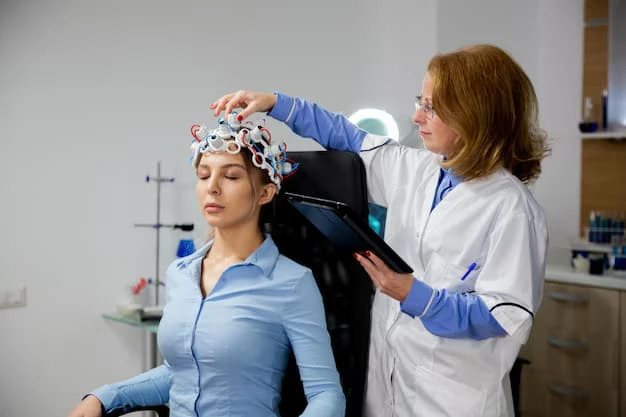
During a TMS session, the patient sits in a comfortable chair while a magnetic coil is placed on the scalp, typically over the area that requires stimulation. The patient remains awake throughout the procedure, which usually lasts between 20 to 40 minutes. The magnetic pulses are delivered in quick, repetitive bursts, which may cause a mild tapping sensation or a slight tingling on the scalp. Most people find the procedure tolerable, and while it may feel a bit odd at first, it is not generally painful.
What to Expect During TMS Therapy Sessions
Each TMS therapy session is typically scheduled for five days a week, lasting anywhere from four to six weeks. The exact duration of treatment will vary based on the individual’s needs and the condition being treated.
Pre-Treatment Evaluation
Before beginning TMS therapy, patients undergo a thorough evaluation. This evaluation typically includes a mental health assessment and a physical examination to ensure TMS is an appropriate treatment option. The healthcare provider will ask about medical history, current medications, and any prior treatments that have been tried.
Customized Treatment Plan
Once the evaluation is complete, the healthcare provider will develop a customized treatment plan based on the patient’s specific needs. This includes determining the exact area of the brain to target, adjusting the strength of the magnetic pulses, and setting the frequency of the sessions.
Number of Sessions
On average, a full course of TMS therapy involves 30 to 36 sessions, although the number can vary depending on the individual. For example, patients with more severe symptoms may require additional sessions or a longer treatment period. Some people may start feeling improvements after a few sessions, while others may need the full course before experiencing noticeable benefits.
Benefits of TMS Therapy
TMS therapy has been shown to have a range of benefits, particularly for individuals who have not found relief from traditional treatments. Below are some of the key advantages:
Non-Invasive and Drug-Free
One of the biggest draws of TMS therapy is that it is a non-invasive procedure. Unlike other treatments such as medication or electroconvulsive therapy (ECT), TMS does not involve surgery, anesthesia, or the use of drugs. This makes it a more appealing option for those who are hesitant to take medication or who may have experienced side effects from other treatments.
Effective for Treatment-Resistant Conditions
TMS has shown effectiveness in treating patients with treatment-resistant depression, meaning those who have not responded well to other forms of therapy or medication. Studies have found that TMS can help reduce depressive symptoms and improve overall mood, providing relief when other options have failed.
Minimal Side Effects
The side effects associated with TMS therapy are generally mild and temporary. The most common side effect is a mild headache, which typically resolves shortly after the session. Some patients may also experience scalp discomfort or tingling, but these sensations usually subside as the body adjusts to the treatment.
Long-Lasting Results
Many patients who undergo TMS therapy report experiencing long-lasting relief from their symptoms, particularly those with depression. After completing a full course of treatment, some individuals experience significant improvements that continue for months or even years. In some cases, patients may need occasional maintenance sessions to sustain the benefits.
What Are the Side Effects of TMS Therapy?
While TMS therapy is generally well-tolerated, there are some side effects that patients should be aware of. These side effects are usually mild and temporary, but it is important to understand what to expect.
Common Side Effects
- Headache: A mild headache is one of the most common side effects, typically occurring after the treatment session. Over-the-counter pain relievers can help alleviate this.
- Scalp Discomfort: Some individuals may feel mild discomfort or tingling on the scalp during or after the session.
- Dizziness: Although less common, some patients report feeling lightheaded or dizzy after a session.
Rare but Serious Side Effects
In rare cases, TMS therapy can cause more serious side effects, such as seizures. However, the risk of seizures is extremely low, and the procedure is conducted under careful supervision to ensure patient safety.
Monitoring During Treatment
Throughout the treatment process, patients are monitored for any adverse effects. If any side effects are experienced, adjustments can be made to the treatment parameters to reduce discomfort or risk.
Is TMS Therapy Right for You?
TMS therapy is a viable option for individuals struggling with conditions like depression, anxiety, and PTSD, particularly if other treatment methods have not been effective. However, it is important to consult with a healthcare professional to determine whether TMS is the right choice.
Eligibility for TMS Therapy
Not everyone is a suitable candidate for TMS therapy. Patients should have a history of treatment-resistant depression or other mental health conditions and should not have any contraindications, such as a history of seizures or implanted devices like a pacemaker. Your healthcare provider will assess your eligibility during the pre-treatment evaluation.
Duration and Commitment
TMS therapy requires a commitment to daily sessions over a period of weeks, which may be a consideration for individuals with busy schedules. Patients should be prepared for the time commitment involved in attending daily appointments.
Cost Considerations
The cost of TMS therapy can vary depending on location, treatment facility, and whether insurance covers the procedure. Many insurance plans now offer coverage for TMS therapy, especially for patients with depression that has not responded to other treatments. It is important to verify insurance coverage before beginning treatment.
Conclusion
TMS therapy offers a promising treatment option for individuals struggling with mental health conditions like depression and anxiety, particularly those who have not found success with other treatments. With its non-invasive nature, minimal side effects, and potential for long-term improvement, TMS is a valuable tool in modern mental health care.
If you are considering TMS therapy in Albany, Pinnacle Behavioral Health provides professional and compassionate care, helping you navigate your treatment journey with confidence. If you have further questions or wish to explore whether TMS therapy is right for you, their team is ready to guide you through the process.












Sign in to leave a comment.