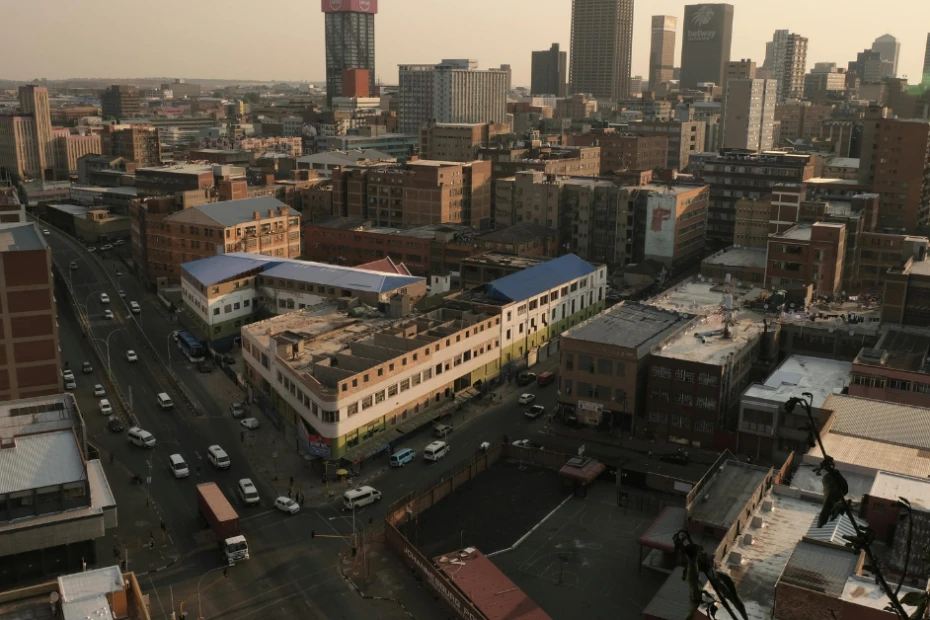

Johannesburg is a big city with a lot of moving parts, and finding a place to live here takes a bit more thought than just picking something that looks good in photos. Rent prices vary a lot depending on the area, the building, what’s included, and how close you are to main roads and public transport. Getting it right from the start saves a lot of frustration later.
Whether you’re relocating for work, moving out for the first time, or just looking for something closer to where you need to be, the rental market in Joburg has options at most price points. The key is knowing what you’re looking for before you start, and understanding what questions to ask before you sign anything.
Choosing the Right Area
Johannesburg is not one city in the way that Cape Town or Durban feels like one city. It’s a collection of suburbs, nodes, and neighbourhoods that each have their own character, price range, and practical considerations. Where you choose to stay will affect your commute, your safety, your social life, and your monthly costs in ways that go beyond just the rent itself.
The northern suburbs, places like Sandton, Rosebank, Fourways, and Randburg, tend to attract professionals and offer a range of well-managed apartment complexes with security. Rent in these areas is generally higher, and you pay a premium for proximity to major business nodes and lifestyle amenities.
The inner city and areas around the CBD have changed significantly over the past decade. There has been a lot of investment in residential buildings in and around the city centre, and for people who work in the CBD or nearby, staying close makes a lot of sense. Transport links are better, commute times are shorter, and rent tends to be more affordable than in the northern suburbs. If you’re looking at flats to rent in Johannesburg CBD, you’ll find a growing number of well-managed buildings that have been converted or purpose-built for residential use.
Areas like Braamfontein, Maboneng, and parts of Jeppestown have attracted younger tenants, students, and creative professionals who want to be central without paying Sandton prices. These areas have their own energy and are within easy reach of universities, transport hubs, and cultural spots.
Southward, areas like Soweto, Eldorado Park, and Lenasia offer more affordable options and are well-established residential communities with good local amenities. For people who work in the south or west of the city, these areas cut out a lot of unnecessary travel.
Flats vs Apartments: Is There a Difference?
In South Africa, the words “flat” and “apartment” are often used for the same thing. In practice, some people use “flat” to refer to older-style units in walk-up buildings, while “apartment” tends to suggest something in a newer or more secure complex. The distinction isn’t strict, and in most property listings you’ll see both terms used without much consistency.
What matters more than the label is what the unit actually offers. A well-maintained older flat in a good area can be a better choice than a newer apartment in a poorly managed building. Look at the building management, the security setup, the condition of common areas, and what other tenants say about living there.
What Affects the Price of Renting
Rent in Johannesburg is driven by a few main factors. Location is the biggest one. A one-bedroom unit in Sandton can cost two or three times more than a similar unit in Roodepoort, even if the apartment itself is comparable in size and quality.
Security is the second big factor. Buildings with full-time guards, access control, CCTV, and electric fencing tend to command higher rents. In Johannesburg, this is less of a luxury feature and more of a baseline expectation for most tenants. People factor security into their decisions heavily, and landlords know this.
Parking is worth paying attention to. In older buildings or CBD areas, parking is sometimes separate from the rental cost or not available at all. If you have a car, confirm upfront what the parking situation is and what it costs.
Inclusions matter too. Some units include water and rates in the rental amount. Others bill for everything separately. A unit that looks cheaper on paper might end up costing more once you factor in utilities. Get a full picture of what the monthly cost actually looks like before comparing options.
Finding Flats and Apartments to Rent
There are a few ways to go about the search. Property portals list flats to rent across the city with photos, pricing, and contact details. These are a good starting point for getting a feel for what’s available at different price points in different areas. You can filter by location, number of bedrooms, and price range, which makes the initial shortlisting process fairly quick.
Estate agents and letting agencies operate across Johannesburg and can be helpful if you want someone to do the legwork. They typically know the local market well, can arrange viewings, and handle a lot of the admin around lease agreements and deposits. Their fees are usually paid by the landlord, so there’s generally no direct cost to you as a tenant.
Walking the area you want to stay in is still one of the better ways to find something. Particularly in older suburbs and the CBD, buildings often have boards up advertising vacancies that don’t always make it onto the major property portals. If there’s a specific street or block you like, it’s worth knocking on the management office door directly.
Renting in the CBD and Inner City
There’s been genuine investment in the Johannesburg inner city over the past ten years, and the quality of residential accommodation there has improved a lot. For people looking at apartments to rent in Johannesburg, the CBD and surrounding precincts now offer options that weren’t there before, with proper security, managed common areas, and amenities like gyms and laundry facilities in some newer buildings.
The CBD is also one of the better-connected parts of the city in terms of public transport. The Rea Vaya BRT system, the Gautrain bus routes from Park Station, and minibus taxi routes all converge in and around the city centre. For people who don’t own a car or want to reduce how much they drive, being centrally located has real practical value.
Braamfontein in particular has become a well-known residential and social hub close to the CBD. It’s home to a number of universities and has a concentration of coffee shops, markets, and restaurants that make it feel active through the week. Rent here sits at a mid-range price point and tends to attract students and young professionals.
What to Check at a Viewing
When you go to view a unit, it’s worth being thorough rather than just checking whether it looks nice. Walk-throughs should cover the condition of taps, the water pressure, whether the geyser works, the state of the electricity supply, and whether there are any signs of damp or water damage on walls and ceilings.
Check phone signal and internet connectivity if those things matter to your daily life. In some older buildings and certain parts of the CBD, connectivity can be inconsistent. If you work from home, this is worth confirming before you commit.
Ask about load shedding arrangements. Buildings with backup generators are more common now, but not universal. Find out which circuits the generator covers. Some buildings power common areas and security but not individual units. Others cover the full building. Knowing this upfront lets you plan accordingly.
Ask about the body corporate or building management. Who do you contact if something breaks? How quickly do they respond? Talk to a current tenant if you get the chance. Their experience will tell you more than any brochure.
Signing the Lease
Lease agreements in South Africa are governed by the Rental Housing Act. Before signing anything, read the full document. Check the rental amount, the deposit amount (usually one or two months’ rent), the lease period, and the notice terms. Make sure anything the landlord promised verbally is written into the agreement.
The deposit must be held in an interest-bearing account and returned to you at the end of the lease, minus any deductions for legitimate damage. Do a joint inspection when you move in and document the condition of the unit with photos. Do the same when you move out. This protects both you and the landlord and avoids disputes over what was already there before you arrived.
Making the Right Choice
Finding apartments to rent in a city the size of Johannesburg takes patience. There are a lot of options, and the difference between a good rental experience and a frustrating one often comes down to the building management and the neighbourhood, not just the unit itself.
Take your time, ask the right questions, and don’t rush into something because it looks good in photos. Visit in person, talk to people who live there, and make sure the numbers work for your full monthly budget including transport, utilities, and parking. The right place is out there, and getting the groundwork right makes everything that follows much easier.
People looking at flats to rent in Johannesburg will find that the city rewards those who do a bit of research upfront. Johannesburg has far more variety than people give it credit for, and with the right approach, finding a comfortable, well-located place to live is very achievable at most budget levels.






Sign in to leave a comment.