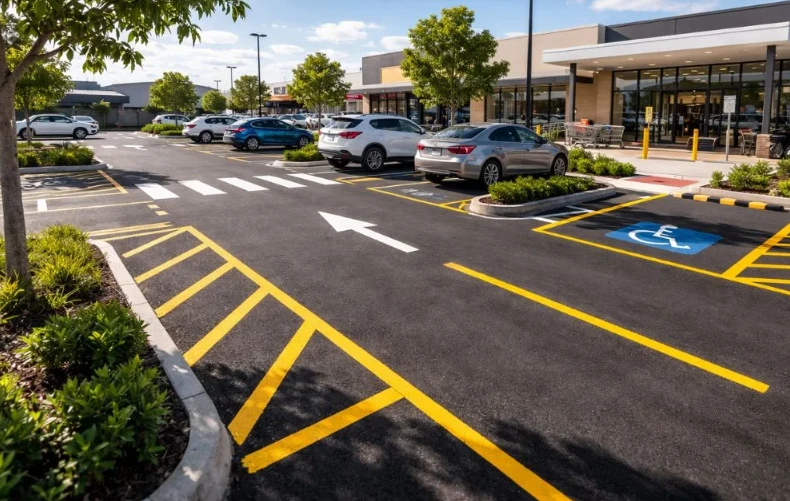

Line marking plays a vital role in Melbourne's busy urban landscape, guiding traffic in car parks, enhancing safety on roads, and organising warehouse floors. From bustling commercial hubs in the western suburbs to sports fields across Victoria, precise lines ensure compliance with Australian safety standards and improve operational efficiency. For businesses and property managers, understanding the tools and materials involved helps in selecting reliable services like those offered by Western Suburbs Line Marking.
Professionals in this field rely on specialised equipment to deliver durable, high-visibility results tailored to Melbourne's varied surfaces and weather conditions. This guide explores the key tools and materials used, drawing on industry practices to provide practical insights.
Essential Tools for Line Marking
Line marking machines form the backbone of professional operations, ensuring straight, consistent lines far superior to manual methods. Hand-guided trolley machines suit smaller jobs, such as marking out parking bays in suburban car parks, while ride-on models handle large-scale projects like warehouse floors or road resurfacing.
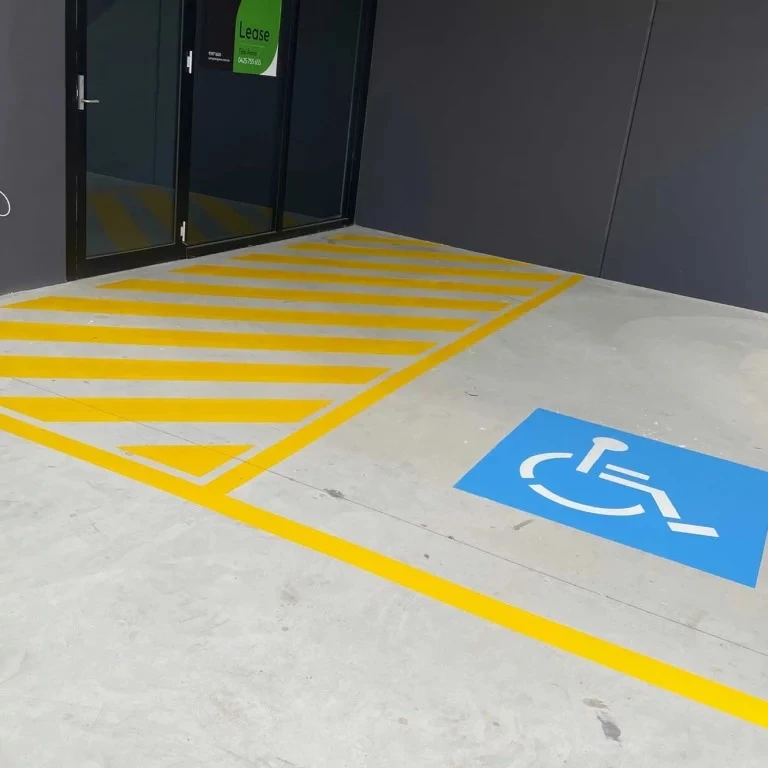
Stencils and templates allow for custom symbols, from disabled parking signs to directional arrows, meeting strict Australian Standards AS 2890.1 for off-street parking. Measuring tapes and laser levels provide precision, critical on uneven asphalt or concrete common in Melbourne's older infrastructure.
Surface preparation tools, including grinders and scarifiers, remove old markings before new applications, preventing peeling or fading. High-pressure cleaners ensure surfaces are free of debris, promoting adhesion in Melbourne's rainy climate.
Common Materials for Durable Markings
Water-based acrylic paints offer a cost-effective choice for general use, drying quickly and providing good visibility on asphalt and concrete. These paints meet environmental regulations in Victoria, with low VOC emissions, making them ideal for indoor warehouses or school grounds.
Thermoplastic materials deliver superior longevity, heated and applied as a molten liquid that bonds chemically to surfaces. Resistant to heavy traffic and UV exposure, they excel in high-wear areas like Melbourne's busy shopping centre car parks, lasting up to five times longer than paint.
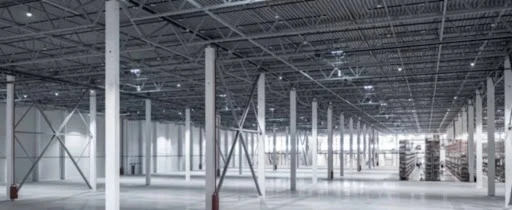
Two-pack epoxy paints provide a robust alternative for industrial settings, cured with a hardener for chemical resistance. Often topped with polyurethane sealers, they withstand oil spills and forklift traffic in distribution centres.
For temporary needs, like events or construction sites, aerosol cans or marking powders suffice, though professionals prefer long-term solutions. Reflective glass beads added to paints enhance night visibility, crucial for Melbourne's 24-hour operations.
Application Techniques in Melbourne
Preparation starts with cleaning and grinding to create a smooth base, followed by priming for better adhesion. Machines then apply materials at controlled thicknesses, typically 1.5 to 3 mm for thermoplastics, ensuring uniformity.
For car parks, standard layouts follow AS 2890.1, with bays marked at 2.4 m by 5.3 m for perpendicular parking. Warehouses use colour-coded aisles, yellow for forklifts and white for pedestrian paths, improving safety under WorkSafe Victoria guidelines.
Road marking demands traffic management, with cones and barriers during application. Cure times vary: paints dry in 15-30 minutes, while thermoplastics set in minutes but reach full strength in 24 hours.
Custom stencils handle logos or safety warnings, extruded or hand-cut for precision. In sports facilities, curved lines for fields require adjustable machines.
Factors Influencing Tool and Material Choice
Surface type dictates selections: asphalt favours acrylics, while concrete suits epoxies. Melbourne's temperate climate with occasional storms means UV-stable materials prevent chalking.
Traffic volume guides durability needs; low-use paths take basic paints, heavy roads need thermoplastics. Budgets balance initial costs against lifespan, with thermoplastics proving economical long-term.
Compliance with local council regulations, such as those from City of Melbourne or Wyndham Council, mandates retro-reflective properties for public areas. Environmental factors favour water-based options amid Victoria's sustainability push.
Maintenance and Removal Processes
Over time, lines fade from wear or repaving, requiring removal via grinding or chemical strippers. Diamond grinders pulverise markings without damaging substrates, followed by priming for reapplications.
Overlay techniques cover old lines with new materials, saving time on large sites. Regular inspections spot issues early, extending line life.
Professionals schedule maintenance during off-peak hours, minimising disruptions.
Why Choose Expert Services in Melbourne
Selecting experienced providers ensures quality and compliance, avoiding costly rework. Western Suburbs Line Marking uses state-of-the-art tools and materials for projects across Melbourne's western suburbs, from small car parks to expansive warehouses. Their team delivers precise Line Marking in Melbourne, backed by years of local expertise.
Businesses benefit from tailored advice on materials suited to specific needs, enhancing safety and aesthetics.
Safety and Best Practices
Safety gear, including respirators and high-vis vests, protects workers during applications. Site assessments identify hazards like wet surfaces or heavy traffic.
Post-application, barriers prevent access until cured, reducing slip risks.
Training in equipment handling ensures consistent results, aligning with Australian OHS standards.
In summary, effective line marking in Melbourne combines advanced tools like marking machines and stencils with durable materials such as thermoplastics and epoxies. By prioritising preparation, compliance, and expertise from firms like Western Suburbs Line Marking, property owners achieve long-lasting, safe markings that stand up to daily demands.










Sign in to leave a comment.