A Classical Reference That Still Guides Clinical Understanding
“रोगाः सर्वे अपि मन्देऽग्नौ” — rogāḥ sarve api mande’gnau
(“Many diseases begin when the digestive fire is disrupted.”)
This line from the classical medical texts is not philosophical; it is a clinical observation. When digestion, metabolism, and gut regulation are disturbed, the rest of the body begins to show subtle signs of imbalance. Modern research today points in the same direction especially when it comes to the connection between the gut and the heart.
Why the Gut–Heart Link is Becoming One of the Most Important Areas in Medicine
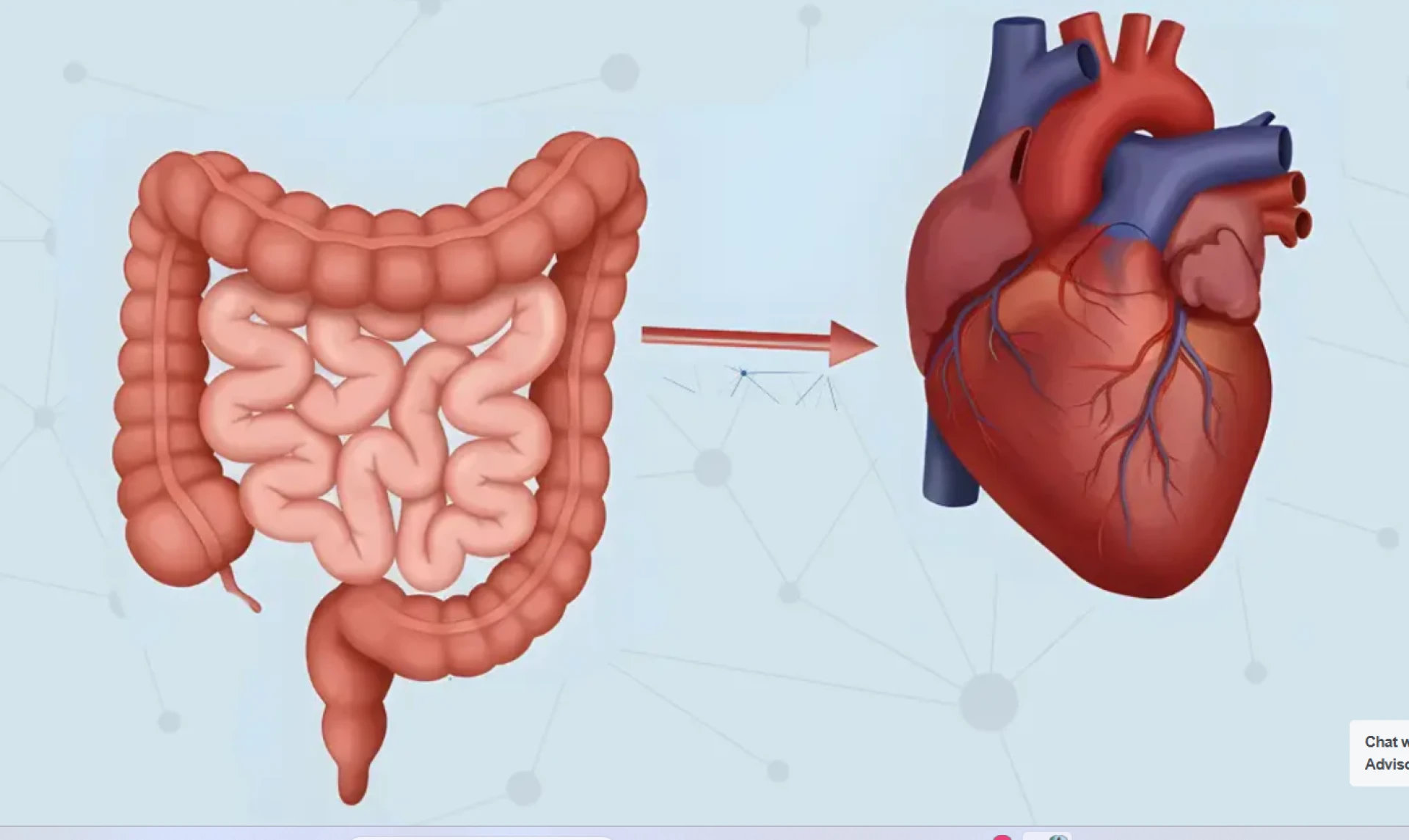
When patients think about heart health, they picture cholesterol, stress, blood pressure, or family history. Very few imagine that their gut the place they believe is responsible only for digestion might be influencing their cardiovascular risk. Yet, as doctors, we now know that the gut is not just a digestive organ. It is an active metabolic and immune organ that continuously communicates with your heart through chemicals, immune signals, and microbial activity.
The more we study this, the clearer it becomes: your heart pays attention to what is happening in your gut, every single day.
What Exactly Lives in Your Gut?
Did you know that your gut is home to trillions of microorganisms bacteria, fungi, and other microbes. This ecosystem, or colony is called the gut microbiome that supports digestion, vitamin synthesis, immunity, and even emotional balance. When this ecosystem is in harmony, the body thrives. But when the balance is disturbed, something called “dysbiosis” develops.
This dysbiosis is no longer considered harmless. It is now linked to inflammation, metabolic changes, hormonal fluctuations, and increasingly, to cardiovascular problems.
How the Gut Influences Heart Health: The Science is Clear
One of the strongest scientific findings today is about a compound called TMAO (Trimethylamine N-oxide). Certain gut bacteria produce TMAO when digesting specific foods like red meat and eggs.
Research shows that:
- high TMAO levels may contribute to heart attacks,
- they may accelerate plaque formation in arteries,
- and they may increase the risk of stroke.
- Here is the Research link you can check
This is not the only pathway. When the gut microbiome is unhealthy, it may raise inflammation markers in the blood, influence how cholesterol is handled by the liver, and even affect blood pressure regulation. These changes slowly place the heart under stress.
Early Signs That Suggest Your Gut Might Be Affecting More Than Digestion
Many people ignore early digestive symptoms because they appear “mild” or “routine.” But these signs can indicate deeper imbalance:
- frequent bloating,
- irregular bowel movements,
- unexplained fatigue,
- heaviness after meals,
- sensitivity to certain foods,
- mood fluctuations.
When these early signs continue for months or years, they may silently increase heart risks. This is why complete evaluation is important — not just for the gut, but also for overall metabolic and cardiovascular health.
The Inflammation Connection: How the Gut Can Trigger Systemic Stress
Dysbiosis increases intestinal permeability, allowing certain metabolites to enter the bloodstream. This is commonly referred to as “leaky gut,” but medically, it refers to impaired barrier function.
When this barrier weakens:
- inflammatory chemicals rise,
- immune activity becomes over-reactive,
- and this creates a chronic low-grade inflammatory state.
Chronic inflammation is a known contributor to high blood pressure, arterial stiffness, and cardiac dysfunction.
Cholesterol Metabolism: Why a Gut Imbalance Can Reflect in Your Lipid Profile
Doctors often see patients who maintain good diets and lifestyles yet continue to show borderline cholesterol values. In many of these individuals, the gut plays a crucial role.
Dysbiosis can:
- reduce beneficial bacteria that help in lipid metabolism,
- increase the bacteria that produce harmful metabolites,
- alter bile acid recycling,
- and indirectly raise LDL or triglycerides.
This explains why two people with similar diets can have very different cholesterol numbers.
Blood Pressure and the Gut: A Link Most Patients Don’t Expect
Emerging studies now show that gut microbes play a role in producing short-chain fatty acids (SCFAs) that help regulate vascular tone. When these beneficial microbes reduce, the body loses a natural mechanism that helps keep blood pressure stable.
This is why gut health is becoming an essential area in hypertension management as well.
Click here to talk with Best ayurveda doctor in bangalore













Sign in to leave a comment.