
Source: The Pink Foundry
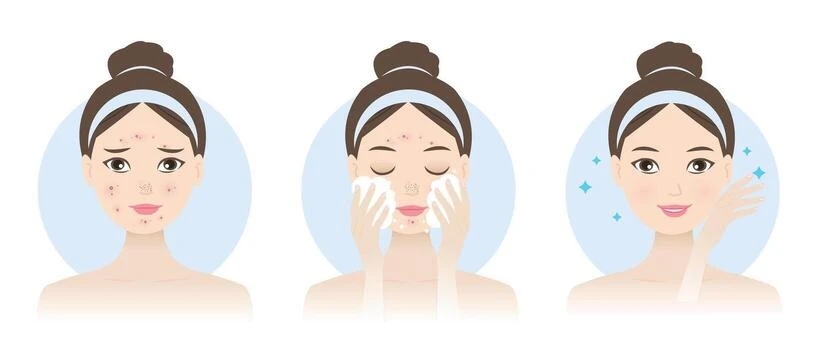
Most people remember their first pimple. It might have appeared before a school event, during puberty, or at a stressful moment. At the time, it felt temporary and harmless. Few people realize that when and how acne first appears can offer important clues about how it behaves later in life.
Adult acne does not come out of nowhere. It often follows patterns that start early, shaped by hormones, skin type, lifestyle, and how the skin was treated during its first encounters with breakouts. Understanding these patterns can help you manage acne more effectively instead of fighting it blindly.
Early Acne and Hormonal Sensitivity
If your first pimples appeared during early puberty, it often points to hormone sensitive skin. During adolescence, rising androgen levels increase oil production. For some people, the skin adapts over time. For others, oil glands remain highly responsive well into adulthood.
This is why many adults experience recurring acne along the jawline, chin, and lower face. These areas are particularly sensitive to hormonal fluctuations caused by stress, menstrual cycles, and lifestyle changes.
Managing hormone influenced acne requires consistency rather than aggression. Gentle cleansing with a product like the California Skin Plus Acne Control Cleanser helps control excess oil while maintaining balance, which is crucial for hormonally reactive skin.
Teenage Acne and Long Term Skin Memory
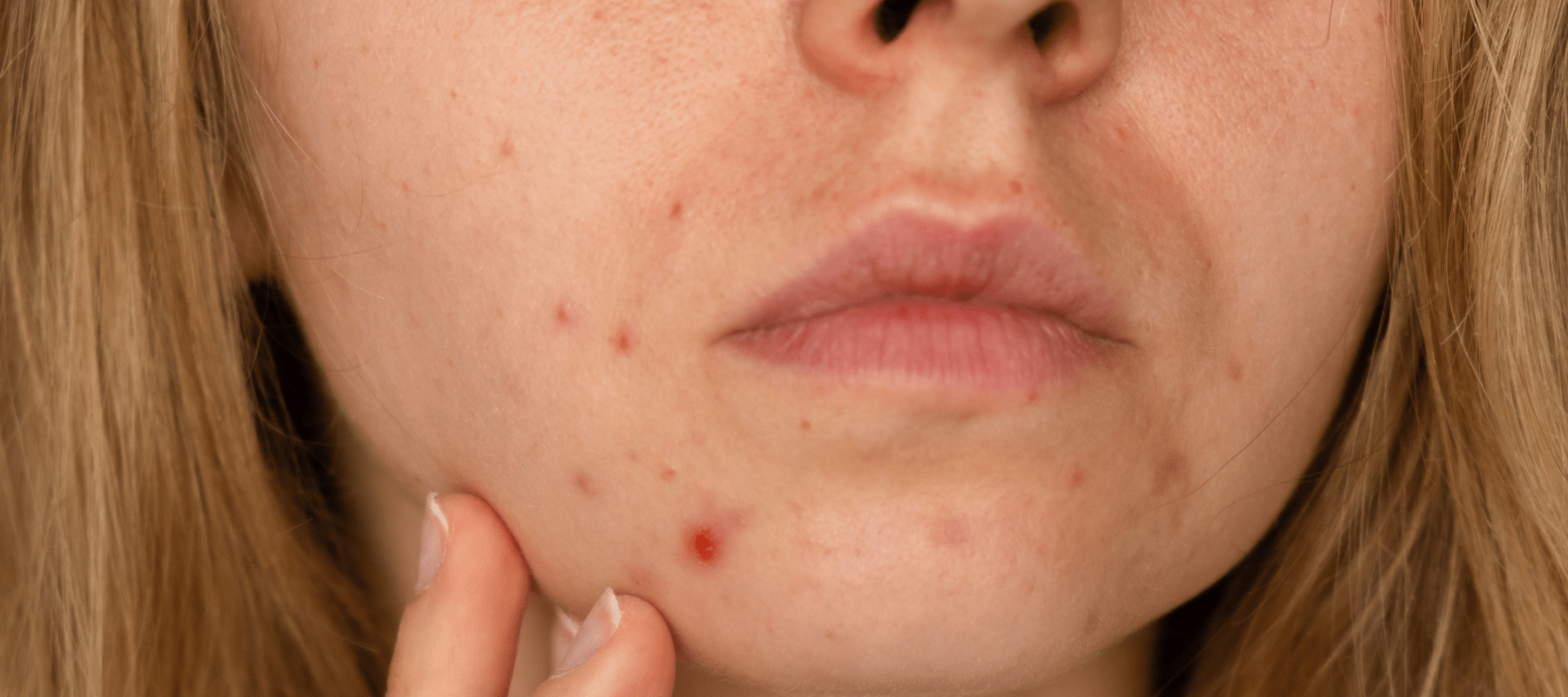
Skin has memory. If acne during teenage years was treated harshly with strong scrubs, alcohol based toners, or frequent extractions, the skin barrier may have been weakened early on. This often leads to adult skin that is sensitive, reactive, and prone to inflammation.
Source: Pubmed Central
Adults who had severe teenage acne frequently struggle with cycles of dryness and breakouts. The skin tries to protect itself by producing more oil, leading to clogged pores and recurring pimples.
Rebuilding the barrier becomes essential in these cases. A product like the California Skin Plus Barrier Repair Moisturizer helps restore hydration and strengthen the skin’s protective layer, making it less reactive over time.
Late Onset Acne and Lifestyle Triggers
Some people do not experience acne until their twenties or thirties. This type of adult onset acne is often linked to lifestyle factors such as stress, sleep disruption, diet changes, or new skincare habits.
Because the skin was previously clear, late onset acne can feel especially frustrating. Many people respond by over treating, which worsens inflammation instead of resolving it.
Targeted treatments work best for this pattern. A balanced formula like the California Skin Plus Acne Control Serum helps address congestion and uneven texture gradually without overwhelming skin that is not used to aggressive actives.
For sudden flare ups, controlled use of California Skin Plus 1 Hour Acne Spot Relief can help reduce inflammation quickly while the overall routine stays gentle.
What Acne Location Says About Your Skin
Where your first pimples appeared can also be revealing. Forehead acne is often linked to oil production and hair or product buildup. Cheek acne may relate to friction, hygiene habits, or barrier weakness. Jawline acne frequently points to hormonal sensitivity.
Understanding these patterns helps prevent unnecessary routine changes. Acne is not random. It follows biological and environmental cues.
Supportive habits like using California Skin+ Triple Action Acne Relief Pimple Patches can help protect active pimples from bacteria and picking, especially in high friction areas like the cheeks or jawline.
The Role of Barrier Health in Adult Acne
Source: Simple Skincare
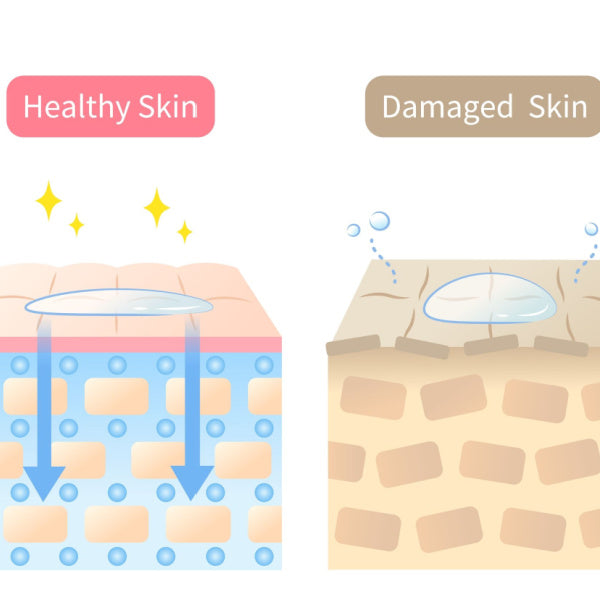
Adult acne is often less about excess oil and more about inflammation. A compromised barrier allows irritants and bacteria to penetrate more easily, triggering breakouts even when oil levels are normal.
This is why many adults experience both dryness and acne simultaneously. Supporting barrier health reduces sensitivity and improves treatment tolerance.
Daily protection also matters. Using California Skin+ Acne Defense Sunscreen helps prevent inflammation and post acne marks caused by UV exposure, which can worsen the appearance of adult acne.
Breaking Generational Acne Patterns
Acne patterns often repeat because routines repeat. Treating adult acne the same way teenage acne was treated leads to similar results. Shifting to barrier supportive, consistent care creates a new outcome.
Educational resources on World of California help explain how acne evolves over time, while the California Skin Plus range supports acne prone skin through every stage without overwhelming it.
Learning From Your Skin’s History
Your first pimple was not meaningless. It was the beginning of a conversation between your skin and your environment. Listening to that history helps you make better decisions today.
Adult acne improves faster when routines respect skin memory rather than trying to erase it.
FAQs
Does teenage acne predict adult acne
Yes. Early hormone sensitivity and barrier damage can influence acne later in life.
Why did my acne come back as an adult
Stress, lifestyle changes, and weakened barrier function often trigger adult acne.
Is adult acne harder to treat
It can be more persistent, but it responds well to consistent, gentle routines.
Should adult acne be treated differently than teenage acne
Yes. Adult skin benefits more from barrier repair and targeted treatments than harsh methods.
Sign in to leave a comment.