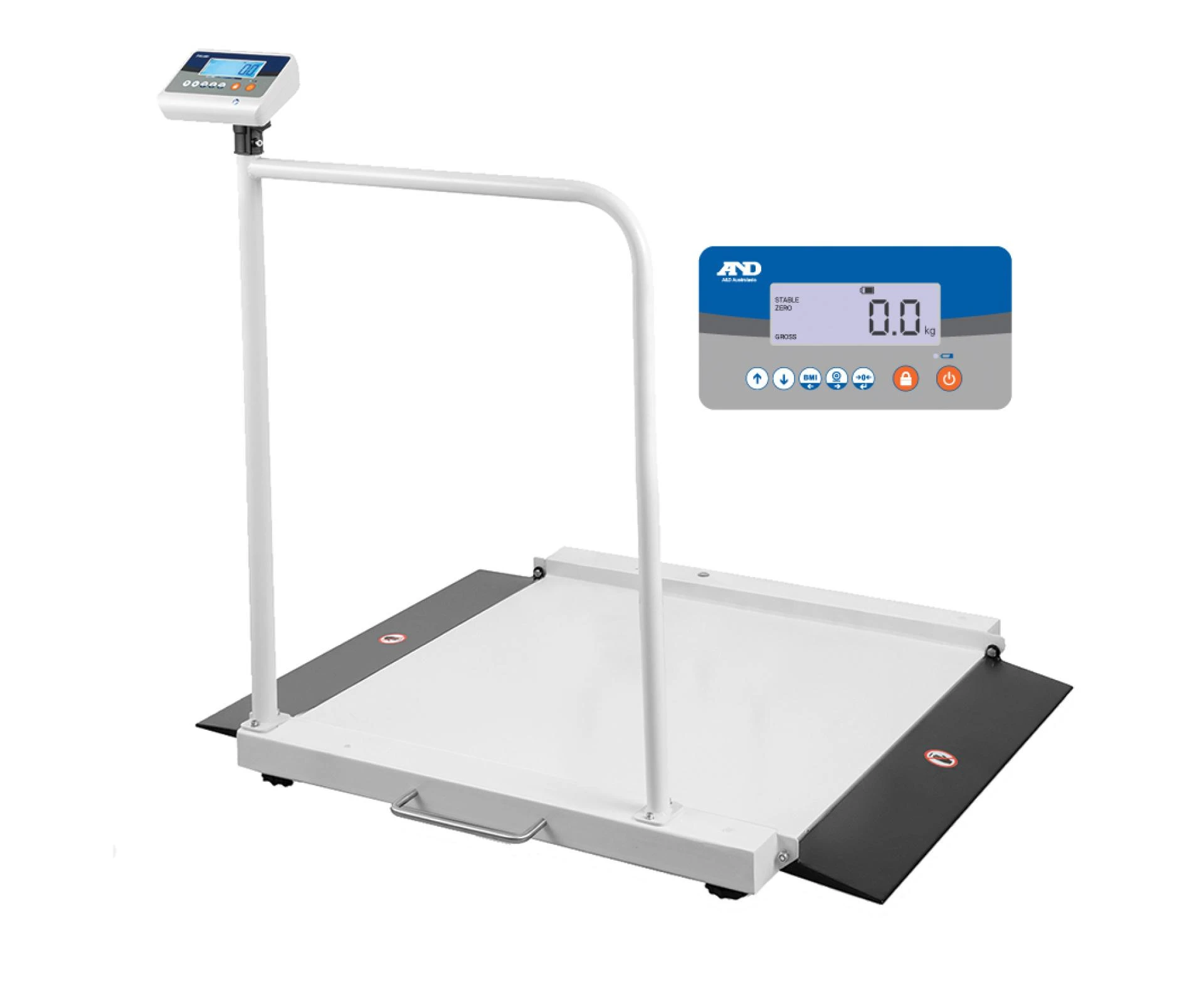

Accurate weight measurement is a critical component of healthcare, influencing medication dosing, nutritional assessments, and overall patient care. For patients with mobility limitations—particularly pediatric and geriatric populations—traditional scales may not be practical or safe. Wheelchair scales have emerged as essential tools in these settings, enabling precise, comfortable, and safe weighing for patients who cannot stand independently.
However, measuring weight in these populations requires special considerations to ensure safety, accuracy, and patient comfort.
Why Wheelchair Scales Are Essential
Wheelchair scales are designed to accommodate patients who use wheelchairs, walkers, or other mobility aids, allowing caregivers to obtain accurate weight measurements without the need for transfers or complex positioning. For pediatric and geriatric patients, wheelchair scales are particularly valuable due to:
- Reduced risk of falls and injury: Transferring a child or elderly patient to a standing scale can be dangerous. Wheelchair scales allow the patient to remain seated safely.
- Improved accuracy: Weight measurements taken in the patient’s wheelchair can be precise when combined with tare functions to account for the weight of the chair.
- Enhanced comfort: Pediatric and geriatric patients may experience fatigue, anxiety, or discomfort when asked to stand. Seated weighing reduces stress and ensures cooperation.
- Time efficiency: Healthcare staff can weigh patients quickly, which is especially important in busy clinical settings.
Wheelchair scales are not just convenient—they are essential for safe and accurate patient management in hospitals, clinics, nursing homes, and pediatric care centers.
Special Considerations for Pediatric Patients
Weighing pediatric patients presents unique challenges. Children, particularly infants and toddlers, may be unable to remain still or follow instructions during weighing. Wheelchair scales designed for pediatric use address these challenges through several features:
1. Safety Restraints and Secure Platforms
- Pediatric wheelchair scales often include straps, belts, or side guards to prevent falls or sudden movements.
- Non-slip surfaces ensure the wheelchair remains stable during weighing.
2. Appropriate Capacity and Size
- Pediatric scales are designed to accommodate smaller wheelchairs or strollers.
- Some models have lower platform heights for easier access and safer positioning.
3. Precise Measurement Sensitivity
- Children’s smaller body mass requires high-precision scales capable of measuring even minor weight changes.
- Accurate readings are critical for growth monitoring, medication dosing, and nutritional assessments.
4. Ease of Cleaning and Hygiene
- Pediatric scales often feature smooth, easy-to-clean surfaces to reduce the risk of infections.
- Disinfectable components are essential in multi-patient environments, such as pediatric wards or clinics.
Special Considerations for Geriatric Patients
Geriatric patients often face mobility limitations, balance issues, and chronic health conditions, making seated weighing safer and more practical than standing scales. Special considerations include:
1. Sturdy, High-Capacity Design
- Geriatric patients may use larger or motorised wheelchairs, requiring scales with higher weight capacities and robust construction.
- Platforms must accommodate a variety of wheelchair sizes and weights without compromising safety.
2. Low-Profile Platforms and Ramps
- Low-profile scales with gentle ramps reduce the effort needed to position a wheelchair on the scale.
- Minimising incline ensures patient safety and comfort, particularly for those with arthritis, muscle weakness, or cardiovascular limitations.
3. User-Friendly Interface
- Large, clear digital displays help caregivers read measurements easily without needing to bend or strain.
- Some scales feature wireless or remote displays for added convenience.
4. Tare Function for Wheelchairs
- Modern wheelchair scales include a tare function that subtracts the weight of the chair or mobility device, ensuring accurate body weight measurements.
- This feature is particularly important for geriatric patients who rely on heavier power chairs.
Safety Features to Look for in Wheelchair Scales
Patient safety is the highest priority when selecting a wheelchair scale. Key safety features include:
- Non-slip Platform: Prevents wheelchairs from sliding during weighing.
- Side Guards or Barriers: Helps keep the wheelchair securely positioned.
- Low-Profile Design: Minimises lifting or tilting, reducing fall risk.
- Emergency Stop or Brake: Some scales include integrated brakes to lock the scale during use.
- Smooth Ramp Access: Ensures easy entry and exit for wheelchairs without strain.
- Weight Capacity Indicators: Alerts staff if the scale is overloaded, preventing accidents and damage.
Implementing these features helps healthcare providers weigh patients safely and accurately, even in busy clinical settings.
Best Practices for Using Wheelchair Scales
To ensure accuracy and patient safety, healthcare providers should follow best practices when using wheelchair scales:
1. Proper Positioning
- Ensure the wheelchair is fully on the platform and aligned with the scale.
- Lock the wheelchair brakes to prevent movement during weighing.
- Encourage patients to remain seated and still throughout the measurement.
2. Zeroing and Tare Functions
- Zero the scale before use to ensure accuracy.
- Use the tare function to subtract the weight of the wheelchair or mobility device.
3. Regular Maintenance and Calibration
- Regular calibration ensures the scale maintains accuracy over time.
- Inspect the platform and ramps for wear, damage, or instability.
- Clean and disinfect the scale between patients to maintain hygiene standards.
4. Training Staff
- Staff should be trained on proper scale operation, including safety features and emergency procedures.
- Familiarity with the scale reduces errors, prevents accidents, and improves patient comfort.
Benefits Beyond Accurate Weight Measurement
Wheelchair scales provide benefits beyond simply recording a patient’s weight. These include:
- Medication Safety: Accurate weight measurements support correct dosing, which is crucial for pediatric and geriatric patients.
- Nutritional Monitoring: Weight trends help identify malnutrition, obesity, or fluid retention, enabling timely intervention.
- Early Detection of Health Issues: Sudden weight loss or gain can signal health complications that require immediate attention.
- Patient Comfort and Compliance: Reducing transfers and strain increases patient cooperation, especially for children and elderly individuals.
By integrating wheelchair scales into routine clinical practice, healthcare providers can improve both patient outcomes and operational efficiency.
Conclusion
Wheelchair scales are indispensable tools in modern healthcare, particularly for pediatric and geriatric patients. By offering accurate, safe, and comfortable weighing solutions, these scales enable healthcare providers to monitor health trends, ensure proper medication dosing, and support preventive care.
When selecting a wheelchair scale, special considerations—such as platform design, weight capacity, precision, and safety features—are critical. Combined with proper training, regular maintenance, and thoughtful clinical practices, wheelchair scales enhance patient care while reducing risks associated with traditional standing scales.
In an era of patient-centred care, wheelchair scales are not just measurement devices—they are vital tools for improving healthcare delivery, ensuring safety, and supporting better health outcomes for vulnerable patient populations.












Sign in to leave a comment.