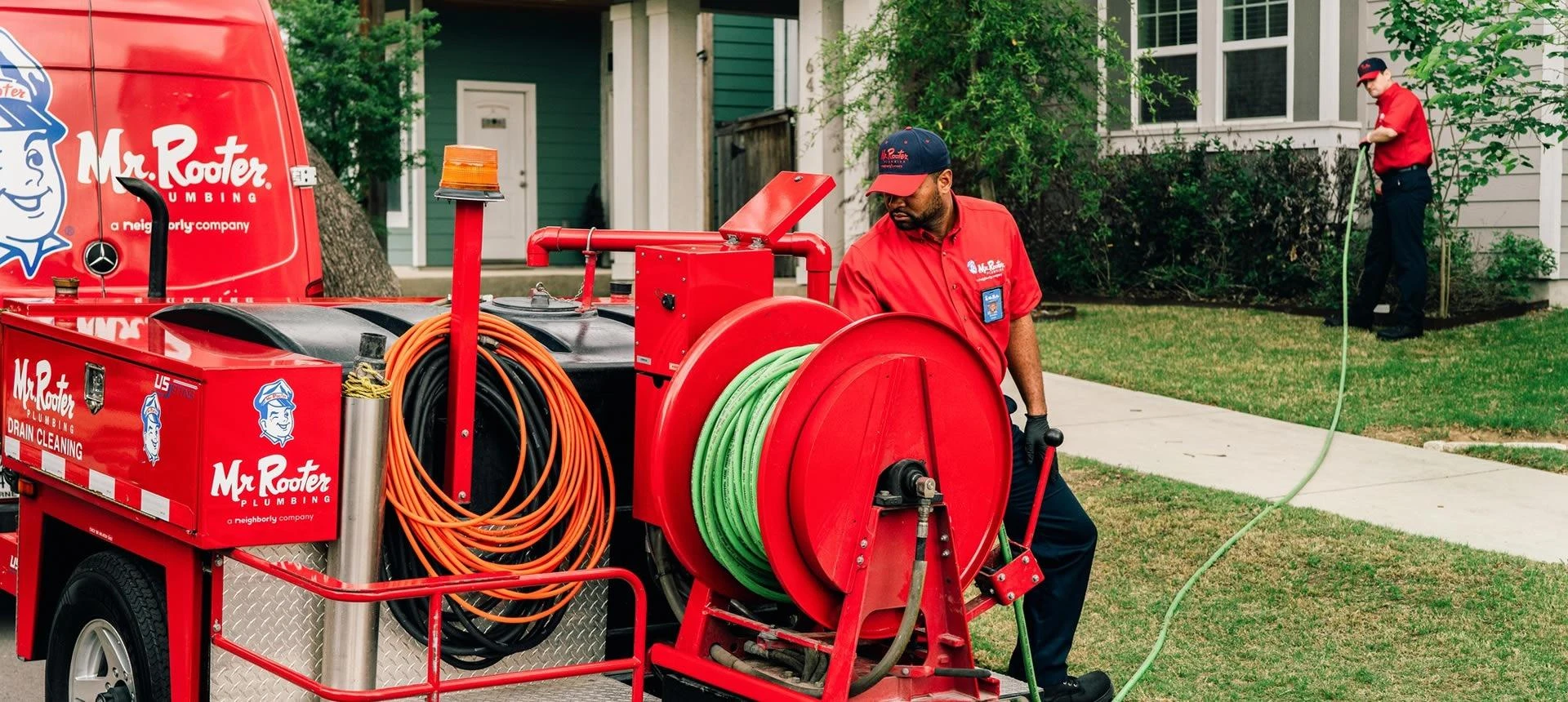

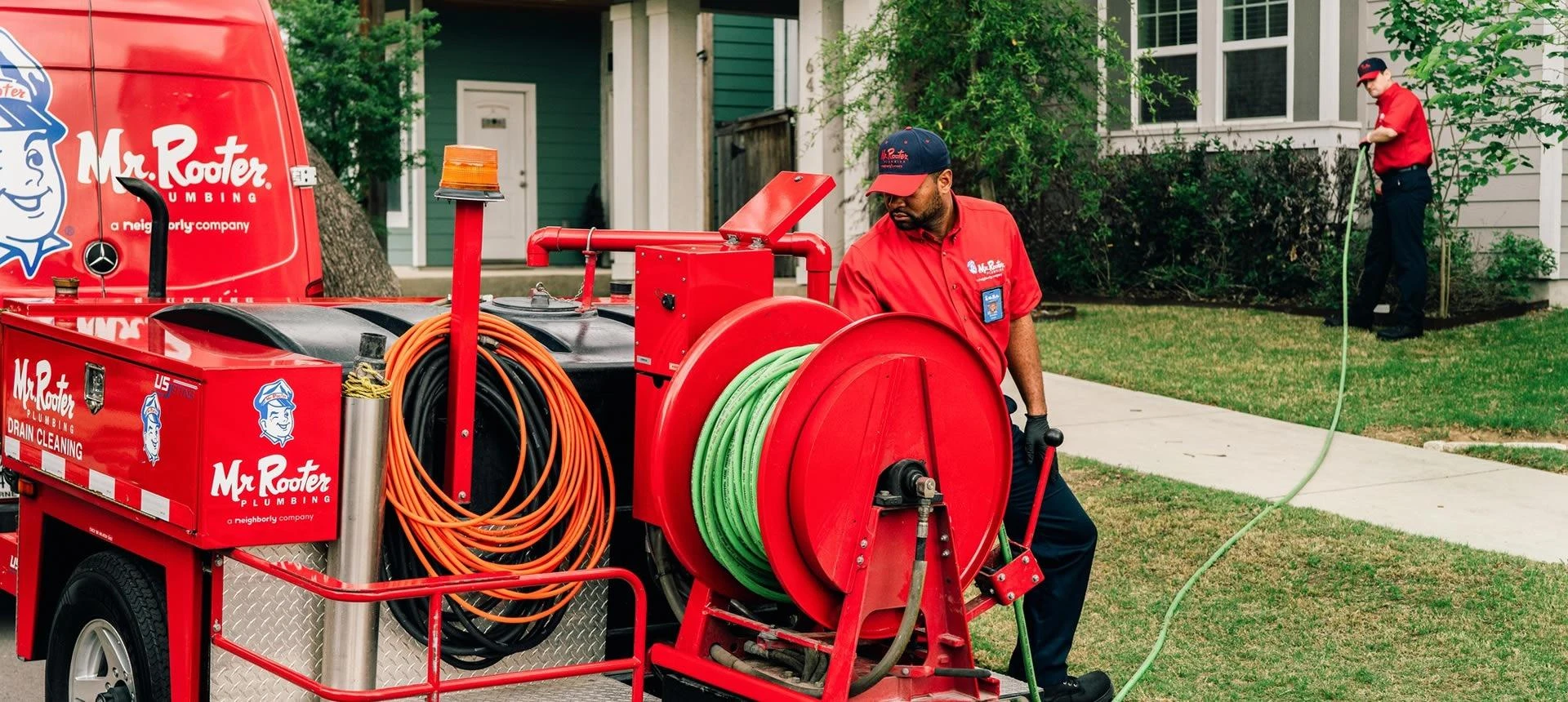
Basement flooding is never “just bad luck.” Most of the time, it points to a deeper plumbing problem. In many homes, the real issue is hidden underground in the sewer line. Sewer repair in Killeen is often the step that finally stops repeat flooding and surprise backups. Local professionals like Mr. Rooter Plumbing of Killeen deal with these problems every day and see the same patterns over and over.
Here is the truth. Mopping water and running a shop vac does nothing to solve the real cause. If wastewater keeps coming back, something is broken.
Why Basement Flooding Usually Means Sewer Trouble
Basements sit at the lowest point of a home. When the sewer line cannot move waste out, gravity works against the house. Water looks for the easiest exit. That exit is often the basement drain.
Heavy rain can make things worse, but rain alone is rarely the main cause. The real problem is usually
- A clogged main sewer line
- A cracked or collapsed pipe
- Tree roots inside the line
Once the flow is restricted, backups become unavoidable.
In simple terms: if waste cannot go out, it comes back in.
Signs That Point to Sewer Line Problems
Most sewer failures give warnings before flooding happens. People often ignore them or hope they go away. That is where mistakes start.
Slow Drains Everywhere
One slow sink is a small clog.
All slow drains at once usually mean a main line issue.
Gurgling Noises
If drains make bubbling or gulping sounds, air is trapped in the sewer line. That is never a good sign.
Sewage Smell
A sewer odor in the basement is a red flag. Pipes should be sealed. Smell means something is broken.
Repeated Clogs
If plunging and chemicals keep “fixing” the same drain, the problem is deeper than the fixture.
Water Near Floor Drains
This is often the final warning before full flooding happens.
What Usually Causes Sewer Lines to Fail
After years of plumbing work, a few causes show up again and again.
Tree Roots
Roots search for water. Tiny cracks attract them. Once inside, they grow and block the pipe.
Old Pipes
Many older homes still have clay or cast-iron sewer lines. These materials wear out. No pipe lasts forever.
Grease and Sludge
Grease does not stay liquid. It hardens. Over time, it shrinks the pipe opening.
Shifting Soil
Ground movement can separate joints or snap pipes.
None of these fix themselves.
The Hard Truth About DIY Fixes
Drain chemicals feel convenient. They are cheap and easy. They also rarely solve sewer problems.
What usually fails:
- Store-bought drain cleaners
- Repeated snaking from a sink drain
- Ignoring small backups
These approaches may open the line for a short time. They do not repair damaged pipes.
What usually works:
- Camera sewer inspections
- Professional drain cleaning
- Proper pipe repair or replacement
Real solutions cost more up front. They save money long-term.
How Sewer Inspections Change Everything
A camera inspection shows the inside of the pipe in real time.
It answers big questions:
- Where is the blockage?
- Is the pipe cracked or collapsed?
- Are the roots inside?
Without a camera, repairs are guesses. With a camera, repairs are targeted.
This step alone prevents a lot of wasted money.
Sewer Repair Options That Actually Stop Flooding
The right fix depends on the extent of the damage.
Hydro Jetting
High-pressure water blasts away grease, roots, and buildup. This works well when pipes are still structurally sound.
Spot Repairs
If one section is broken, that piece can be replaced.
Trenchless Repair
A new pipe liner is installed inside the old pipe. Less digging. Less mess.
Full Replacement
If the line is collapsing in several places, replacement is the only real option.
No magic shortcuts exist here.
How Sewer Problems Affect the Rest of the Plumbing
Sewer trouble creates stress across the system.
- Toilets clog more often
- Sinks drain slower
- Water heaters can struggle, leading to water heater repair calls in Killeen.
- Showers back up
- Frequent need for drain cleaning in Killeen
Everything is connected.
Prevention That Actually Helps
Some habits truly reduce risk.
- Schedule routine sewer inspections
- Never pour grease down drains
- Flush only toilet paper
- Use drain strainers
- Fix small issues early
Skipping maintenance almost always leads to bigger repairs later.
When to Call a Plumber
If flooding has occurred even once, it is time to call a plumber in Killeen who specializes in sewer diagnostics.
Waiting rarely makes things better.
Professional service brings:
- Accurate diagnosis
- Proper tools
- Code-compliant repairs
- Long-term peace of mind
Personal Take
In my opinion, sewer lines are the most neglected part of home plumbing. People upgrade faucets and toilets but ignore the pipe that carries everything away. That mindset costs homeowners thousands.
If basement flooding happens, assume sewer trouble until proven otherwise. It is almost always right.
Final Thoughts
Basement flooding is not random. It is a symptom.
The real fix usually starts underground with sewer repair in Killeen. Once the sewer line flows properly again, basements stay dry, drains work better, and stress levels drop.
Quick patches fade. Proper sewer repair lasts.
And in plumbing, lasting solutions are the only ones that matter.











Sign in to leave a comment.