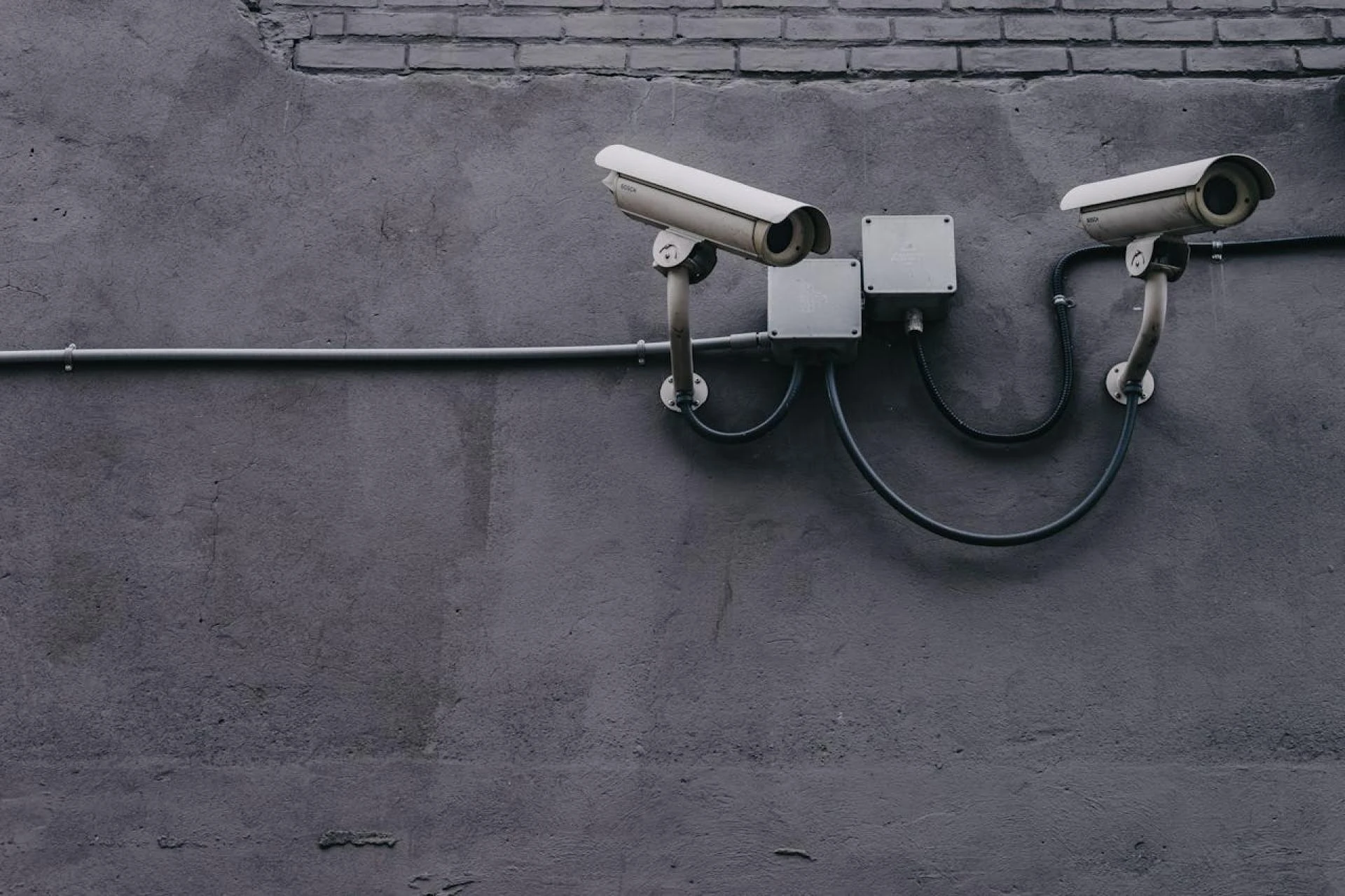

When installing a CCTV system, choosing the right cable is just as important as selecting the right cameras. Cables carry video signals, power, and sometimes even audio or data between the cameras and the recording or monitoring equipment. The type of cable you use affects the video quality, signal strength, how far the camera can be from the recorder, and the overall reliability of the system.
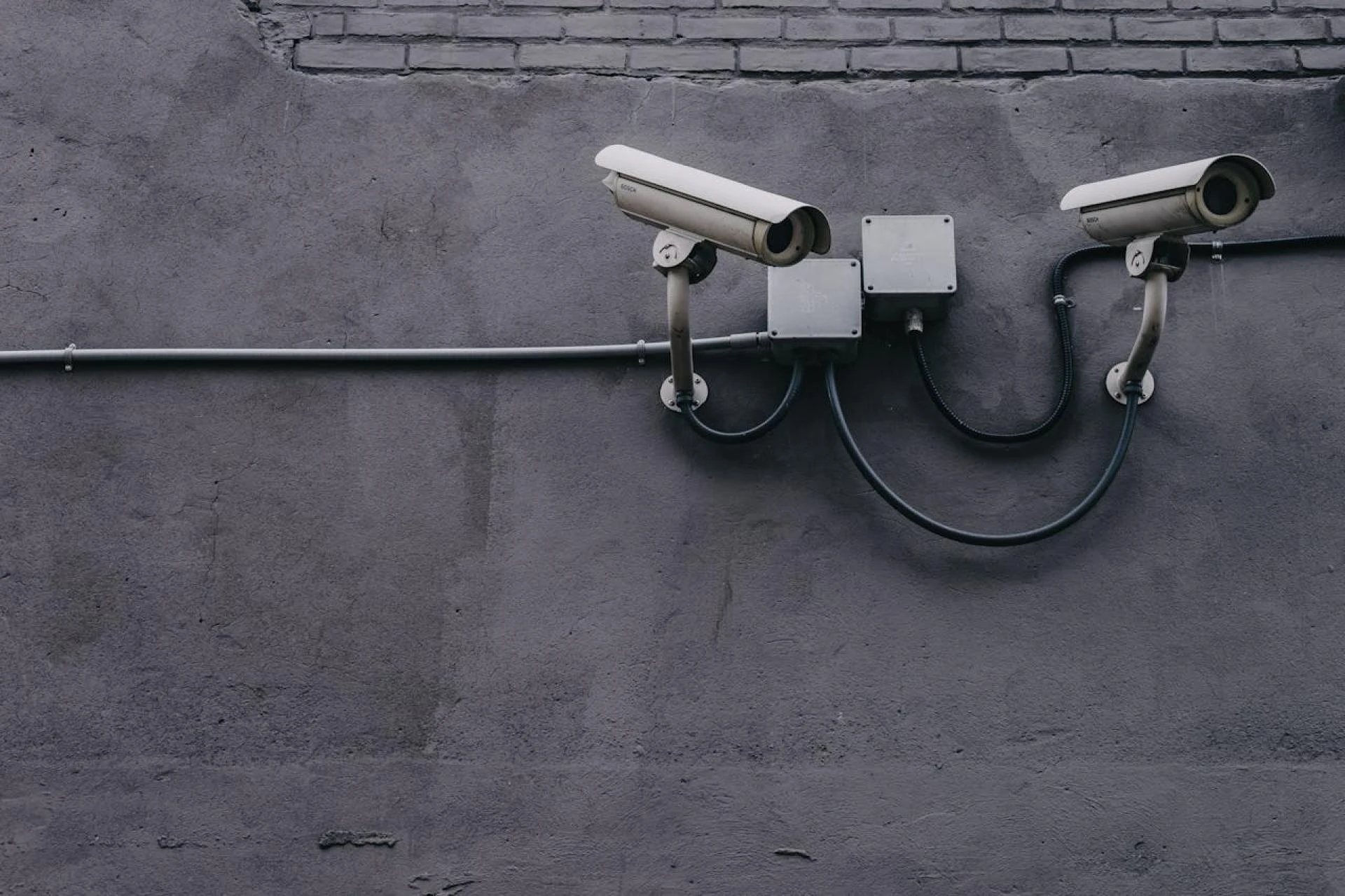
Below is a detailed look at the most commonly used cables in the CCTV industry, their uses, advantages, and tips for choosing the right one.
Coaxial Cables (RG‑59 and RG‑6)
Coaxial cables have been the traditional choice for analog CCTV systems. They are round, thick cables designed to carry video signals with minimal interference.
RG‑59 is the standard coaxial cable used in most analog CCTV installations. It works well for short to medium distances—usually up to around 700 to 800 feet. It is affordable and easy to work with but not ideal for high-resolution video or very long distances.
RG‑6 is a thicker and better-shielded version of RG‑59. It can carry signals further—up to 1000 feet—and is better for high-definition analog cameras, such as those using HD-TVI, AHD, or HD-CVI technology. It reduces signal loss and maintains video quality better over longer runs.
When using either of these cables, it's important to choose versions with solid copper conductors rather than cheaper alternatives made with copper-clad steel or aluminum, as those can negatively impact signal quality and power transmission.
Siamese Cables
Siamese cables are a convenient option for analog systems because they combine two cables in one—one for video (coaxial) and one for power (usually a pair of red and black wires).
This type of cable allows you to run a single line from the camera to the DVR and power supply. It's especially useful in small to medium installations where the camera and power source are located far from each other. The video signal can travel up to 700 feet, but the power cable may experience some voltage drop over long distances.
Siamese cables simplify the installation process and are available in different lengths and quality levels, including versions based on RG‑59 or RG‑6 coax.
Premade vs Bulk Cables
When buying CCTV cables, you’ll find two main options: premade cables and bulk cables.
Premade cables come with connectors already attached. They’re available in fixed lengths such as 10, 20, or 30 meters. These are great for quick installations, especially in homes or small businesses, because they don't require any special tools or technical skills.
Bulk cables come in long rolls, such as 100 or 300 meters, and don’t have connectors. You cut them to the exact length you need and attach the appropriate connectors yourself. While they require more time and skill to install, they are often more cost-effective for large projects and allow more flexibility.
Ethernet Cables (Cat5e and Cat6)
Ethernet cables are used in IP-based CCTV systems. These systems send video over a computer network, and Ethernet cables carry both video and power when used with PoE (Power over Ethernet) devices.
Cat5e cables are widely used for IP cameras. They can handle full HD (1080p) video and power delivery over distances of up to 328 feet (100 meters). They are reliable, affordable, and work well for most common surveillance needs.
Cat6 cables are a more advanced version of Ethernet cables. They have better shielding, which reduces signal interference, and support higher bandwidth. They are recommended for higher-resolution cameras like 4K or in places where future upgrades are planned.
Using Ethernet cables with PoE simplifies installation by allowing you to run only one cable per camera for both power and video. This is especially helpful in areas where running a separate power line would be difficult.
Fiber Optic Cables
Fiber optic cables are the best choice when you need to connect cameras over very long distances or in places with a lot of electrical interference.
These cables use light to transmit video signals, which makes them immune to electromagnetic noise and capable of carrying data for several kilometers without signal loss. This makes them ideal for large buildings, campuses, city-wide surveillance, or industrial settings.
There are two main types: multimode fiber, which is suitable for distances up to a few hundred meters, and single-mode fiber, which can transmit data for several kilometers. Although fiber optic cables offer excellent performance, they are more expensive and harder to install than coaxial or Ethernet cables. Specialized equipment and skills are needed to terminate and connect them properly.
Connectors Used in CCTV Systems
Each type of cable uses a different connector. Coaxial cables like RG‑59 and RG‑6 use BNC connectors for video. Power cables usually use round DC connectors. Ethernet cables use RJ-45 plugs, which are the same as standard internet cables. Fiber optic cables require special connectors like SC, LC, or ST depending on the type of fiber and equipment used.
Making sure the connectors match the cable type and are properly installed is key to getting a reliable connection.
Cable Distance Guidelines
To avoid video loss or poor quality, it’s important to stay within recommended cable length limits. Coaxial cables like RG‑59 should not exceed 700 feet. RG‑6 can reach up to 1000 feet.
Ethernet cables should stay within 328 feet (or 100 meters) for reliable data and power transmission. Fiber optic cables can run for many kilometers, depending on the type and setup.
When cable runs are too long, the signal can weaken or degrade. In some cases, using signal boosters, repeaters, or switches can help extend the range.
Choosing the Right Cable for Your CCTV System
When deciding which cable to use, consider the type of camera, the distance between the camera and the recorder, the environment, and your budget.
If you’re using analog cameras and the distances are not too long, coaxial or Siamese cables will work well. For high-definition analog cameras, use RG‑6 for better signal quality.
If you're installing IP cameras, go with Cat5e or Cat6 Ethernet cables. Use Cat6 for higher performance and future-proofing. Ethernet cables are the best choice for installations that benefit from PoE.
If your cameras are located very far away, such as across a large campus or in another building, fiber optic cables are the best option, even though they cost more and take more effort to install.
Final Thoughts
CCTV systems depend heavily on the quality and type of cable used. Whether it’s coaxial, Ethernet, or fiber optic, choosing the right cable ensures that your surveillance system works reliably and delivers clear video. By understanding the capabilities of each type of cable, you can plan your CCTV system better and avoid future problems.
Always use high-quality cables with proper connectors, follow recommended distance limits, and consider future upgrades when making your choice.
Need the Right Cables for Your CCTV System?
Explore top-quality coaxial, Ethernet, and fiber cables—trusted by professionals across the industry. Shop Now at CableHouse.org











Sign in to leave a comment.