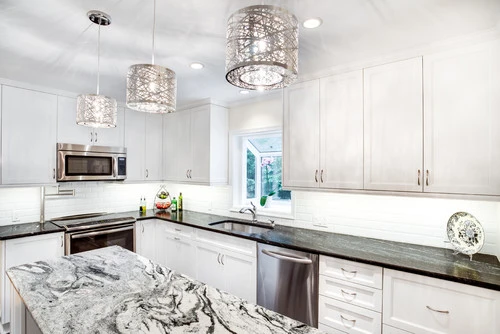

Custom made kitchen islands allow homeowners to break free from cookie-cutter designs and build something that truly fits their space and style. The choice of countertop is central to this individuality. Whether you lean toward rustic charm, modern minimalism, or classic elegance, the right material completes the look and feel of your island while providing essential function.
The Role of Countertops in Kitchen Island Design
The surface of an island does more than provide a workspace. It’s one of the most visible parts of the kitchen and often the first thing guests notice. A countertop sets the tone for the entire room. It needs to stand up to daily wear and tear while remaining easy to clean, resistant to stains, and visually pleasing from every angle. With a custom design, homeowners can prioritize function without compromising on appearance.
Quartz: Durability With a Refined Look
Quartz remains a popular choice for many island installations. It offers consistent color, strong resistance to stains, and minimal upkeep. Unlike natural stones, quartz does not require sealing, making it easier to maintain. It pairs well with a wide range of cabinet colors and styles, providing a polished, uniform appearance that blends into both traditional and contemporary kitchens. This surface delivers long-term reliability without the unpredictability of natural variation.
Granite: Natural Beauty With Unique Patterns
Granite has long been prized for its organic texture and dramatic veining. No two slabs are alike, which makes it ideal for homeowners seeking a one-of-a-kind design. Granite adds luxury and texture to a kitchen, standing up well to heat and heavy use. Although it requires periodic sealing to preserve its finish, many homeowners find the extra care worth the rich and natural aesthetic it brings to a space.
Butcher Block: Warmth and Texture in One
Wood countertops bring warmth that few materials can match. Butcher block surfaces are especially loved for their inviting, lived-in feel. Whether used across the entire island or as an accent area, wood adds a tactile contrast that can soften sleek cabinetry or add rustic character. Though it requires regular oiling and is more prone to scratches and stains, many find its ability to age beautifully adds to its charm.
Marble: Elegance With a Softer Touch
Marble is synonymous with luxury. Its soft, creamy surface and subtle veining elevate the overall look of a kitchen. While not as durable as other materials and more prone to etching and stains, marble continues to be chosen for islands in homes where visual impact is a top priority. Sealing and gentle cleaning are necessary to keep it looking its best, but its aesthetic appeal is hard to match.
Concrete: Bold Customization for a Modern Statement
For those wanting something entirely unique, concrete offers the ultimate level of customization. It can be tinted, shaped, and textured to fit any vision. From industrial finishes to smoother modern looks, concrete can become a striking centerpiece. Its weight and need for proper sealing mean it requires professional installation, but the result is often a showstopping focal point that stands apart from standard materials.
Conclusion
Choosing the right countertop for custom made kitchen islands involves balancing visual appeal with everyday practicality. Each material brings its own personality and function to the table. Some offer unmatched elegance, others warmth and charm, while a few provide raw durability. Whether your priority is low maintenance, natural texture, or custom flair, the right surface can make your island the visual and functional centerpiece it was meant to be.













Sign in to leave a comment.