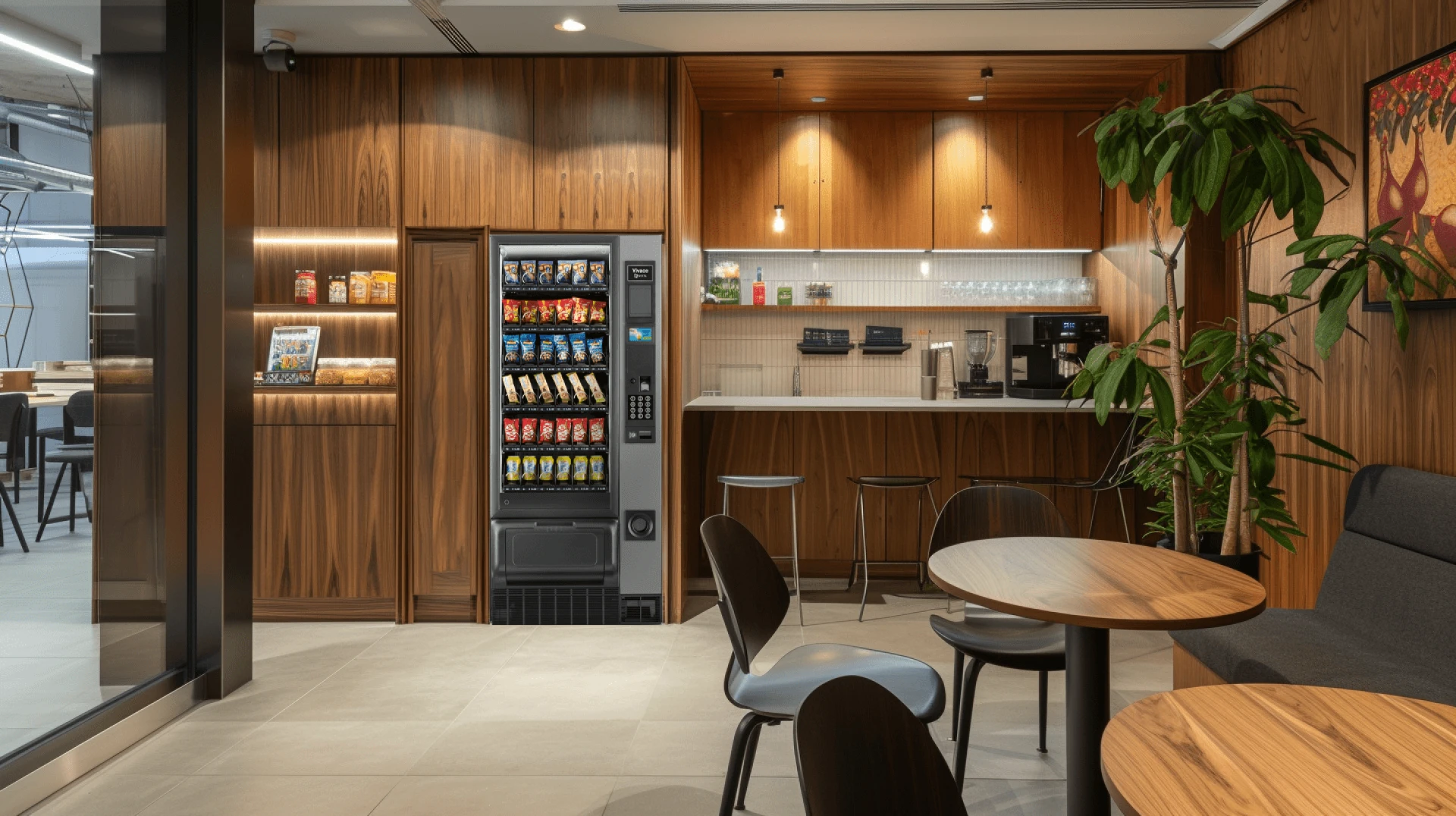

Small offices often need snack solutions that save space, time, and budget while keeping staff satisfied. A free vending machine program can remove installation costs and simplify maintenance, making modern dispensers accessible to teams with limited resources. This post explains the main dispenser types suited to compact workspaces, outlines practical selection criteria, highlights common selection mistakes, and shows a short success story. Read on for clear, actionable guidance to choose a snack dispenser that fits your headcount, footprint, and service expectations without adding hidden operational burdens.
Understanding Modern Snack Dispensers
Modern snack dispensers range from compact, sensor-driven vending units to modular countertop stations and subscription-managed boxes. Small-office models use digital payments, telemetry for inventory and restock alerts, and low-energy components to minimize operating costs. Knowing whether a dispenser primarily manages snacks, beverages, or both will determine slot design, refrigeration needs, and power consumption. Matching dispenser technology to usage patterns—peak hours, popular item sizes, and dietary preferences—helps avoid wasted capacity and unnecessary service calls, producing a smoother, predictable breakroom experience for employees.
Why Small Offices Benefit from Smart Snack Solutions
Compact, intelligent dispensers reduce downtime away from desks and provide controlled refreshment costs, improving productivity and convenience for small teams. Offices gain operational advantages such as predictable restocking, vendor accountability, and healthier product curation that supports staff well-being. Smart features also enable usage analytics to guide item selection without manual inventory checks. Benefits include:
- Minimal space requirements for compact machine placement.
- Smart technology tracks inventory and automates restocking.
- Promotes healthier snacking with customizable options.
- Increases morale and productivity through convenient access.
Top Snack Dispenser Options for Small Workspaces
Compact smart vending machines are scaled-down automated units with card and mobile payments, suitable for narrow corridors or small pantries. Countertop snack stations sit on cabinets or reception surfaces; they are modular and work well for startups with limited electrical capacity. Subscription-based dispensers pair a small footprint with vendor-managed restocking and flexible product rotation, ideal for teams under twenty. Consider linking product pages for comparisons and citing reputable industry write-ups when evaluating long-term ROI and available vendor service tiers to confirm warranty and restock commitments.
Compact Smart Vending Machines
These machines combine a small footprint with telemetry, cashless payments, and energy-efficient refrigeration. They operate with automated inventory alerts and can be configured for snack-only or snack-plus-drink options. Choose models with adjustable shelving and transparent fronts so employees see choices clearly. Prioritize machines that support remote price updates and offer straightforward vendor service agreements to avoid lengthy downtime or complex on-site repairs that small teams cannot manage internally.
Countertop Snack Stations
Countertop stations provide a grab-and-go experience without floor space or heavy electrical needs. Their modular trays accept chips, bars, and packaged beverages and can be reconfigured as preferences evolve. They fit reception areas or shared kitchen counters and often ship pre-stocked for a simple setup. Opt for units with sealed compartments and optional refrigeration modules to maintain freshness without expanding the office’s power footprint.
Subscription-Based Snack Dispensers
Subscription services supply a compact dispenser plus regular replenishment, combining convenience with predictable costs. Vendors typically manage restocking schedules and accept product feedback to tailor assortments. For offices seeking low administration overhead, this model offloads logistics and provides flexible contract terms. Confirm minimum term lengths, restocking frequency, and whether the subscription covers broken-unit replacement or only refills.
Key Features to Look for When Choosing a Dispenser
Choose compact, energy-efficient designs that fit the available footprint and reduce ongoing utility costs. Touchless or cashless payment options improve hygiene and speed transactions during busy periods. Real-time inventory tracking reduces out-of-stock incidents and lowers administrative load. Vendor support and low maintenance requirements limit the need for in-house attention and ensure rapid service response. Ability to stock both snacks and beverages expands variety and appeals to diverse dietary preferences while maximizing value per square foot.
- Compact, energy-efficient design to fit limited spaces.
- Touchless payment options for hygiene and speed.
- Smart inventory tracking with real-time updates.
- Low maintenance requirements and vendor support.
Common Mistakes When Selecting Snack Equipment
Purchasers sometimes choose oversized machines that overload limited spaces or pick models with high energy draw that increase costs unexpectedly. Ignoring service agreements leads to long downtimes and frustrated staff. Cheap, outdated units may lack telemetry and require frequent repairs. Failing to perform a quick needs analysis—employee count, peak demand, and preferred items—results in overpaying for unused capacity or shortages. Run a simple usage estimate, verify vendor response times, and confirm warranty coverage before committing to purchase or lease.
Small Office Success Story
A 15-person digital agency replaced a shared fridge and ad-hoc snack purchases with a compact smart dispenser on a subscription plan. The machine’s telemetry optimized restock intervals and vendor-managed refills, cutting refreshment expenses by about 25 percent within three months. Employee satisfaction rose because snack variety matched team preferences and downtime for refills disappeared. The vendor’s SLA guaranteed next-business-day support, removing administrative burden from the office manager and keeping the break area tidy and reliable.
Conclusion
Modern snack dispensers let small offices deliver convenient, cost-controlled refreshments without large upfront investment or ongoing operational headaches. Selecting the right model—compact vending units, countertop stations, or subscription-based dispensers—depends on headcount, space, and service expectations. Seek features like cashless payments, smart inventory, and vendor support to keep service reliable and costs predictable. Upgrade your office with a compact smart dispenser to reduce interruptions, control costs, and keep teams satisfied with minimal management overhead.
FAQs
What size dispenser works best for a 10–20 person office?
Choose compact smart vending or countertop stations sized for predictable daily usage and configurable trays to match consumption patterns.
Are there zero-installation options for small offices?
Subscription-based dispensers often include delivery and restocking with no capital outlay, requiring only a small footprint and basic power access.
How does smart inventory tracking reduce costs?
Telemetry prevents overstocking and out-of-stock events by triggering restocks based on real usage, minimizing waste and manual checks.









Sign in to leave a comment.