
Underground water leaks can turn into costly nightmares for Australian homeowners and property managers. These hidden issues often lead to structural damage, skyrocketing water bills, and even health risks from mould growth. Understanding who bears responsibility helps prevent disputes and ensures prompt repairs.
Types of Underground Water Leaks
Underground leaks typically stem from several sources. Burst pipes beneath lawns or driveways rank among the most common culprits. Faulty irrigation systems also contribute, especially in drought-prone regions where overwatering stresses connections. Sewer line failures add another layer of complexity, as they mix wastewater with groundwater.
Homeowners face these problems nationwide, from Sydney's sandy soils to Perth's clay-heavy grounds. Early detection saves thousands in excavation costs. Professional services like ground water leak detection pinpoint issues without destructive digging.
Responsibility in Standalone Homes
For detached houses, property owners hold primary accountability. Australian water authorities maintain pipes up to the meter, usually at the street boundary. Beyond that point, internal service lines fall under the homeowner's domain.
This includes the pipe from the meter to your home, even if buried underground. A leak here means calling a licensed plumber for repairs. Insurance often covers sudden bursts but excludes gradual wear and tear. Regular inspections prevent small cracks from escalating.
Local councils may step in for public footpaths or nature strips. However, if the leak affects your property boundary, you coordinate with them. Document everything with photos and plumber reports to support insurance claims.
Strata and Apartment Complexes
Life gets more complicated in units or townhouses under strata schemes. Bodies corporate manage common property, such as shared utility corridors or boundary walls. Leaks from these areas become their responsibility.
Individual lot owners handle pipes serving only their unit. For example, a hot water line leaking into a neighbour's space points to the originating owner's plumber. Bodies corporate insure common areas, but lot owners cover internal fixtures.
Disputes arise when leaks span boundaries. Queensland's Body Corporate and Community Management Act clarifies this: shared walls or underground parking pipes fall under the collective. New South Wales mirrors this via the Strata Schemes Management Act. Always check your bylaws for specifics.
Water Authority Involvement
Utilities like Sydney Water or Yarra Valley Water oversee mains and meters. They respond to leaks before the boundary point. A dripping meter requires their technician, not yours.
Property owners must monitor service lines post-meter. If a main bursts under your driveway but connects to the street, the utility digs it up. Cooperation speeds resolution, as pinpointing origins demands shared access.
In Western Australia, Water Corporation guidelines emphasise licensed plumbers for private repairs. They provide free leak checks in some cases, reducing your out-of-pocket costs.
Steps to Determine Fault
Start by locating the meter and tracing pipes. Sudden bill spikes signal underground issues. Use a water meter register to check for flow when taps are off.
Next, inspect for soggy patches or sinkholes. Acoustic listening devices, wielded by experts, detect hissing without excavation. Dye tests confirm sewer involvement.
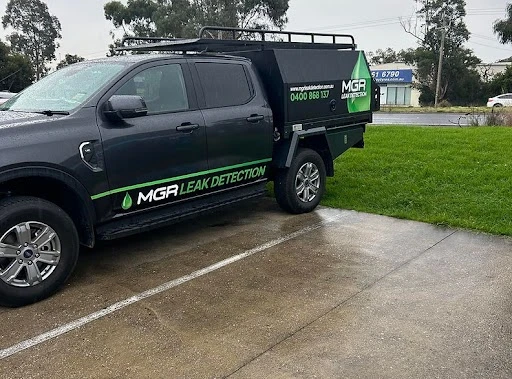
Contact your utility first. They isolate the main issues quickly. For private lines, hire a specialist in ground water leak detection. Firms like MGR Leak Detection offer non-invasive tech tailored to Australian conditions.
Engage your insurer early. Provide evidence like pressure logs or thermal imaging. Strata owners should notify the committee immediately to log claims.
Legal and Insurance Considerations
Australian consumer laws protect against shoddy plumbing work. The Australian Consumer Law mandates warranties on installations. If a recent reno caused the leak, builders foot the bill.
Home and contents insurance varies. Comprehensive policies cover sudden leaks but demand mitigation efforts. Excess fees apply, often $500 or more. Strata insurance handles common property, with lot owners liable for bylaw breaches.
Tenants notify landlords promptly. Leases specify maintenance duties, but urgent leaks fall under owner repairs. Document communications to avoid deposit disputes.
Prevention Strategies
Proactive maintenance beats reactive fixes. Schedule pipe inspections every two years, especially in older homes. Pressure regulators prevent bursts from mains surges.
Upgrade to polyethylene pipes, which resist corrosion better than galvanised steel. Drip irrigation zones minimise overwatering risks. Smart meters alert to anomalies via apps.
Landscaping choices matter. Avoid tree roots near service lines; opt for shallow-rooted natives. Insulate exposed sections against frost in cooler states like Victoria.
When to Call Professionals
DIY checks suffice for visible drips, but underground issues demand experts. Licensed plumbers comply with AS/NZS 3500 standards. Leak detection pros use ground-penetrating radar or correlators for precision.
In strata disputes, independent assessors clarify origins. Costs range from $300 for basics to $1,500 for full diagnostics. Early intervention halves repair bills.
Real-World Examples
Consider a Melbourne homeowner facing a $10,000 bill. The leak traced to a post-meter copper pipe, their responsibility. Utility confirmation shifted focus to insurance.
In Brisbane strata, a shared underground line soaked multiple units. The body corporate coordinated repairs, recouping via levies. Lot owners escaped costs thanks to clear bylaws.
These cases highlight documentation's value. Photos, timestamps, and expert reports resolve 90% of disputes without tribunals.
Costs and Timelines
Minor private repairs run $1,000-$3,000, including excavation. Strata jobs scale to $20,000 for mains reroutes. Utilities fix their segments free, barring access fees.
Timelines vary: utilities act in days; private plumbers book weeks ahead. Peak summer demand delays non-emergencies. Budget for temporary shutoffs and water tankers.
Final Thoughts on Accountability
Responsibility hinges on location and ownership structure. Standalone owners own post-meter lines; strata splits by common versus lot areas; utilities guard mains. Swift action with pros preserves property value.
Armed with this knowledge, Australians navigate leaks confidently. Regular checks and clear records minimise financial hits. For suspected underground issues, prioritise accurate diagnosis to assign duties correctly.











Sign in to leave a comment.