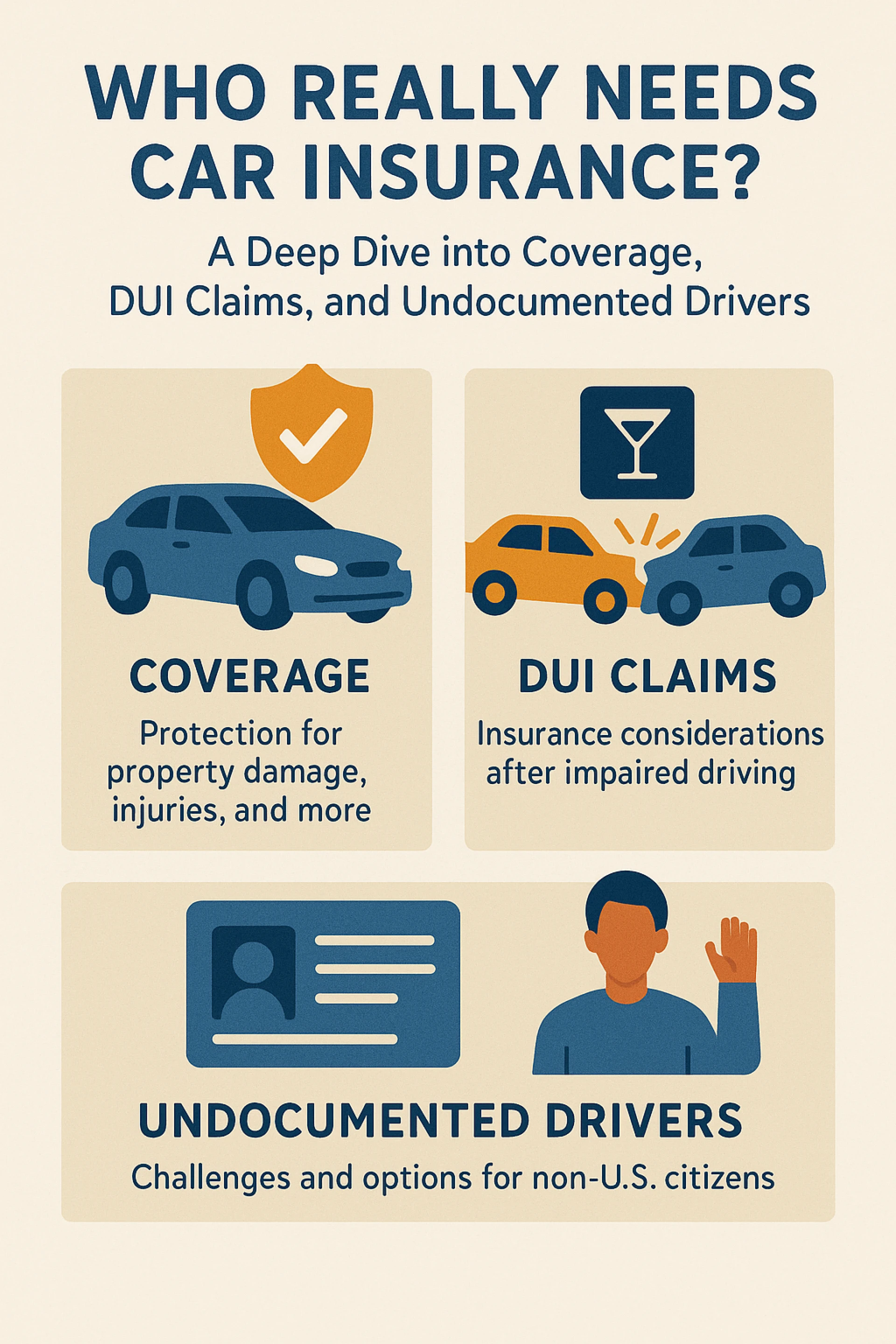

In today’s fast-paced world, owning a car isn’t just a luxury—it’s often a necessity. But with that comes responsibility, especially when it comes to car insurance. Many drivers purchase a policy simply to meet legal requirements, without understanding what’s actually covered, who is eligible, and what happens in complex cases like drunk driving accidents or if undocumented immigrants are involved.
In this article, we’ll unpack the real purpose of car insurance, who needs it, and how it plays out in challenging scenarios. Whether you're a first-time driver, someone with a DUI record, or navigating insurance as an undocumented immigrant, this guide is for you.
Why Car Insurance Matters More Than You Think
At its core, car insurance is financial protection. Accidents can result in thousands—or even hundreds of thousands—of dollars in damages and medical bills. Without coverage, one accident can wipe out your savings or even result in lawsuits.
But there’s more to it:
- Legal Requirement: Almost every U.S. state requires at least liability coverage.
- Peace of Mind: Insurance protects your assets and your future.
- Responsibility: It shows you’re a responsible and lawful citizen.
Yet, millions still drive uninsured or underinsured. And the implications vary widely depending on the situation.
What Standard Car Insurance Covers (And What It Doesn’t)
Here’s a snapshot of standard car insurance policies:
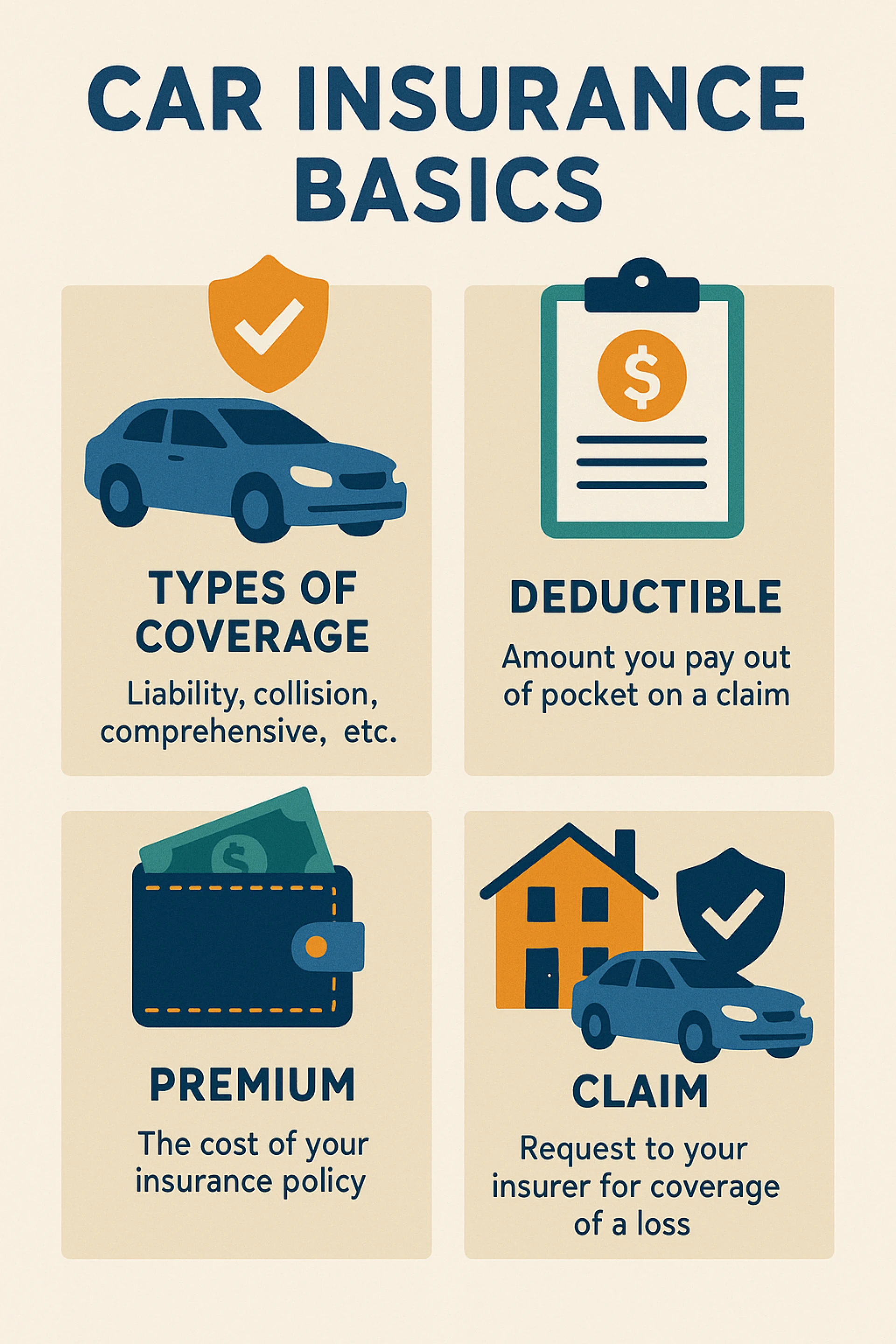
Coverage TypeWhat It CoversLiabilityBodily injury and property damage to othersCollisionDamage to your car in an accident (regardless of fault)ComprehensiveTheft, vandalism, fire, and weather-related incidentsPersonal Injury Protection (PIP)Medical costs for you and passengersUninsured/Underinsured MotoristProtection if the at-fault driver has no or little insurance
However, in unique situations, coverage can get tricky—particularly when illegal activity, such as drunk driving, is involved.
What Happens If You Drive Drunk and Get into an Accident?
Most drivers wrongly assume their insurer will always cover an accident. But driving under the influence (DUI) adds legal and insurance complications.
According to this detailed guide — Does Car Insurance Cover Drunk Driving Accidents? — here’s what you need to know:
1. Initial Coverage May Still Apply
Most insurers will cover damages even if the at-fault driver was intoxicated. This includes:
- Damage to the other driver’s vehicle
- Medical bills for the injured parties
2. Your Premiums Will Skyrocket
After a DUI claim, expect your premium to increase by 50% to 300%. Some providers may cancel your policy altogether.
3. Out-of-Pocket Costs Can Be Devastating
Many insurance companies may later sue the drunk driver to recover the payouts (a process called subrogation). You may also face:
- Legal fines
- Civil lawsuits
- License suspension
4. SR-22 Requirement
In many states, a DUI means you'll be required to file an SR-22 form, proving you carry high-risk insurance.
Moral of the story? If you drink, don’t drive. Your wallet, license, and freedom depend on it.
Can Undocumented Immigrants Get Car Insurance?
Now let's explore another highly misunderstood aspect: Can illegal immigrants get car insurance? The short answer is yes—in some states.
Here’s a detailed breakdown from this in-depth article.
1. Driver’s Licenses and State Laws
As of now, 19 U.S. states and D.C. allow undocumented immigrants to apply for driver’s licenses. These include:
- California
- Colorado
- Illinois
- New York
- New Jersey
Once a license is obtained, getting insurance is legally and logistically possible.
2. Insurance Companies Don’t Ask Immigration Status
Most providers base policies on:
- Driving history
- Type of vehicle
- Address
- Credit score
Immigration status isn’t a standard metric.
3. Why It’s Still Important
Even if undocumented, having valid insurance can:
- Protect you financially in an accident
- Help avoid vehicle impoundment
- Reduce chances of deportation in routine traffic stops
- Show responsibility in immigration court cases
What If You’re Hit by an Uninsured or Undocumented Driver?
This is a nightmare scenario for many, especially in urban areas with high numbers of uninsured drivers.
What Can You Do?
- File a Police Report Immediately
- Gather Evidence at the Scene
- Use Your Own Coverage: If you have Uninsured Motorist protection, you’re in luck.
- Consult an Attorney: Especially if you suspect the other driver is undocumented or gave false information.
High-Risk Drivers: Getting Insured After a DUI
If you’ve been convicted of DUI, your insurance journey gets tougher but not impossible. Here’s what to do:
1. Shop Around
Some insurers specialize in high-risk coverage. Rates are higher, but they offer a path to rebuilding your record.
2. Complete a DUI Program
Some states offer insurance discounts for completing certified DUI recovery programs.
3. Raise Your Deductibles
Opting for higher deductibles can reduce your monthly premium (but increases your out-of-pocket risk).
States With the Strictest DUI Insurance Penalties
StateAvg. Premium Increase After DUICalifornia180%Florida150%Michigan120%Texas110%New York105%
Note: These are estimates. Always compare quotes.
Future of Insurance: Will Policies Be More Inclusive?
With evolving immigration laws and increasing awareness about DUI prevention, the insurance industry is also changing:
- More states are pushing for inclusive insurance laws
- Telematics (driving behavior tracking) may reduce reliance on past records
- Digital platforms allow undocumented and high-risk drivers to compare quotes anonymously
Final Thoughts: Everyone Deserves Road Protection
Car insurance isn’t just a legal necessity—it’s peace of mind. Whether you’re facing the consequences of a DUI or navigating the system as an undocumented immigrant, you have options.
Driving responsibly and being insured protects you, your family, and everyone sharing the road. But more importantly, being informed empowers you to make smarter, safer choices
Related Reads:
- 🛡️ Learn the Basics: Car Insurance 101
- 🍻 What If You Crash Drunk? Understand the Coverage
- 🌍 Insurance Access for Undocumented Immigrants










Sign in to leave a comment.