
Find the right wholesale oats supplier for bulk buying. Learn about oat types, quality checks, packaging, certifications, and key sourcing questions.
If you make cereals, snacks, bakery items, granola, or oat-based drinks, choosing the right wholesale oats supplier matters more than most buyers think. Oats may look simple, but supply quality can change your product, label claims, shelf life, and production flow. A strong supplier gives you steady quality, clear specs, safe processing, and packaging that fits your operation. Global Resources Direct positions its oats range for food manufacturers and co-packers, with organic, gluten-free, and bulk packaging options, plus U.S. inventory and LTL or full truckload shipping.
How to choose a wholesale oats supplier
The best buyer decision starts with one simple question: what kind of oat ingredient do you actually need? Some brands need rolled oats for granola. Others need quick oat flakes for instant products. Some need oat flour for baking. Some need certified gluten-free inputs because regular oats can be cross-contacted during farming, transport, or milling. That is why a good wholesale oats supplier should not only sell oats, but also explain oat form, processing method, and certification status clearly. Sources in the category commonly list groats, rolled oats, instant oats, bran, and flour as separate forms for different food uses.
What a wholesale oats supplier should offer
A dependable wholesale oats supplier should make sourcing easy, not risky. Look for these basics first:
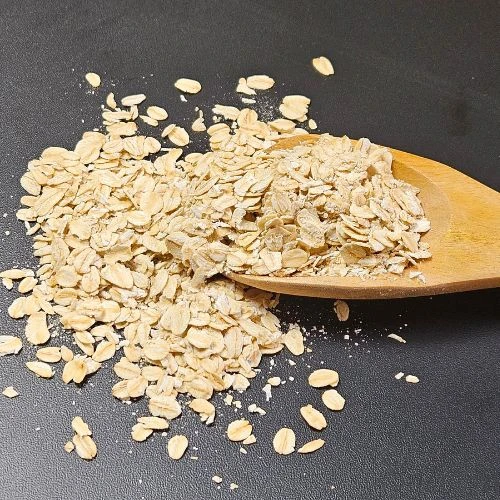
- Clear product range, such as rolled oats, instant oat flakes, thick rolled oats, and oat flour
- Documentation for organic, non-GMO, kosher, or gluten-free claims when needed
- Packaging choices like cases, totes, super sacks, or retail-ready formats
- Reliable freight support for recurring bulk orders
- Consistent specs for moisture, cleanliness, and processing quality
Global Resources Direct highlights many of these points on its oats pages, including gluten-free instant oat flakes, oat flour, thick rolled oats, and packaging options for large-scale production.
Why food brands work with a wholesale oats supplier
A food business does not just buy oats. It buys consistency. That is the real value of a wholesale oats supplier. When your oat input stays uniform, your texture, cook time, taste, and label claims stay stable too. For example, a granola brand may need thick rolled oats that hold shape in baking. A snack company may want quick oats for binding. A bakery may prefer oat flour for fiber-rich mixes. The right supplier helps match the oat format to the finished product instead of forcing one grade into every use case. This matters even more for gluten-free products, because oats are naturally gluten-free, but they are often contaminated unless they are sourced and processed under controlled conditions.
Questions to ask a wholesale oats supplier before you buy
Before placing a large order with a wholesale oats supplier, ask practical questions that protect your business:
- Which oat types do you stock year-round?
- Are your oats conventional, organic, or certified gluten-free?
- What pack sizes do you offer for factories, co-packers, or private label buyers?
- Can you share spec sheets, certifications, and handling details?
- Do you support spot buying, contract buying, LTL, or full truckload shipping?
These questions help you compare suppliers on real operating value, not just on price. Global Resources Direct states that it supports contract and spot purchasing and ships from inventory located across the United States.
A wholesale oats supplier should fit your production needs
The right wholesale oats supplier should fit the way your business runs. A small test batch buyer may need flexible quantities and fast answers. A larger manufacturer may need stable repeat supply, dedicated documentation, and predictable logistics. That is why a smart sourcing process always checks more than price per pound. Look at lead times, communication speed, storage guidance, quality controls, and how easy it is to get technical details. If your product sits in a regulated or allergen-sensitive category, these checks become even more important.
Frequently Asked Questions
What types of oats can I buy from a wholesale oats supplier?
Most suppliers offer several forms, including oat groats, rolled oats, instant oats, steel-cut oats, oat bran, and oat flour. Each one suits different products like granola, porridge, bakery mixes, and snack bars.
Are oats naturally gluten-free?
Yes, oats are naturally gluten-free. But many oats are exposed to wheat, barley, or rye during farming, transport, or milling, so certified gluten-free sourcing matters for sensitive products.
Can I buy organic oats in bulk?
Yes. Many bulk suppliers offer organic oats, and some also offer organic certified gluten-free oats for brands that need both claims.
What are rolled oats used for in food manufacturing?
Rolled oats are commonly used in granola, oatmeal, bakery products, bars, and cereal blends because they provide texture, fiber, and consistent processing performance.
What packaging options do bulk oat suppliers usually offer?
Bulk suppliers often provide cases, totes, super sacks, and sometimes retail-ready or private label formats, depending on buyer volume and use case.
What should I check before choosing a wholesale oats supplier?
Check oat type, certifications, spec sheets, packaging, logistics, shipping options, and whether the supplier can support your production schedule and quality requirements.
Conclusion
A good wholesale oats supplier helps you do more than buy raw material. It helps you protect quality, simplify operations, and keep your product consistent from batch to batch. When you compare suppliers, focus on oat type, certification, packaging, logistics, and documentation. That gives you a much better buying decision than price alone. For food brands, co-packers, and manufacturers, the right oats partner is one that understands both the ingredient and the production reality behind it.










Sign in to leave a comment.