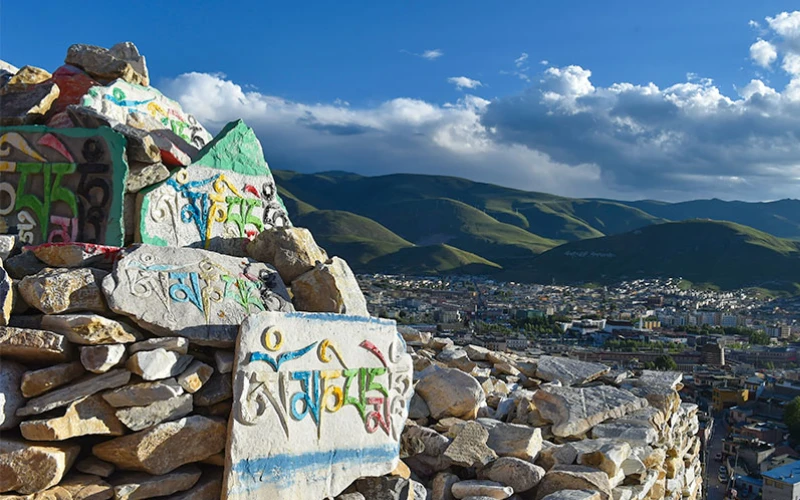

Most wildlife trips follow a familiar formula. You drive around a national park, your guide spots something in the distance, and suddenly everyone’s taking photos of lions, elephants, or giraffes like it’s a wildlife documentary.
A snow leopard safari is a completely different story.
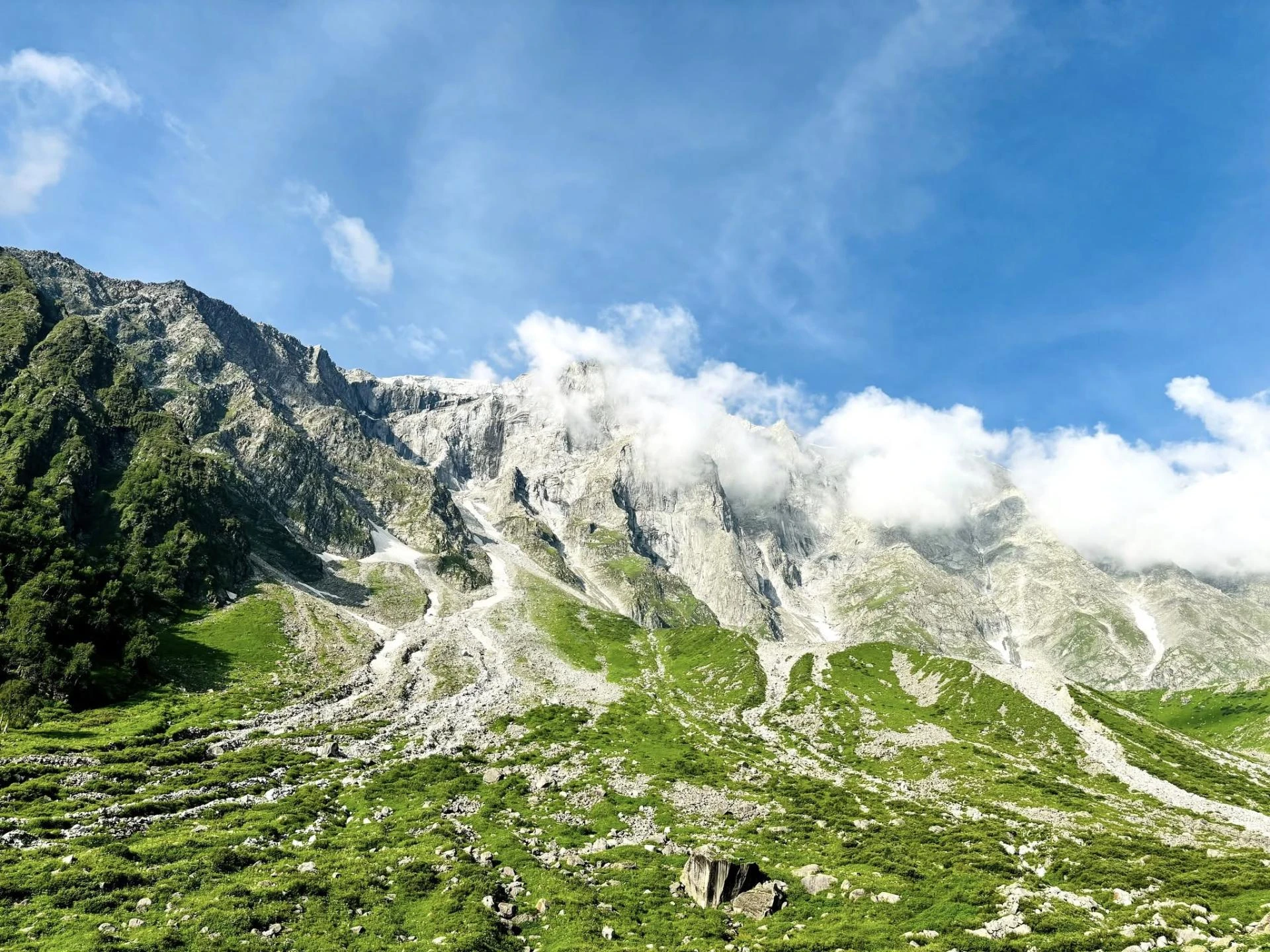
This isn’t the kind of trip where animals casually stroll past your vehicle. Instead, you’ll spend hours scanning cliffs, rocky slopes, and distant ridges, wondering if you’re staring at a pile of rocks or the most elusive big cat on the planet.
That challenge is exactly why this safari is considered one of the rarest wildlife experiences in the world.
Why Is a Snow Leopard Safari So Rare ?
For starters, there simply aren’t many snow leopards.
Scientists estimate that around 4,000 - 6,500 snow leopards remain in the wild worldwide. That’s a surprisingly small number for an animal spread across several countries and huge mountain ranges.
But the real reason sightings are rare is the space they cover. Snow leopards roam massive territories in remote alpine regions. One cat might control an area large enough to make a GPS signal nervous.
So finding one is a bit like trying to locate a single gray hoodie in a massive football stadium crowd. It’s possible, but certainly not easy.
How Hard Is It to See a Snow Leopard in the Wild ?
Short answer ? Pretty hard.
Snow leopards live in rugged mountain terrain between 10,000 and 18,000 feet above sea level. That’s higher than many towns in the Rocky Mountains.
Tracking them involves :
- Long hours scanning cliffs with spotting scopes
- Hiking to higher viewpoints
- Following signs of prey like blue sheep
- Waiting for hours and hours
Even experienced wildlife photographers sometimes spend days searching before spotting one.
But when it finally happens, the moment feels like hitting the wildlife jackpot.
Where Is the Best Place for a Snow Leopard Safari ?
Snow leopards live across several countries in Central Asia, but China holds the largest population in the world.
Some estimates suggest the country may have 2,000 - 2,500 snow leopards, making it one of the best places to search for them in the wild.
Large protected landscapes like the Tibetan Plateau provide the perfect habitat :
- Vast mountain ranges
- Remote valleys
- Healthy populations of prey species
Basically, it’s the kind of wilderness where snow leopards can disappear for days and probably enjoy the privacy.
What Happens on a Typical Snow Leopard Safari Day ?
Despite the name, this isn’t a high - speed adventure.
Most days follow a surprisingly simple routine :
- Early morning scans of mountain ridges
- Tracking prey animals like Himalayan blue sheep
- Hiking to new viewpoints for better visibility
- Spending hours using binoculars and spotting scopes
Keep in mind that there will be a lot of staring at mountains. At some point, someone usually says something like, “Is that a snow leopard ?” Unfortunately, half the time it’s just a rock.
What Other Wildlife Might You See ?
The good news is that snow leopards aren’t the only stars of the mountains.
Even if the “ghost cat” stays hidden, the region is full of fascinating wildlife. Visitors often spot animals such as :
- Wild yak
- Tibetan fox
- Himalayan marmot
- Pallas’s cat
- Himalayan vultures and golden eagles
So while everyone hopes to see a snow leopard, the surrounding ecosystem is impressive on its own.
Final Thoughts,
This isn’t the easiest wildlife trip out there. The air is thin, the mountains are huge, and there’s no guarantee you’ll actually see a snow leopard.
But that’s kind of what makes it fun.
A snow leopard safari is really about the hunt, spending days scanning massive mountain slopes and slowly learning how trackers spot things most people would totally miss.
And if a snow leopard finally shows up on a distant ridge ? Suddenly the cold, the waiting, and all that mountain staring make perfect sense.








Sign in to leave a comment.