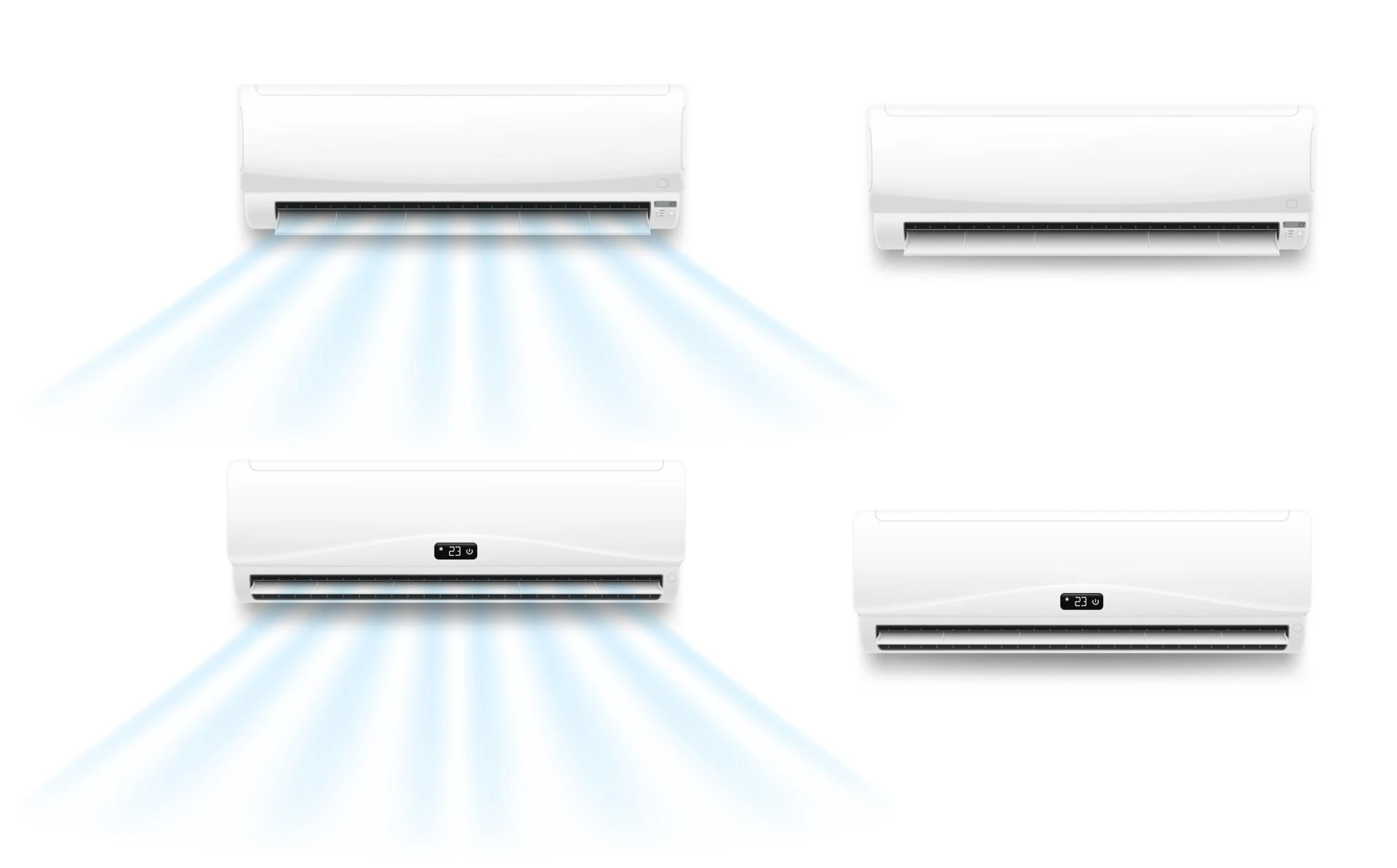

Energy efficiency has moved from being a design preference to a functional necessity across commercial, retail, and industrial buildings. With extreme outdoor temperatures dominating much of the year, cooling systems in the Emirates work under constant pressure. In this environment, air curtains in UAE are increasingly viewed not as optional accessories but as critical components of building performance and sustainability strategies.
Air curtains, once primarily associated with comfort and hygiene, are now central to conversations about operational cost reduction, HVAC optimization, and environmental responsibility. Their growing adoption reflects both economic logic and evolving building standards.
Understanding the Climate Challenge in the UAE
The UAE’s climate presents a unique operational challenge. Prolonged heat, high humidity, and frequent door usage in busy facilities create significant thermal exchange between indoor and outdoor environments. Every time a door opens, conditioned air escapes while hot air rushes in. This process forces cooling systems to compensate continuously, leading to higher energy consumption.
For buildings with heavy foot traffic such as malls, hospitals, hotels, and office towers, the impact can be substantial. Even minor inefficiencies compound quickly in large spaces. This is precisely where air curtains deliver measurable value.
How Air Curtains Improve Energy Efficiency
Air curtains function by generating a controlled stream of air across doorways. This airflow acts as an invisible barrier, separating two environments without restricting movement. Unlike physical doors or plastic strips, air curtains maintain accessibility while preserving internal temperature stability.
Reduction of Cooling Loss
One of the most direct benefits is minimizing the loss of conditioned air. When doors open, the air barrier significantly reduces the exchange of hot and cool air. This translates into less strain on air conditioning systems.
In climates like the UAE, where cooling loads represent a major portion of energy use, even small reductions can lead to notable savings. Buildings that operate long hours or experience constant door activity benefit the most.
Improved HVAC Performance
Cooling systems operate most efficiently when temperature fluctuations are minimized. Frequent heat infiltration disrupts this balance, forcing equipment to cycle more aggressively. Air curtains help stabilize interior conditions, enabling HVAC systems to run more consistently and efficiently.
Over time, this stability can contribute to reduced maintenance needs and longer equipment lifespan.
Enhanced Indoor Comfort
Energy efficiency is closely linked to occupant comfort. Drafts of hot air entering a building can create uncomfortable zones near entrances. Air curtains maintain consistent interior temperatures, ensuring a more pleasant experience for customers, staff, and visitors.
Comfort improvements often translate into indirect business benefits, particularly in retail and hospitality sectors.
Additional Functional Advantages
Beyond energy savings, air curtains address several operational concerns relevant to UAE facilities.
Dust and Sand Control
Airborne dust and sand are persistent challenges. Air curtains reduce the ingress of particles, helping maintain cleaner interiors. This is especially valuable for healthcare facilities, food service environments, and high-end retail spaces.
Cleaner interiors also reduce cleaning costs and protect sensitive equipment.
Insect Prevention
Insects thrive in warm climates. Air curtains serve as effective deterrents, supporting hygiene standards without requiring physical barriers. Restaurants, supermarkets, and medical centers frequently rely on this benefit.
Odor and Pollution Management
In mixed-use facilities or industrial environments, air curtains help contain odors and pollutants by limiting airflow between zones.
Growing Demand Across Building Types
The adoption of air curtains is no longer limited to specific sectors. Their relevance spans multiple industries.
Retail and Shopping Centers
Large entrances, frequent door usage, and customer comfort priorities make retail environments ideal candidates. Energy savings accumulate rapidly due to extended operating hours.
Hospitality Sector
Hotels prioritize guest comfort, aesthetic appeal, and operational efficiency. Air curtains preserve lobby climate conditions without obstructing elegant entryways.
Healthcare Facilities
Temperature stability, hygiene control, and dust reduction are critical. Air curtains contribute to maintaining controlled environments essential for patient safety.
Industrial and Logistics Spaces
Warehouses and loading docks benefit from thermal separation while maintaining unrestricted movement of goods.
Selecting the Right Air Curtain Solution
The effectiveness of an air curtain depends on correct specification, installation, and airflow design.
Doorway Size and Height
Air velocity and coverage must match doorway dimensions. Larger or taller openings require more powerful systems.
Environmental Conditions
External temperature differences, wind pressure, and building layout influence performance requirements.
Noise Considerations
Modern systems are designed for quieter operation, important for offices, hotels, and healthcare facilities.
Consulting experienced air curtain suppliers in UAE helps ensure optimal system selection tailored to specific building needs.
Cost Considerations and Value Perspective
Initial investment remains a key factor in purchasing decisions. Many buyers evaluate air curtain price in UAE primarily through upfront cost comparisons. However, a broader financial perspective often reveals stronger value.
Energy savings, reduced HVAC strain, lower maintenance expenses, and improved comfort collectively contribute to long-term return on investment. In high-traffic facilities, payback periods can be relatively short.
When viewed through lifecycle cost analysis rather than purchase price alone, air curtains frequently emerge as cost-effective solutions.
Alignment with Sustainability Goals
Sustainability initiatives and green building frameworks continue to gain traction across the UAE. Developers and facility managers increasingly seek technologies that reduce energy consumption without compromising design or functionality.
Air curtains align naturally with these objectives. They support energy reduction targets while enhancing occupant experience. Their integration into modern building design reflects a shift toward intelligent efficiency solutions.
Final Thought
As energy efficiency becomes a defining metric of building performance, technologies that deliver both operational and environmental benefits gain prominence. In the demanding climate of the Emirates, air curtains in UAE are transitioning from supplementary equipment to essential infrastructure. Their ability to reduce cooling loss, enhance comfort, and protect indoor environments positions them as practical investments for forward-looking buildings.











Sign in to leave a comment.