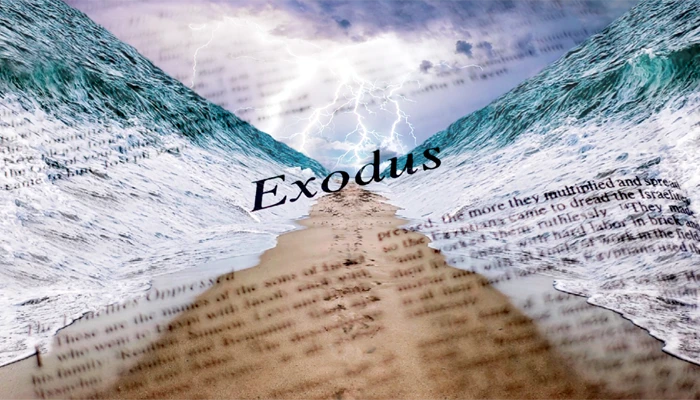

The Book of Exodus is one of the most compelling narratives in biblical literature, recounting the transformation of the Israelites from an enslaved people into a covenant community. At the heart of this transformation lies a series of miracles—events that transcend natural explanation and reveal divine involvement in human history. These miracles are not incidental embellishments; they are essential to the structure, meaning, and theological message of the Book of Exodus. They function as demonstrations of divine authority, instruments of liberation, affirmations of covenant identity, and enduring symbols of faith.
The Role of Miracles in Revealing Divine Power
Miracles in the Book of Exodus primarily serve to reveal the nature and supremacy of God. In a world where multiple deities were worshiped, especially in Egypt, these miraculous acts establish the God of Israel as sovereign over all creation.
The Plagues as a Theological Confrontation
The ten plagues are not random disasters but deliberate acts that challenge the religious and political systems of Egypt. Each plague targets aspects of Egyptian life that were associated with specific deities, thereby exposing the limitations of those gods. The Nile turning to blood, for instance, strikes at the heart of Egypt’s economy and religious identity, while the plague of darkness challenges the authority of the sun god.
Through these escalating events, the narrative emphasizes that Pharaoh’s resistance is not merely political stubbornness but a refusal to acknowledge divine authority. The miracles systematically dismantle Egypt’s power structure and demonstrate that the God of Israel governs nature itself.
The Crossing of the Red Sea
The parting of the Red Sea represents the dramatic culmination of God’s display of power. As the Israelites face imminent destruction, the sea becomes both a barrier and a means of salvation. The miraculous division of the waters allows safe passage, while their return ensures the defeat of the Egyptian army.
This event reinforces the idea that divine power is not abstract but actively engaged in the lives of the people. It also becomes a defining memory for Israel, repeatedly referenced throughout biblical tradition as the ultimate act of deliverance.
Miracles as Instruments of Liberation
Another crucial function of miracles in the Book of Exodus is their role in securing the freedom of the Israelites. These acts are not performed for spectacle but for a clear purpose: to end oppression and establish justice.
Deliverance from Bondage
The Israelites’ condition in Egypt is one of deep suffering and systemic oppression. The miracles directly confront this reality. Each plague weakens the Egyptian regime, making continued enslavement unsustainable. The process is gradual, highlighting both the persistence of divine action and the stubbornness of Pharaoh.
Liberation in this context is not achieved through human rebellion or military strength. Instead, it is portrayed as a divine initiative. Moses serves as a mediator, but the power behind the liberation is entirely attributed to God. This underscores a central message: true freedom is granted, not seized.
Formation of a Free People
The miracles do not end with the escape from Egypt. In the wilderness, additional miraculous provisions—such as manna from heaven and water from rock—sustain the Israelites. These acts ensure not only their survival but also their transition from a group of former slaves into a functioning community.
This ongoing divine provision reinforces the idea that liberation is not a single event but a continuous process. The people must learn to depend on divine guidance as they move toward their promised future.
Miracles and Covenant Identity
Miracles in the Book of Exodus also play a key role in shaping the identity of the Israelites as a covenant people. They are not just recipients of divine power but participants in a relationship defined by commitment and responsibility.
Establishing Trust in Divine Leadership
The repeated miracles build a foundation of trust between God and the Israelites. Having witnessed extraordinary acts of deliverance, the people are called to respond with faith and obedience. This trust becomes essential as they enter into a covenant at Mount Sinai.
However, the narrative also reveals the fragility of this trust. Despite witnessing miracles, the Israelites often express doubt and fear. This tension highlights a central theme: miracles can inspire faith, but they do not eliminate the need for it.
The Covenant at Sinai
The giving of the law at Mount Sinai is accompanied by dramatic signs—thunder, lightning, and a smoking mountain. These elements underscore the seriousness and sacredness of the covenant. The miracles here function differently than those in Egypt; they are not acts of judgment or liberation but manifestations of divine presence.
Through these events, the Israelites come to understand their unique role as a chosen people. The miracles serve as a reminder that their identity is rooted in a relationship with a powerful and holy God.
Miracles as Narrative and Symbolic Foundations
In addition to their immediate impact, miracles in the Book of Exodus carry lasting symbolic meaning. They shape the narrative structure and provide themes that resonate throughout the rest of the Bible.
Memory and Tradition
The events of Exodus become central to Israel’s collective memory. Festivals such as Passover commemorate the miraculous deliverance from Egypt, ensuring that each generation remembers the acts of God. These stories are retold as foundational truths that define the community’s identity.
The emphasis on remembrance highlights the enduring importance of miracles. They are not confined to the past but continue to influence belief, practice, and worldview.
Symbolism of Salvation
Many of the miracles in the Book of Exodus take on symbolic significance beyond their historical context. The crossing of the Red Sea, for example, becomes a powerful image of salvation—moving from danger to safety, from bondage to freedom. Similarly, the provision of manna symbolizes divine care and sustenance.
These symbols extend the meaning of the miracles, allowing them to speak to broader themes of redemption, faith, and dependence on God.
The Theological Significance of Miracles
Ultimately, the importance of miracles in the Book of Exodus lies in their theological implications. They reveal key aspects of God’s character and intentions.
Justice and Compassion
The miracles demonstrate a commitment to justice by confronting oppression and freeing the enslaved. At the same time, they reveal compassion, as God responds to the suffering of the Israelites and provides for their needs.
This combination of justice and compassion forms a central theme in the biblical portrayal of God. The miracles serve as concrete expressions of these attributes.
Sovereignty and Relationship
The Book of Exodus presents a God who is both sovereign and relational. The miracles affirm divine control over the natural world while also showing a deep concern for a specific people. This dual emphasis distinguishes the narrative from purely mythological accounts of divine power.
The relationship established through these miraculous acts becomes the foundation for the covenant and the ongoing story of Israel.
Conclusion
Miracles are indispensable to the meaning and message of the Book of Exodus. They reveal divine power, enable liberation, shape covenant identity, and provide enduring symbols of faith. Far from being isolated wonders, they form the backbone of the narrative and carry profound theological significance.
By examining these miraculous events, one gains a deeper understanding of the Book of Exodus as a story of transformation—one in which divine intervention reshapes history, identity, and belief. The miracles ultimately point beyond themselves, inviting reflection on the nature of power, freedom, and the relationship between the divine and humanity.











Sign in to leave a comment.