

In the dynamic business landscape of 2025, CFOs are under increasing pressure to do more with less — manage rising costs, meet complex compliance demands, drive digital transformation, and support strategic growth, all while maintaining tight financial control. As these responsibilities grow, so does the demand for smarter, more scalable solutions. That’s why CFOs are increasingly turning to offshore accounting services.
Offshore accounting isn’t just about cutting costs anymore — it’s about unlocking agility, accessing global talent, and positioning the finance function as a true strategic partner. In this article, we explore the top reasons CFOs are choosing offshore accounting services in 2025 and how it’s reshaping the future of finance.
🌍 What Are Offshore Accounting Services?
Offshore accounting services involve outsourcing accounting and financial processes to professionals based in another country, often where labor costs are lower and talent pools are deep. These services can include:
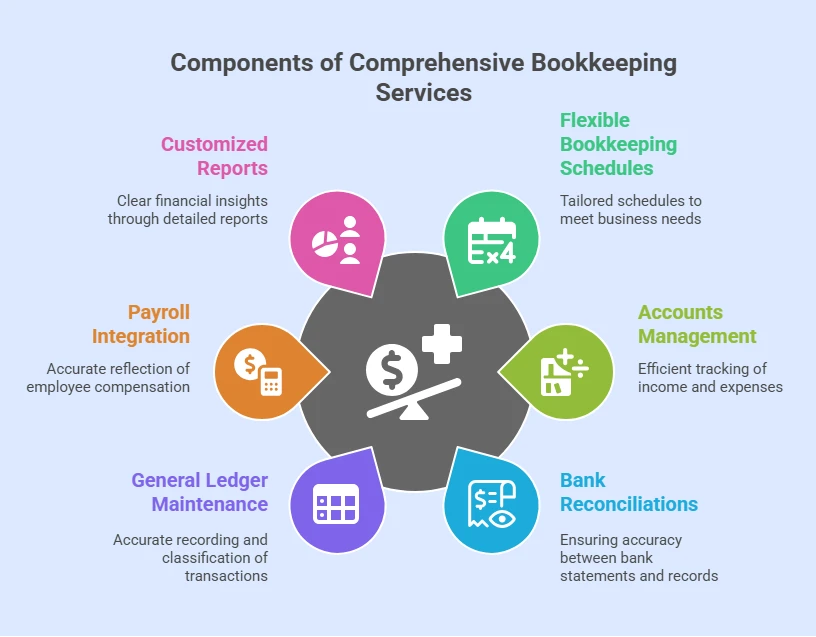
- Bookkeeping and data entry
- Financial reporting and analysis
- Tax preparation and compliance
- Payroll processing
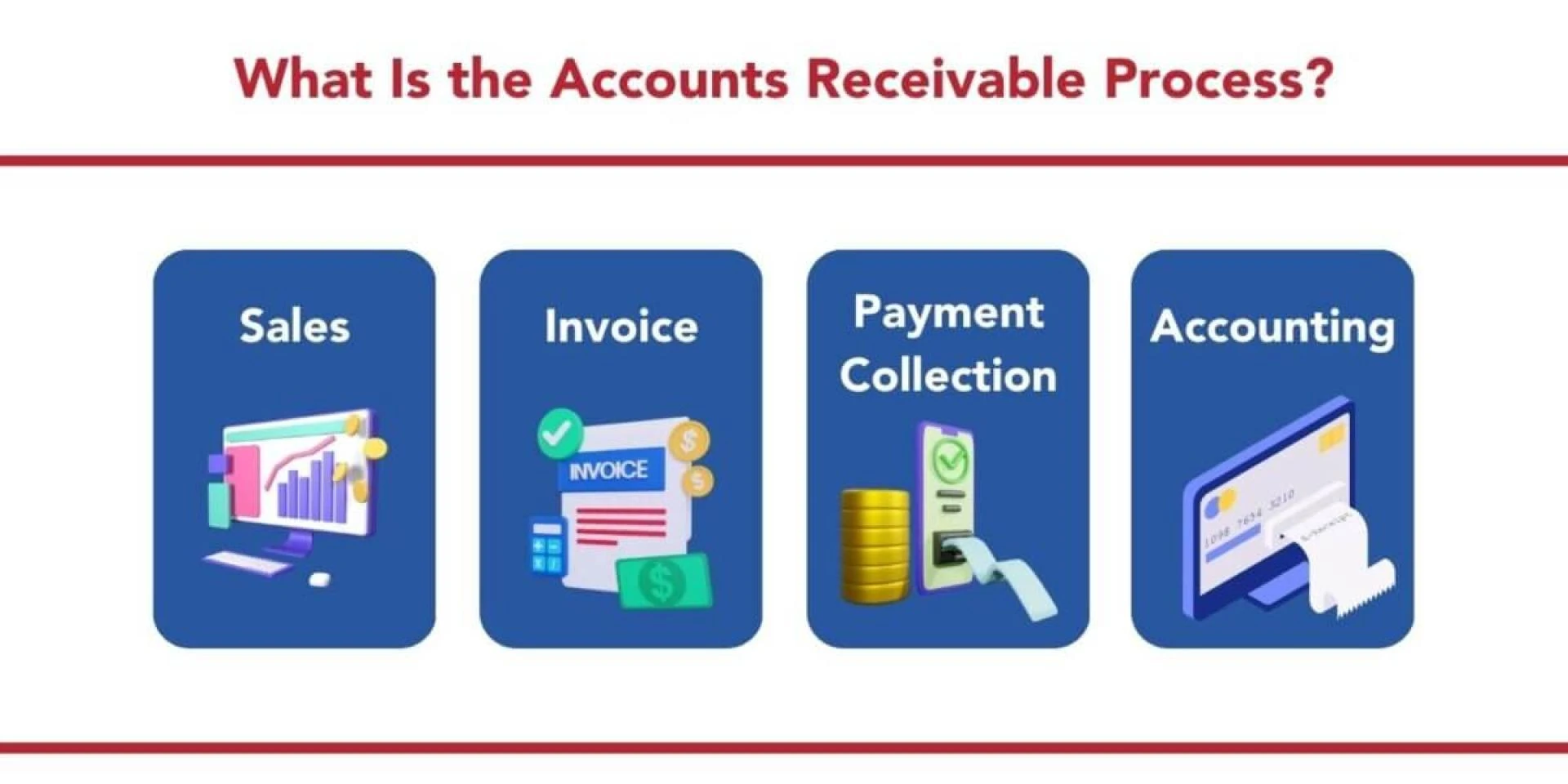
- Accounts payable and receivable
- Budgeting and forecasting
- Audit support
By leveraging cloud-based tools, real-time collaboration platforms, and automation software, offshore accounting teams operate seamlessly with internal finance departments, often becoming a virtual extension of the business.
Why CFOs Are Embracing Offshore Accounting in 2025
1. Cost Optimization Without Compromising Quality
Let’s start with the obvious: cost savings. Offshore accounting allows CFOs to reduce labor and infrastructure costs by up to 50–70% without sacrificing service quality.
In 2025, as inflation, interest rates, and global talent shortages continue to affect operating budgets, CFOs are prioritizing lean, efficient structures. Offshore partners in countries like India, the Philippines, and Eastern Europe offer high-caliber professionals at a fraction of the cost of hiring domestically.
But it’s not just about savings — it’s about reallocating resources to higher-impact areas like data analytics, financial strategy, or digital transformation.
2. Access to Specialized Global Talent
The finance function has evolved beyond bookkeeping. Today’s CFOs need experts in tax strategy, financial modeling, regulatory compliance, ERP implementation, and more.
Offshore accounting firms are no longer just transactional service providers — they employ highly qualified CPAs, CAs, and financial analysts with experience in global markets and standards like:
- IFRS (International Financial Reporting Standards)
- GAAP (Generally Accepted Accounting Principles)
- US, UK, EU, and APAC tax codes
- International payroll and labor laws
By turning to offshore partners, CFOs gain on-demand access to specialized skills — without the cost and time of local recruitment and training.
3. Scalability and Flexibility
As businesses expand, merge, or restructure, their accounting needs change rapidly. Offshore accounting services offer the flexibility to scale up or down without the burden of hiring or layoffs.
CFOs can:
- Add headcount during tax season or audits
- Launch new entities with offshore support
- Test new markets without hiring full-time local staff
- Quickly respond to changing regulations or financial needs
This agility is essential for growth in 2025, when market conditions can shift overnight.
✅ 4. Focus on Strategic Finance and Decision-Making
Today’s CFO is not just a number cruncher — they’re a key decision-maker, strategist, and change agent. Offshore accounting services take over routine, time-consuming tasks, freeing CFOs and in-house teams to focus on:
- Financial planning and analysis (FP&A)
- Strategic investments
- M&A activity
- Forecasting and scenario modeling
- Business intelligence
By offloading operational accounting, CFOs can dedicate more time to influencing business direction and improving enterprise value.
✅ 5. Enhanced Efficiency Through Automation & Technology
Top offshore accounting providers in 2025 are deeply integrated with modern financial tech stacks — including:
- Cloud-based accounting software (e.g., Xero, QuickBooks, NetSuite)
- Robotic process automation (RPA)
- AI-powered reporting tools
- Real-time dashboards and analytics
CFOs don’t just get lower costs — they get a digitally enabled finance function that’s faster, more accurate, and better aligned with organizational goals.
Offshore teams also help drive automation by identifying manual processes and offering solutions to streamline workflows.
✅ 6. Global Compliance and Risk Management
In a world of growing regulatory complexity, staying compliant across multiple jurisdictions is a full-time job. Offshore accounting services often include compliance experts who stay updated on:
- International tax changes
- Transfer pricing rules
- ESG reporting requirements
- Country-specific audit laws
- Anti-money laundering (AML) regulations
This gives CFOs peace of mind and ensures global compliance without building a costly internal team.
✅ 7. Real-Time Reporting and 24/7 Operations
Offshore teams working in different time zones allow companies to run 24/7 finance operations. Daily reconciliations, reporting, and data entry can be completed overnight, meaning the CFO starts the day with up-to-date reports and actionable insights.
This round-the-clock approach enables:
- Faster month-end and year-end closes
- Real-time cash flow visibility
- Quicker business decisions
- Better collaboration between teams in different regions
8. Improved Business Continuity and Redundancy
Post-pandemic, CFOs are placing a higher priority on business continuity planning. Offshore accounting services offer built-in redundancy — with geographically diverse teams that can maintain operations in case of local disruptions.
This setup enhances resilience and ensures that mission-critical financial tasks continue, no matter what happens at HQ.
Real-World Example
A mid-sized SaaS company in North America expanded into Europe and APAC markets in 2024. Rather than building out new accounting teams in each location, the CFO partnered with an offshore accounting firm that:
- Provided multilingual, multi-jurisdiction financial support
- Managed payroll, tax, and financial reporting for all regions
- Integrated seamlessly with the company’s ERP and BI tools
- Reduced finance overhead by 45% within 12 months
The result? The CFO had full financial visibility across global operations — while focusing on M&A, product pricing, and strategic investments.
Final Thoughts
In 2025, the role of the CFO is more strategic and digitally focused than ever. Offshore accounting services have become a key enabler of this evolution — offering cost savings, global expertise, scalability, and advanced tech integration.
Far from being a basic outsourcing solution, offshore accounting today is a strategic asset that empowers finance leaders to drive business value.
If you’re a CFO looking to scale operations, enhance efficiency, and strengthen your finance team, offshore accounting may be the smartest move you make this year.








Sign in to leave a comment.