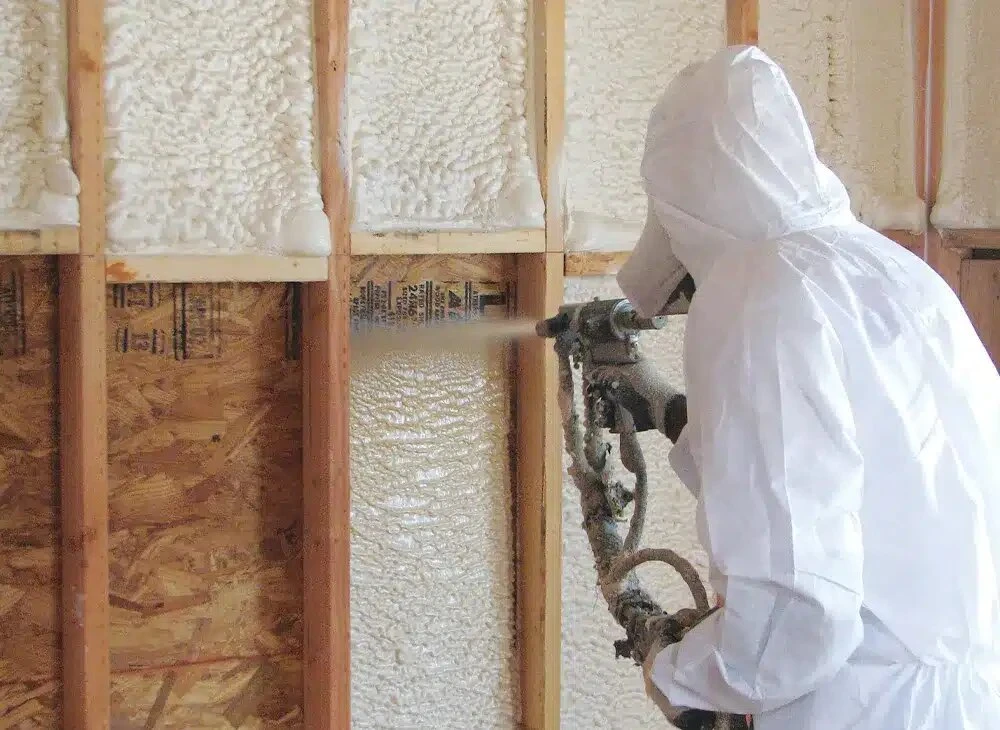

Closed-cell spray foam is perfect for the harsh, unpredictable winters in New Braunfels because it offers a unique combination of three critical defenses: an extremely high thermal resistance (R-value), an impenetrable air and moisture barrier, and added structural strength. While most people focus on the Texas heat, recent winters have shown that homes need to be prepared for sudden, deep freezes. This is why closed-cell spray foam in New Braunfels has become a top choice for homeowners. It directly addresses cold-weather challenges by stopping icy drafts, preventing moisture issues like frozen pipes, and reinforcing the home against wind and ice loads.
Unlike other insulation types that primarily slow heat loss, closed-cell foam creates a solid, rigid, and airtight seal. This article will explain how these specific properties make it an ideal year-round solution, providing superior protection during those severe but brief winter events. The information is based on the practical experience of insulation professionals who have seen firsthand how different materials perform when the temperature plummets in Central Texas.
The Three Layers of Winter Defense
The effectiveness of closed-cell spray foam in a cold snap comes from the way its core attributes work together. It’s not just an insulator; it’s a complete barrier for your home’s structure.
1. Superior Thermal Resistance
The primary job of any insulation is to resist the flow of heat. This is measured in R-value, and the higher the number, the better the insulation. Closed-cell spray foam has one of the highest R-values per inch of any commercially available insulation, typically ranging from R-6 to R-7.
This high density means that even a few inches of closed-cell foam can provide exceptional thermal protection, keeping the warm air generated by your furnace inside and the bitter cold outside. In contrast, fiberglass batts offer around R-3.5 per inch and can leave gaps. During a sudden freeze, this superior thermal performance means your heating system doesn't have to run constantly to maintain a comfortable temperature, saving energy and reducing wear and tear.
2. An Unbeatable Air and Moisture Seal
A Texas winter storm often brings more than just cold; it brings wind and freezing rain. This is where closed-cell foam truly shines.
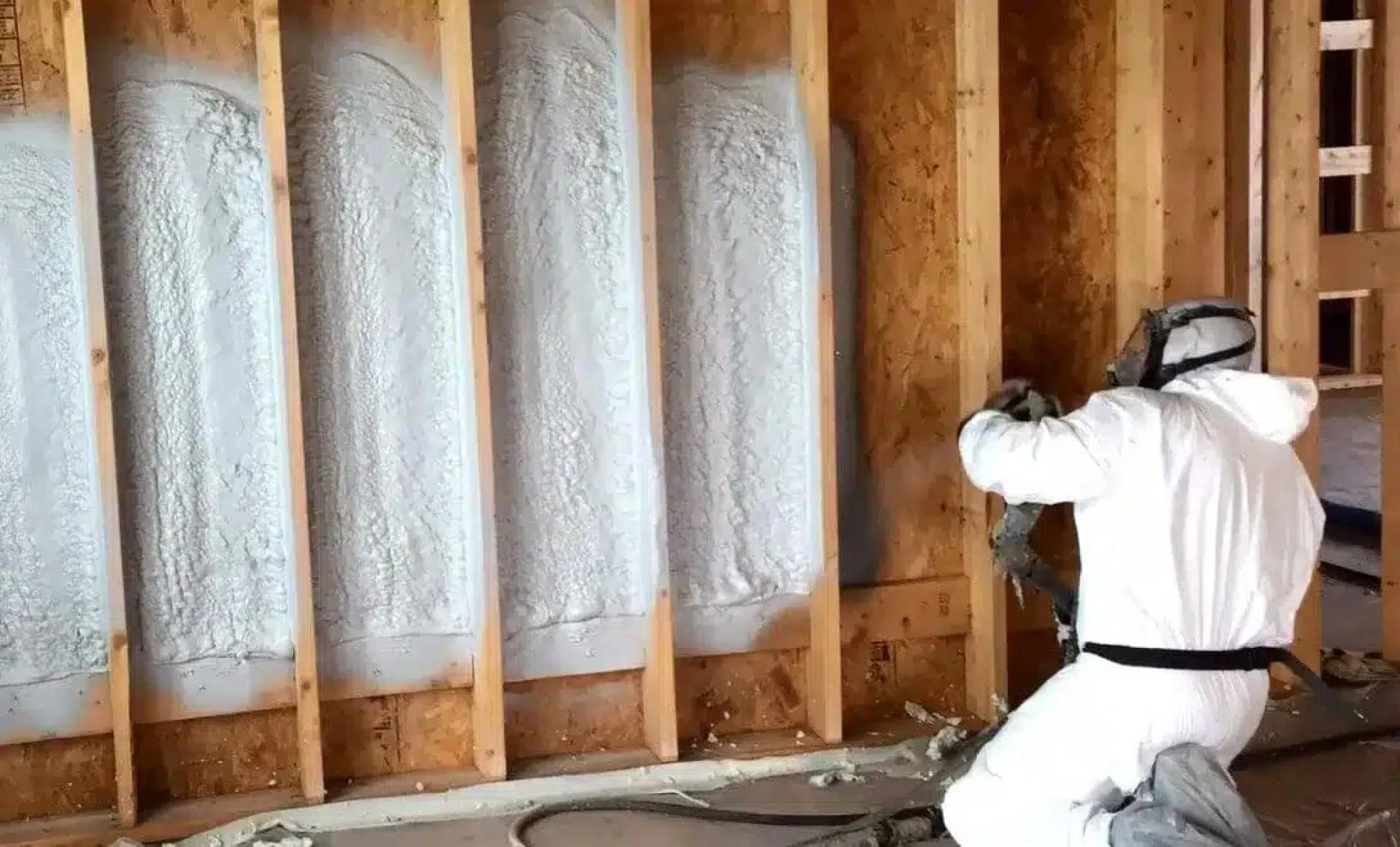
- Air Barrier: The foam expands and adheres to surfaces, filling every crack and seam. This completely stops cold air drafts from penetrating your home. Air leakage can account for a significant portion of a home's heating costs, and closed-cell foam eliminates it at the source.
- Moisture Barrier: Its dense, closed-cell structure makes it waterproof. This is incredibly important in a humid climate like New Braunfels. During a freeze, this property helps prevent condensation from forming inside wall cavities as warm, moist indoor air meets a cold exterior wall. It also protects the structure from wind-driven rain and ice melt.
Bonus Tip: Applying closed-cell spray foam to the foundation walls and rim joists of a pier and beam home is one of the most effective ways to prevent frozen pipes and eliminate cold floors.
3. Added Structural Integrity
The rigid nature of cured closed-cell foam is a significant but often overlooked benefit. When applied in wall cavities or to the underside of a roof deck, it acts like a high-strength adhesive, binding the studs and sheathing together. This can increase a wall's racking strength by up to 300%. During a winter storm that brings heavy ice and high winds, this added rigidity can make a home more resilient and less prone to damage.
Where Closed-Cell Foam Makes the Biggest Impact
For winter preparedness in a New Braunfels home, targeting specific areas with closed-cell foam yields the best results.
Crawl Spaces and Foundations
Many homes in the Hill Country are built on pier and beam foundations, leaving a crawl space exposed to the elements. This is a primary entry point for cold air and a major risk for frozen plumbing. Spraying the underside of the floor and the foundation walls with closed-cell foam:
- Completely seals off cold air drafts.
- Insulates the pipes, protecting them from freezing.
- Blocks ground moisture, preventing musty odors and mold growth year-round.
Exterior Walls and Rim Joists
The rim joist, the wooden perimeter that rests on top of the foundation, is a notorious spot for air leakage. Sealing and insulating this area with closed-cell foam is a high-impact upgrade that stops a huge amount of cold air from entering the home at its base. When used in exterior walls, it creates a continuous thermal, air, and moisture barrier.
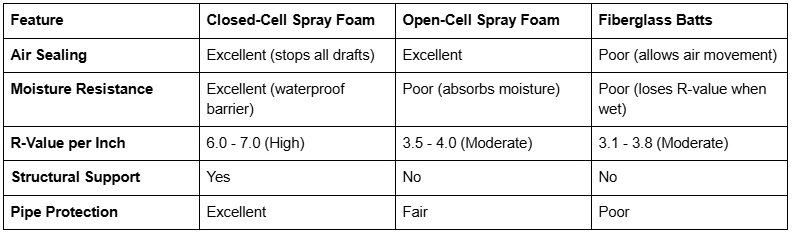
Winter Performance of Different Insulation Types
The demands of a sudden freeze are different from those of a long, hot summer. Here’s how common insulation materials stack up specifically for winter conditions.
Things to Consider Before Making a Decision
Choosing closed-cell spray foam is a significant upgrade, and there are a few important points for homeowners to consider.
The Year-Round Investment
Closed-cell foam has a higher upfront cost than other insulation types. However, its benefits aren't limited to winter. The same properties that make it great for cold snaps make it exceptional for handling the intense summer heat and humidity of New Braunfels. The investment provides year-round energy savings on both heating and cooling, along with the added protection against moisture and storms.
The Need for Professional Installation
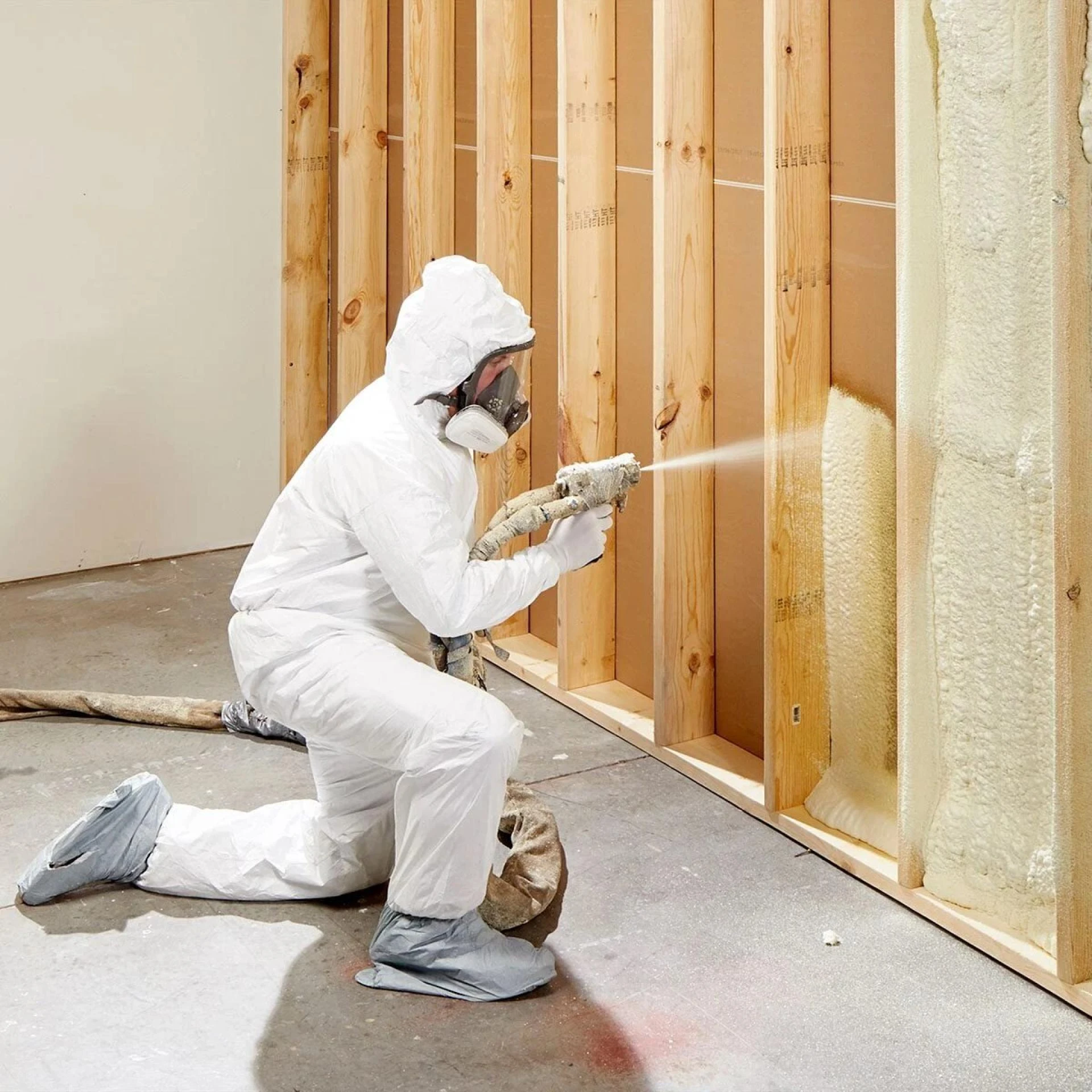
This is not a DIY project. The application of closed-cell spray foam requires specialized equipment and certified technicians who understand the chemical process. An improper installation can result in poor performance and safety concerns. Always choose a reputable contractor with proven experience and proper insurance.
Bonus Tip: A professional installer will ensure the area is properly ventilated during application and will advise you on the necessary 24-hour curing time before you can re-enter the space.
Questions People Ask About Winter Insulation
Will closed-cell foam really stop my pipes from freezing?
When applied correctly to crawl space walls and the underside of a floor, closed-cell foam is extremely effective at protecting pipes. By sealing the crawl space from the cold outside air and insulating the floor, it keeps the ambient temperature around the pipes well above freezing.
Is closed-cell foam better than open-cell foam for winter?
For the specific challenges of a harsh winter with moisture and high winds, yes. While open-cell foam is an excellent air barrier and soundproofer, it is not a moisture barrier and does not add structural strength. The dense, waterproof nature of closed-cell foam gives it the edge for winter resilience.
Does it still work just as well for the summer heat?
Absolutely. The high R-value and air-sealing properties that keep cold out in the winter are just as effective at keeping heat out in the summer. It is a true year-round insulation solution.
How thick does the foam need to be?
The required thickness depends on the application area and local building codes. For exterior walls, 2-3 inches is common. For roofs or floors, it might be more. A professional will calculate the right thickness to achieve the desired R-value and create a proper moisture barrier.
Can spray foam be installed in the winter?
Yes, but there are temperature limitations. Professional spray foam rigs have heaters to keep the chemical components at the correct temperature for application, even on cold days. However, there is a limit, and an experienced contractor will schedule the work for a day with suitable conditions.
A Resilient Solution for an Unpredictable Climate
While New Braunfels is known for its summer recreation, recent history has taught residents not to underestimate winter. Closed-cell spray foam offers a level of protection that goes beyond simple insulation. It creates a stronger, more airtight, and more moisture-resistant home that is prepared for whatever the unpredictable Texas weather brings. It’s an investment in both year-round comfort and peace of mind.
Getting Expert Advice for Your Home
To determine if closed-cell spray foam is the right solution for your home's specific needs, it's best to consult with experts who understand the local climate. The team at Stellrr Insulation & Spray Foam can provide a thorough home evaluation to identify areas vulnerable to both winter cold and summer heat. For a detailed consultation, they can be reached at (512) 710-2839 or by email at [email protected].
Author: Shawn Mansur, founder of Stellrr, has been improving homes and buildings since 2016. He believes in fixing problems the right way, with lasting solutions, not temporary fixes.
Reviewer: Sophia White has 8 years of experience in spray foam insulation. She reviewed this post and gave clear guidance on aligning business messaging with what customers actually care about.










Sign in to leave a comment.